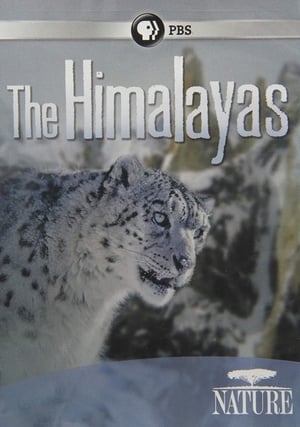
The highest mountain range in the world, the Himalayan range is far reaching, spanning thousands of miles, and holds within it an exceptionally diverse ecology. Coniferous and subtropical forests, wetlands, and montane grasslands are as much a part of this world as the inhospitable, frozen mountaintops that tower above. The word Himalaya is Sanskrit for abode of snow, fitting for a stretch of land that houses the world’s largest non polar ice masses. Extensive glacial networks feed Asia's major rivers including the Ganges, Indus, and Brahmaputra. More than a billion people rely on these glacier-fed water sources for drinking water and agriculture. The Himalayas are not only a remarkable expanse of natural beauty. They're also crucial for our survival.
Some of the world's most majestic birds display delightfully captivating mating rituals, from flashy dancing to flaunting their colorful feathers.
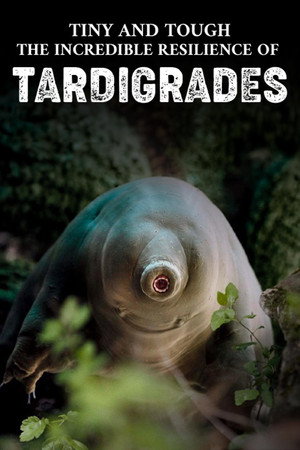
Tardigrades, also known as water bears, are microscopic animals famous for their incredible ability to survive extreme conditions. Despite their funny appearance and slow, bear-like movements, they are among the most resilient creatures on Earth. They can withstand extremely high and low temperatures, enormous pressure, toxic substances, and even high levels of radiation. This documentary explores the secrets behind their remarkable survival abilities and explains how these tiny creatures have developed such extraordinary “superpowers.” Combining scientific information with humor, the documentary also looks at what we might learn from tardigrades and how their unique abilities could have potential applications in the future.
In the middle of the Indian Ocean, more than 1.500 km from the nearest continent, lies an untouched, mysterious archipelago – the Chagos Islands. This group of 60 islands is one of the last pristine wildernesses on Earth. The Chagos Archipelago is one of the world’s largest marine national parks, and is strictly protected. A scientific expedition has been granted access to this politically disputed territory for the first time. In times of climate change, as global reef communities face a growing crisis, the researchers seek to show how coral reefs fare in places with minimal human interference. During a journey into the unknown, we follow in the footsteps of internationally renowned scientists, who aim to unlock the secrets of a lost world and gain astonishing insights into one of the last true wildernesses on Earth.
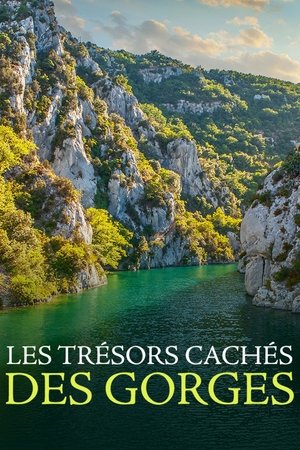
Les Trésors cachés des gorges
A shadow puppet film inspired by the story of an extinct Hawaiian tree snail (pūpū kani oe) named Lonely George.
In the lush fields of northern Belgium, as winter tightens its grip, the sheep of Eddy, Jeroen, and Johny become silent witnesses of a hidden drama when a wolf is driven to the edges of human lands in search of sustenance. With the three human protagonists doing anything within their power to patronize their rights of existence, this film stands up for the least heard voice in Belgium’s brand new wolf territory: that of the bleating sheep.
The Alps – wild mountains, extreme lives, but also a magical world. This majestic mountain range connects eight countries and reaches heights of up to 4,000 metres above sea level. At a length of 1,200 kilometres, the Alps form both a connecting bridge between western and eastern Europe and a high barrier between southern and central Europe. The mountains act as a mighty water reservoir and continental watershed, feeding innumerable rivers that flow into three different oceans. Their highest peak, Mont Blanc, is surrounded by long, soaring mountains with ice-covered slopes. These great summits are just one reason the so-called “Roof of Europe” continues to fascinate – across the continent and around the world. The incredible diversity of landscapes, flora and fauna makes the Alps a unique natural treasure at the heart of Europe.
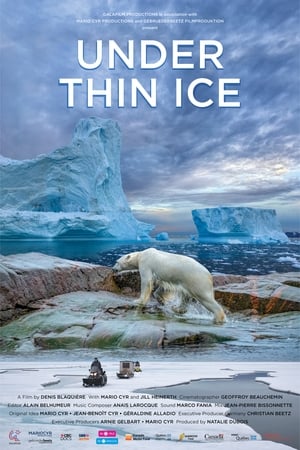
Two Canadian experts in underwater filming, Mario Cyr and Jill Heinerth, join forces for the first time to record how Arctic wildlife is adapting to the dramatic effects of climate change.
Two filmmakers journey to Arizona's Sonoran Desert to find bufo alvarus, a psychedelic toad. TOAD TO NOWHERE is a documentary about healing, hallucinogens, and looking within to explore the unknown.
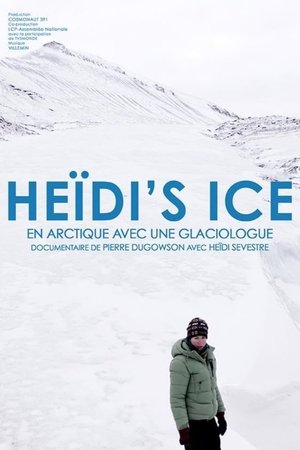
Heïdi's Ice
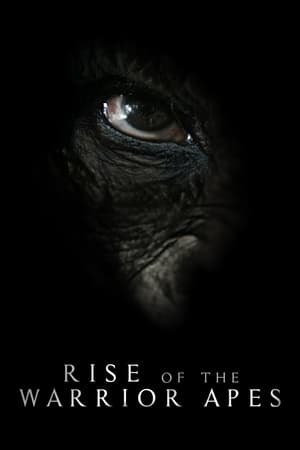
Filmed over 23 years, Rise of the Warrior Apes tells the epic story of an extraordinary troop of chimpanzees in Ngogo, Uganda – featuring four mighty warriors who rule through moral ambiguity, questionable politics, strategic alliances and destroyed trust.
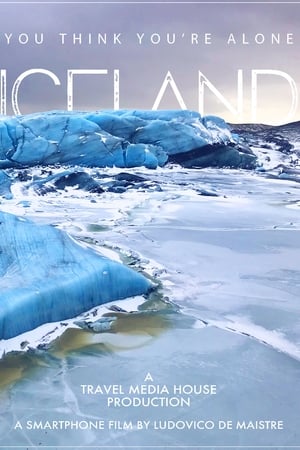
Iceland is one of the wildest places on earth. You could be caught up in the midst of snowstorms and blizzards, but you are never alone... Although tourists from all over the world have started a silent invasion, nature keeps on winning.
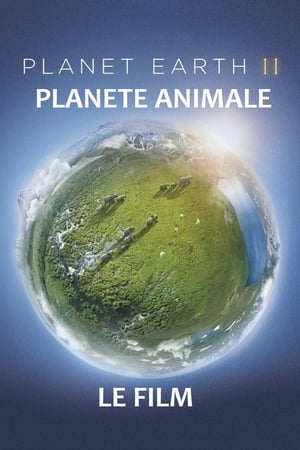
Planète animale 2 : Survivre
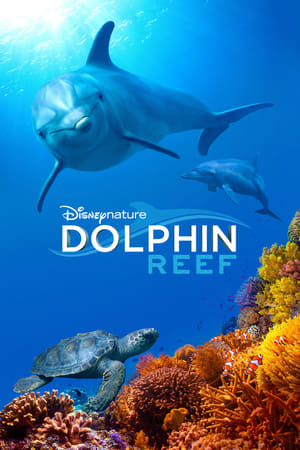
Echo is a youngster who can't quite decide if it's time to grow up and take on new responsibilities-or give in to her silly side and just have fun. Dolphin society is tricky, and the coral reef that Echo and his family call home depends on all of its inhabitants to keep it healthy. But Echo has a tough time resisting the many adventures the ocean has to offer.
Women have always sought ways to terminate unwanted pregnancies, despite powerful patriarchal structures and systems working against them. This film provides a historical overview of how church, state and the medical establishment have determined policies concerning abortion. From this cross-cultural survey--filmed in Ireland, Japan, Thailand, Peru, Colombia, and Canada--emerges one reality: only a small percentage of the world's women has access to safe, legal operations.
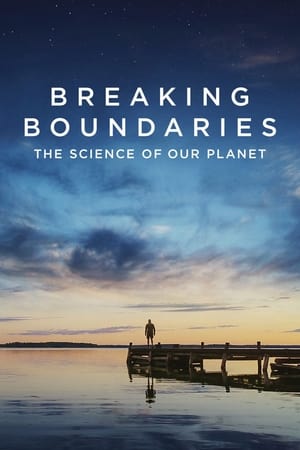
David Attenborough and scientist Johan Rockström examine Earth's biodiversity collapse and how this crisis can still be averted.
“Let nature be nature” is the philosophy of the Bavarian Forest National Park. Despite massive resistance, this vision has become a groundbreaking showcase project. Because humans do not interfere with nature, the former commercial forests grow into a primeval forest, a unique ecosystem and a refuge for biodiversity. People from all over the world come here. They are looking for answers to the question of why we need more wild nature and what we can learn from it to preserve forests for future generations in times of climate change.
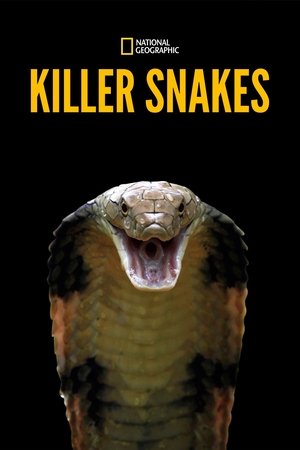
Packed with a potent neurotoxic venom, one family of snakes kill more people than any other on earth. Scientists around the world race to uncover how.
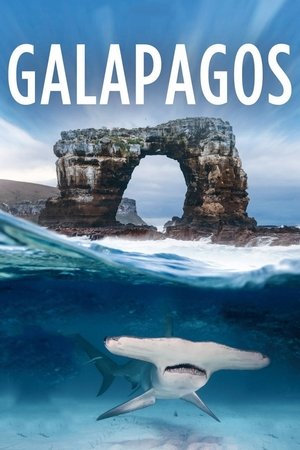
Galapagos