A flat broke aging boxer, living on the verge of existence, teams up with the equally desperate people in the city's suburbia to steal, cheat, and even kill for the money.
A solitary nurse bonds with a badly burned patient who survived an accident on an oil rig.
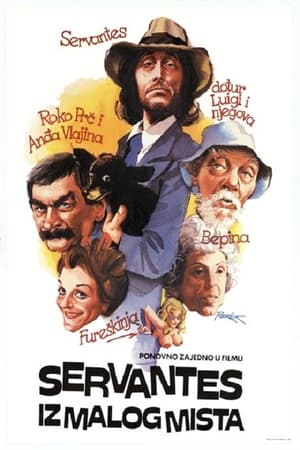
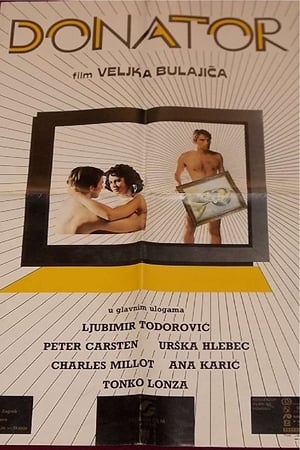
'Malo Misto' lives its own life, but not far behind the times. Hotel manager Roko Prč strives to organise tourism, so he introduces the first nudist beach. His wife Anđa brings two of her cousins from the Dalmatian hinterland and demands Roko to hire them. One of them, a young man named Ikan, earns the attention of a beautiful Swedish tourist. From Chile to Malo Misto returned Tonči, nicknamed Servantes, of course, without any money. He fell on the back of his hardworking aunt Keka, who even without him has enough problems of her own. Servantes also experiences an unexpected romance.
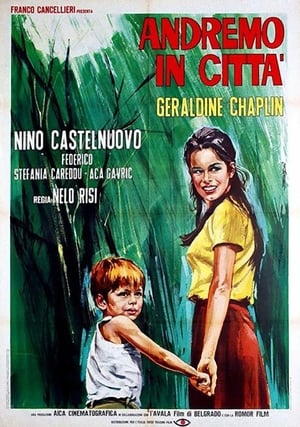
"Andremo in città" (We'll Go to the City) is a 1966 Italian drama film directed by Nelo Risi. It is based on the novel of the same name by Edith Bruck, Risi's wife. Bruck, a Hungarian concentration camp-survivor, settled in Italy after the Second World War and wrote about her experiences in autobiographical and fictional formats.[1] The film stars Geraldine Chaplin and Nino Castelnuovo.
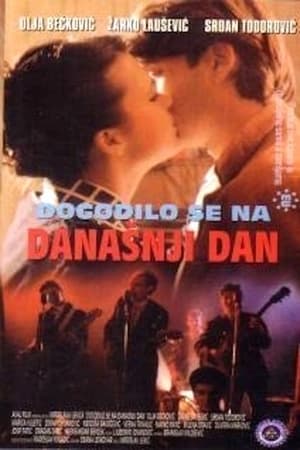
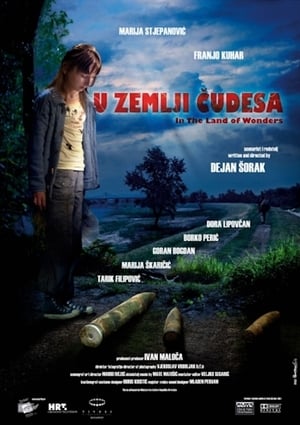
The story of a young man who, in 1991. receives order to report to a military drill, and finds himself on Vukovar front, where he spends five months. Returning from there, he discovers changes within himself, but within his home town also. Totally lost, he finds no way to make contact with the environment, and suddenly experiences love with the girl who survived all horrors of that war...
Trials and tribulations of a Croatian communist intellectual in the turbulent years before, during and after the Second World War.
In the 1980s, a boy named Hajduk moves with his family from a small village to the capitol of Yugoslavia, where he's going to start spreading his way of honor and true values.
A journalist investigates the smuggling of gypsy children on the black market and tries to save a young boy.
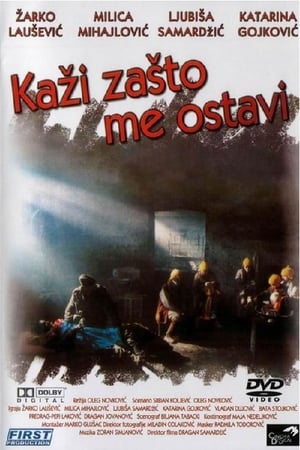
In the opening stages of the Bosnian War, a small group of Serbian soldiers are trapped in a tunnel by a Muslim force.
One Rolls-Royce belongs to three vastly different owners, starting with Lord Charles, who buys the car for his wife as an anniversary present. The next owner is Paolo Maltese, a mafioso who purchases the car during a trip to Italy and leaves it with his girlfriend while he returns to Chicago. Finally, the car is owned by American widow Gerda, who joins the Yugoslavian resistance against the invading Nazis.
What does the energy harnessed through orgasm have to do with the state of communist Yugoslavia circa 1971? Only counterculture filmmaker extraordinaire Dušan Makavejev has the answers (or the questions). His surreal documentary-fiction collision begins as an investigation into the life and work of controversial psychologist and philosopher Wilhelm Reich and then explodes into a free-form narrative of a beautiful young Slavic girl’s sexual liberation.
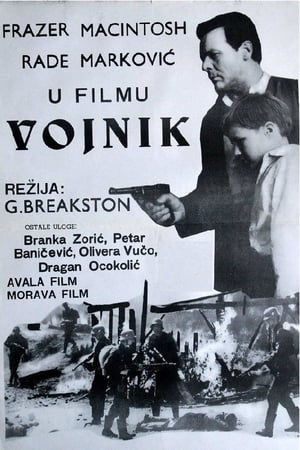
A story of a boy, forced to grow mature before his time and to die too early because of the cruel war circumstances. This film is dedicated to all the children who have died during the National Liberation War.
Hannah Maynard, a prosecutor of Hague's Tribunal for war crimes in former Yugoslavia, charges a Serbian commander for killing Bosniaks. However, her main witness might be lying, so the court sends a team to Bosnia to investigate.
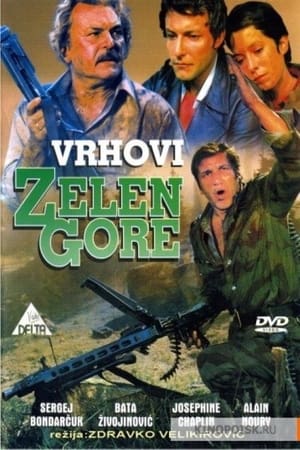
During the Battle of Sutjeska, partisan troops must endure 24 hours of big and heavy attacks on German units Ljubino grave, to the main Partisan units, with the wounded and the Supreme Headquarters, pulled out the ring that is tightened around them.
A frustrated and unemployed architect experiences flashbacks of his youth and 1968 protests while the life passes by. Unable to adapt and to accept the reality, he’s constantly getting into conflicts with the people around him.
World War II, 1943. Mallory and Miller, the heroes who destroyed the guns of Navarone, are sent to Yugoslavia in search of a ghost from the past.
A French woman falls in love with a Yugoslavian man, not realizing that he is an illegal immigrant.
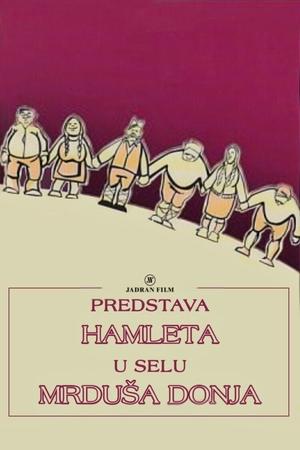
A corrupt village commissar insists on mounting a production of Hamlet. The clever local teacher, however, casts the son of a man framed for theft as Hamlet, and the commissar as the usurping king, leading to a climax of truly Shakespearean proportions.
They meet in Yugoslavia. Katharina, daughter of a Yugoslavian immigrant worker, has grown up in the Federal Republic of Germany. She is a confident, energetic career woman who has managed to work her way up to become a successful television journalist. She goes to visit her parent's country, to do a story about the children of immigrant workers in their home country. Although she says she doesn´t need a "home" any more, even she feels strange in her own country. Peter is a rather "untypical" sort of man: a dreamer, a thinker. He has given up his steady job as a composer for advertising films and is divorced. He goes to Jugoslavia to find something out about the past. He travels to the places where his father was stationed during the Second World War.
Belgrade in 1963. In a yard surrounded by buildings, a group of young people of different backgrounds and social status, but of similar views about love and self-affirmation, spend their time together. Their friendship is dyed with various events typical for socialism, such as working actions or Youth Day's parade. All what happens within this yard may become an allegory of one generation's destiny.