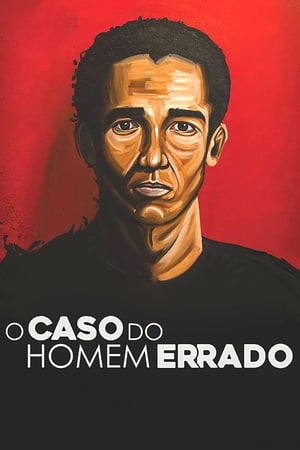
The documentary tells the story of Júlio César, a young Afro-Brazilian who was executed by the Police in the 1980s in Porto Alegre. The crime became notorious when the press published photos of Julius being put alive in the police car and arriving 37 minutes later shot and dead at the hospital.
69, année pandémique
The Garbage Pail Kids are 30 years old. Celebrate their gross-out greatness with artist interviews, superfan collections, and more.
Documentary about Bob and Kathy Burns, the goodwill ambassadors of science fiction film fandom.
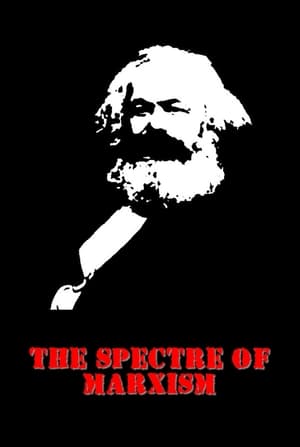
The impact of Marx on the 20th century has been all-pervasive and world-wide. This program looks at the man, at the roots of his philosophy, at the causes and explanations of his philosophical development, and at its most direct outcome: the failed Soviet Union.
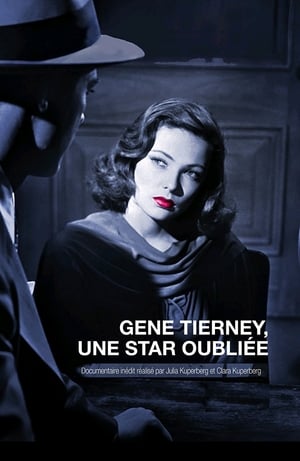
Martin Scorsese is among those paying tribute to Gene Tierney, the Academy Award-nominated American actress who was a leading lady in Hollywood throughout the 1940s and '50s.
Tenkrát 2 – Šance pro Slovensko
Tenkrát
An analysis of the impact on the United States Latino community of immigration policies promoted by President Donald Trump.
More than 2.000 years ago, Narbonne in today's Département Aude was the capital of a huge Roman province in Southern Gaul - Gallia Narbonensis. It was the second most important Roman port in the western Mediterranean and the town was one of the most important commercial hubs between the colonies and the Roman Empire, thus the town could boast a size rivaling that of the city that had established it: Rome itself. Paradoxically, the town that distinguished itself for its impressive architecture, today shows no more signs of it: neither temples, arenas, nor theaters. Far less significant Roman towns like Nîmes or Arles are full of ancient sites. Narbonne today is a tranquil town in Occitania
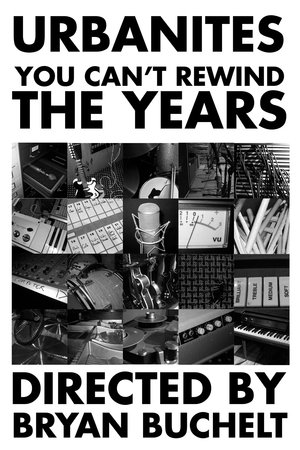
When you listen to The Years, the debut studio recording from Urbanites, you're hearing a band in progress. They wanted to make The Years differently, and decided to record the album together, live, in the same space - Studio A of Electrical Audio in Chicago, Illinois. With the exception of limited overdubs, (vocals, drum ensembles and laptop atmospherics) each song represented one collective take, warmly captured to two inch analogue tape. This recording method embraced the mistake as much as the moment. They also chose to document the making of the record with a film, appropriately titled, 'You Can't Rewind The Years'. With a new understanding and years of progress to come, these longtime friends are making the music that they'd always hoped to. As they sing, in The Years' standout track Restless, "Not without trial, not without err - this brokenness is ours to share."
Short costume picture on the infamous Roman Emperor.
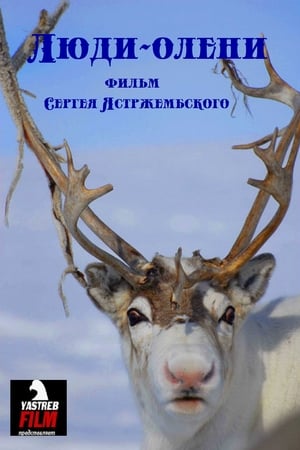
The Chukchi reindeer breeders are peculiar people. They are nomads. Reindeers are their welfare, the purport of life. The mother-reindeer is the main divine being; it protects the Chukchi from misfortune and troubles. Nature is not friendly towards people here. Only Chukchi can survive in Tundra. A rush period for the Chukchi reindeer breeders comes in winter, when the temperature rises up to 50 degrees Celsius at night and in the sunlight of the day it doesn't exceed 40 degrees Celsius in tundra: they should separate young deers from the rest of the herd, the weak from the strong. And this, considering that the herds of the Chukchi reindeer breeders number some thousand heads...
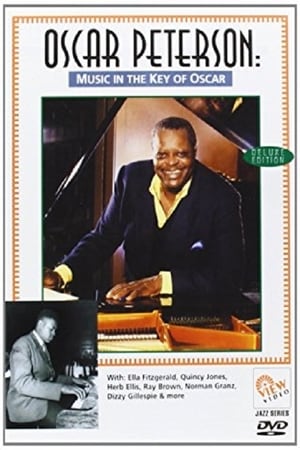
This riveting music documentary traces the history of Jazz piano legend Oscar Peterson, from his early days as Montreal's teenage Boogie-Woogie sensation through his meteoric rise to international celebrity with Norman Granz and the ground-breaking Jazz at the Philharmonic and beyond. In this award-winning autobiographical portrait, legendary jazz pianist Oscar Peterson narrates his story, from his beginnings in smoke-filled Montreal clubs to hallmark performances with jazz greats. Concert footage includes an unforgettable combo -- Nat King Cole with Jazz at the Philharmonic and the Oscar Peterson Trio Wall reunion. Quincy Jones, Ella Fitzgerald and Dizzy Gillespie are interviewed, among others.
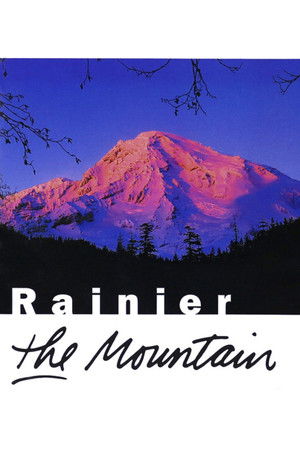
In this retrospective tribute, acclaimed filmmaker Jean Walkinshaw hails the 100th anniversary of Mount Rainier National Park in Washington by talking to those who know it best: the scientists, naturalists, mountain climbers and artists whose lives have been touched by the peak's far-reaching shadow. The result is a harmonious blend of archival material and high-definition footage celebrating an icon of the Pacific Northwest.
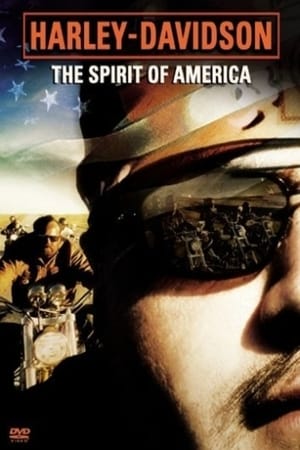
Hop on a Harley for this tour of the nation's highways and byways with other motorcycle enthusiasts by your side. This documentary examines the cult of Harley-Davidson and its followers, who traverse America free and unencumbered on their beloved "hogs." Viewers will make a side trip to South Dakota for the Sturgis Motorcycle Rally; celebrate Harley's 100th anniversary in Wisconsin; join the 9/11 Patriot Ride and the Love Ride; and more.
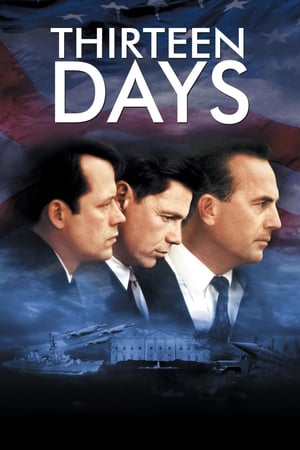
The story of the Cuban Missile Crisis in 1962—the nuclear standoff with the USSR sparked by the discovery by the Americans of missile bases established on the Soviet-allied island of Cuba.
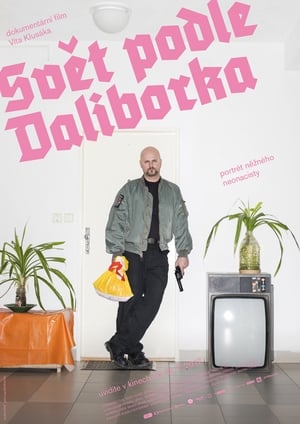
Dalibor K. is an industrial painter, amateur horror maker, the composer of angry songs, painter and a radical neo-Nazi. He is approaching 40, but he is still living with his mother Vera, Aged 63, and is yet to experience the real relationship with a woman. He hates his job, gypsies, Jews, refugees, homosexuals, Merkel, spiders and dentists. He hates his life, but he doesn’t know how to change it.
The Underground subcultures in Budapest are an integral part of the diverse and colorful Hungarian culture. The creators of the film - Esther Turan and Anna Koltay - wanted to explore what were the major youth music subcultures in the '90s and 2000s in Budapest. This film is a tribute to the underground subcultures of the city. In these series of films, these grass-roots groups deal with the social impact of their community building power and the role played by Budapest itself in the formation of these groups. The film explores the kind of atmosphere and unwritten rules, what were the dominant places, external signs, and symbols, or who were the central figures and what were the memorable stories. The film guides the viewer from the best bands to the message, from the typical attire to the cult bars. The new generation is a starting point, a complex retrospective of where it originated and why the colorful underground cultural life still characterizes Budapest today.
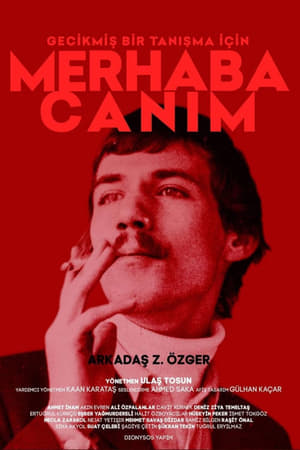
The documentary is titled after Arkadaş Z. Özger’s poem “Hello My Dear” which had caused much controversy in the period it was first published. Considered to be in defiance of heteronormativity, the said poem includes references to the poet’s personality, his family, his relationship to the society, and his “unexpected” death, which came three years after its publication. Today, 50 years after it was written, the documentary follows these same lines in the poem utilising cinematic elements. The documentary also rediscovers the poetics; reaches out to the family, the comrades, the friendships, departing from the official historical accounts, cognizant of his experience of otherness, in pursuit of the “lost” portrait of Arkadaş Z. Özger.