Fields of France, during the First World War. A group of young soldiers, united by the indiscriminate brutality of battle, fights to maintain their humanity in an endless cycle of combat and death.
Les Sylphides is a short, non-narrative ballet blanc to piano music by Frédéric Chopin, selected and orchestrated by Alexander Glazunov.
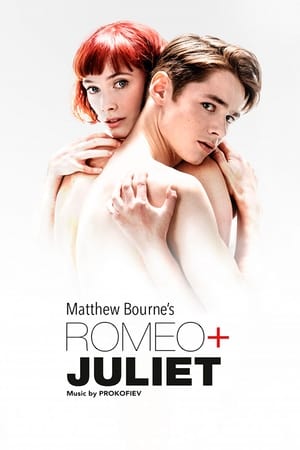
This thrilling, audacious, and witty production is perhaps still best known for replacing the female corps-de-ballet with a menacing male ensemble, which shattered convention, turned tradition upside down and took the dance world by storm. Filmed Live at Sadler's Wells.
The classic Mariinsky (Kirov) production of the greatest of all ballets. Filmed in the imperial splendor of the Mariinsky Theatre, St Petersburg. Starring Ulyana Lopatkina, Danila Korsuntsev and the breathtaking Mariinsky corps de ballet. Conducted by the great Russian maestro Valery Gergiev.
Inspired by the nationally popular video game series, the Tokyo-based ballet company Star Dancers Ballet's Ballet Dragon Quest was first produced in 1995. It was the first show that combined ballet with the video game. Ever since the ballet has been enthusiastically welcomed by not only ballet-lovers but also those who would otherwise never see a ballet, including Dragon Quest fans. It has been highly regarded as a unique and exceptional entertainment-ballet that successfully broadens the border of ballet. For the first time, this performance has been captured on video.
The peasant girl Giselle discovers the true identity of her lover Albrecht – and that he is promised to another. This is one of The Royal Ballet’s most loved and admired productions, faithful to the spirit of the 1841 original yet always fresh at each revival. This performance features former Bolshoi star and now Royal Ballet Principal Natalia Osipova in a breath-taking interpretation of the title role.
The film traces Sam McKinlay’s early days as a punk skateboarder through his academic development as a conceptual artist into a highly esteemed noise practitioner whose work bridges the gap between the gallery world and the sleaze of exploitation film imagery. It documents the physical processes of his work and the distillation of visuals into sound, most notably addressing the appeal of abstraction—from the cheap effects of old monster movie makeup to the ‘masks’ created by the heavy cosmetic makeup of 1920s flapper culture and actresses like Pamela Stanford in Jess Franco’s Lorna the Exorcist (The Rita has albums or EPs named after several eurotrash actresses, including The Nylons of Laura Antonelli (2009) and Monica Swinn/Pamela Stanford (2016)).
The film recording of the ballet performance of the State Theatre in Brno was expensively realized in a theatrically stylized set built in the Barrandov studios. The original ballet music by Václav Trojan, based on Shakespeare's fairy tale comedy, was preceded by incidental music for theatre and radio, and in particular the soundtrack to Jiří Trnka's feature-length puppet film A Midsummer Night's Dream.
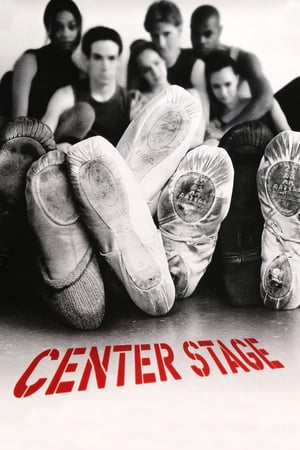
A group of 12 teenagers from various backgrounds enroll at the American Ballet Academy in New York to make it as ballet dancers and each one deals with the problems and stress of training and getting ahead in the world of dance.
This all-time ballet favourite, in which young Clara is swept into a fantasy adventure when one of her Christmas presents comes to life, is at its most enchanting in Peter Wright's glorious production.
The Royal Ballet presents the world premiere of Cathy Marston's first work for the Company on the Main Stage alongside a revival of Jerome Robbins’s timeless classic of pure dance. The Cellist is a one-act ballet about British cellist Jacqueline du Pré, from her discovery of the cello through her celebrity as one of the most extraordinary players of the instrument to her frustration and struggle with multiple sclerosis. Jerome Robbins's Dances at a Gathering is a fluid exercise in pure dance for five couples, set to piano music by Fryderyk Chopin.
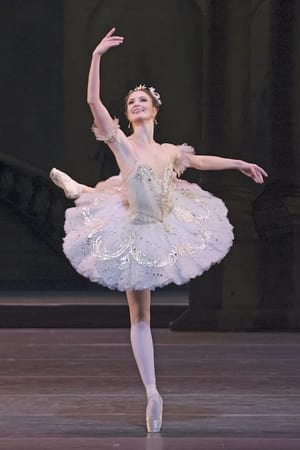
The wicked fairy Carabosse is furious she wasn’t invited to Princess Aurora’s christening. She gives the baby a spindle, saying that one day the Princess will prick her finger on it and die. The Lilac Fairy makes her own christening gift a softening of Carabosse’s curse: Aurora will not die, but will fall into a deep sleep, which only a prince’s kiss will break. The masterful 19th-century choreography of Marius Petipa is combined with sections created for The Royal Ballet by Frederick Ashton, Anthony Dowell and Christopher Wheeldon. Recorded live as part of the Royal Opera House Live Cinema Season 2019/20 with encore screenings broadcast online during the #OurHousetoYourHouse programme.
An old timbal performer in a puppet theater has a secret past.
Frederick Ashton's La Fille mal gardée (The Wayward Daughter) is one of the choreographer's most joyous and colourful creations. Inspired by his love for the Suffolk countryside, the ballet is set on a farm and tells a story of love between Lise, the daughter of Widow Simone, and Colas, a young farmer. It contains some of Ashton's most stunning choreography, most strikingly in the series of energetic pas de deux that express the youthful passion of the young lovers, performed here by Natalia Osipova and Steven McRae. The ballet is laced with exuberant good humour, and elements of national folk dance, from dancing chickens and a maypole dance to a Lancashire clog dance for Widow Simone, performed by Philip Mosley.
A one-hour version of Tchaikovsky's classic ballet, with a somewhat revised storyline reminiscent of "The Wizard of Oz".
George Balanchine's jewel-themed triptych, strikingly choreographed to the music of Faure, Stravinsky and Tchaikovsky. This three act masterpiece is renowned as the world's first full-length abstract ballet. The Russian-born co-founder of the New York City Ballet, Balanchine was inspired by the artistry of jewellery designer Claude Arpels to create a trio of distinct movements revealing the essence of each precious stone. Each part also evokes three different cities: Paris, New York and St. Petersburg. 'Emeralds' was conceived as a tribute to the French romantic school, with music by Gabriel Faure. The fiery and energetic 'Rubies' taps into the rich tradition of Broadway musicals, with music by Stravinsky. 'Diamonds' honours the grandeur of Imperial Russia and the Maryinsky Theater, choreographed to the music of Tchaikovsky. With its jewel-like costumes, this is a celebration of the influences on the choreographer who was described as the father of American ballet.
Scenes from the ballet Petrushka, performed by the Paris Opera Ballet at the National Opera Theatre.
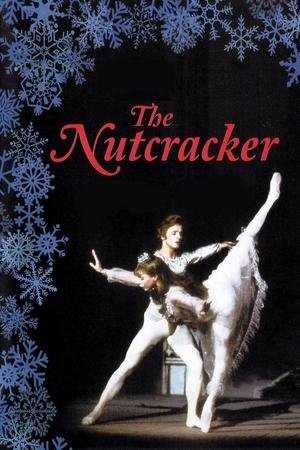
The Nutcracker is Mikhail Baryshnikov's breathtaking and critically acclaimed Emmy-nominated production. This spectacular performance is danced by the magnificent team of Baryshnikov, one of the greatest classical dancers of the century, and Gelsey Kirkland, both showcased at the peak of their careers, with members of the American Ballet Theatre.
Going to see Nutcracker with the whole family has been a tradition in other countries for many years. Now it is a tradition in the Netherlands as well. It became apparent that the Netherlands had also adopted this tradition in 1996, when the Dutch National Ballet presented its own version of the famous fairytale ballet. It is a magical production that has won the hearts of more than 250,000 people to date. Choreographers Toer van Schayk and Wayne Eagling created a Nutcracker for the children and adults of today. It is more dynamic and exciting, and less sweet than usual. They also chose to give a Dutch twist to their interpretation of the story, with skaters on the canals and a living room that transforms into a snowy forest. Unlike the original story, the production by Eagling and Van Schayk (who also designed the delightful sets and costumes) does not take place on Christmas Eve in a German town, but during St. Nicholas celebrations in Amsterdam, around 1810.
Based on the music of the famous Azerbaijani composer Kara Karayev. The ballet libretto is based on the poem “Seven Beauties” (Khamsa) by Nizami Ganjavi, created in 1197.