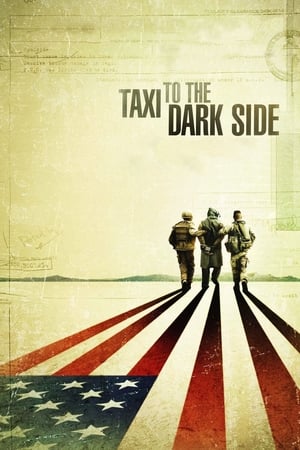
An in-depth look at the torture practices of the United States in Afghanistan, Iraq and Guantanamo Bay, focusing on an innocent taxi driver in Afghanistan who was tortured and killed in 2002.
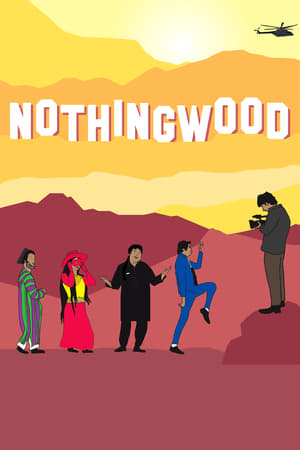
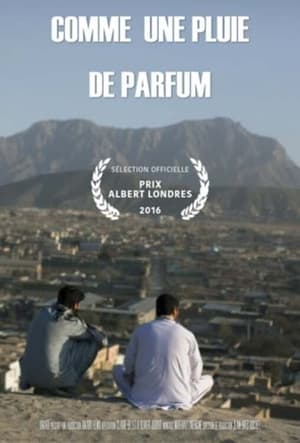
French documentarist Sonia Kronlund follows actor and director Salim Shaheen, an Afghan movie star who produced more than 110 low-budget movies in a country devastated by war.
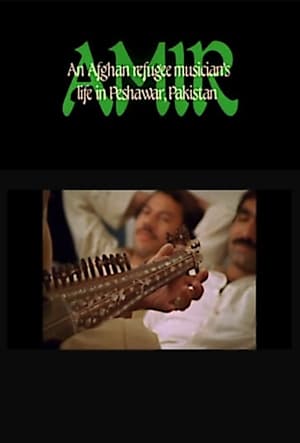
Amir, shot during the height of the Afghan civil war in the 1980s, investigates and portrays the life of Afghan refugees living in and around the city of Peshawar in northern Pakistan through the experiences of the musician Amir. The aspirations of Afghan refugees are expressed through their political songs dealing with the civil war in Afghanistan, with exile, with Afghan nationalism and with the Islamic revolution. In highly charged and tragic circumstances, music can be used in very direct ways, both to promote solidarity and as an agent of catharsis.
À ciel ouvert
In Jaan the filmmaker uses her mother’s forbidden cassettes and dance to tell the stories and show the spirit of Afghan women across generations.
Five Afghan men try to reach Europe. The filmmakers followed them for over six months, filming their clandestine journey and chronicling a migration combining fantasy and stark reality, setbacks and achievements, in the midst of the dangers of such trips.
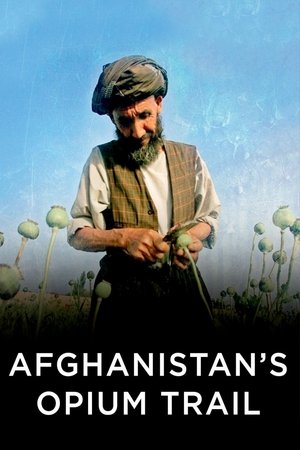
Over 90% of the world's opium now comes from Afghanistan. In this shocking new film, we ride the drugs caravan, from cultivation, to process, to market. On route, we lift the curtain on the hidden world of the drug barons; learn how to process heroin in the crudest of laboratories and encounter deadly gunfights on the Iranian border.
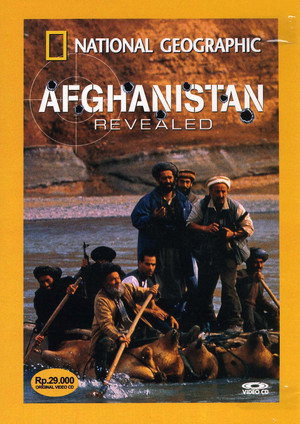
Take a harrowing journey with author Sebastian Junger and photographer Reza deep into Afghanistan for an in-depth interview with the assassinated resistance leader, Ahmed Shah Massoud. With never-before-seen footage, Afghanistan Revealed explores this war-torn country and the lives of its people as they continue their struggle against the Taliban.
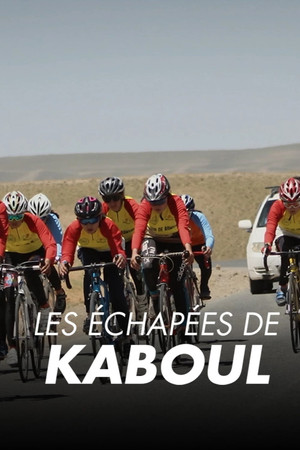
Les échappées de Kaboul
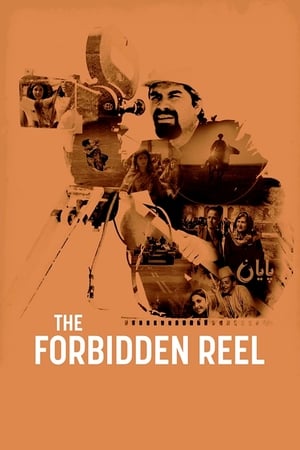
According to the official history of Afghanistan, ruthless destruction has always prevailed over art and creation; but there is another tale to be told, the forgotten account of a diverse and progressive country, seen through the lens of innovative filmmakers, a story that survives thanks to a few brave Afghans, a small but very passionate group that secretly fought to save a huge film archive that was constantly menaced by war and religious fanaticism.
A look back at the years leading up to the fall of Kabul and the perilous evacuation of civilians trapped inside the embassy in the hours following the Taliban's takeover of the country.
Annie Goldson and Kay Ellmers’ doco, expanded from the film they made for Maori Television, takes a timely look at New Zealand’s military and media, notably journalist Jon Stephenson, in Afghanistan.
This film creates a real-life epic of boyhood and manhood that follows the same individual over 20 years, living in one of the most dangerous countries in the world. When we first meet Mir, he is a mischievous boy of seven living in a cave in central Afghanistan alongside the Buddhas of Bamiyan, two statues that were recently destroyed. For two decades, the film follows the adventures of his life, until, as an adult with a family of his own, he decides to pursue his own career as a news cameraman in Kabul. More than just a personal journey, My Childhood, My Country is an powerful examination of what has – and has not – been achieved in Afghanistan over the past 20 years.
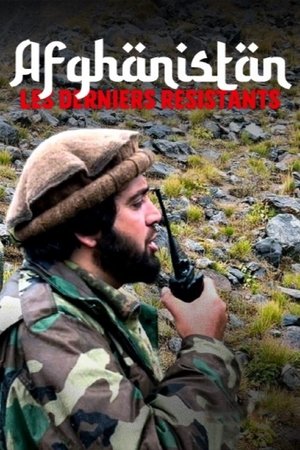
Afghanistan : les derniers résistants
Iran, January 16th, 1979. Shah Mohammad Reza Pahlavi flees after being overthrown. Ayatollah Khomeini returns to Tehran and proclaims the Islamic Republic on April 1st, 1979. In the same year, Saddam Hussein seizes power in Iraq and, after several border skirmishes, attacks Iran on September 22nd, 1980, initiating a cruel war that will last eight years. Since its outbreak, correspondent Saeid Sadeghi documented it from its beginning to its bitter end.
Near-silent and shot via a cell phone, a war veteran observes the world which has been colored by his experiences in Afghanistan.
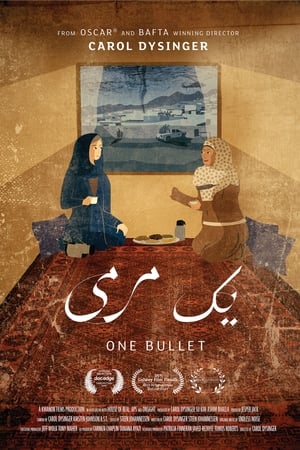
An Afghan mother and a US filmmaker, connected through one stray bullet, forge a surprising friendship amidst America's longest war.
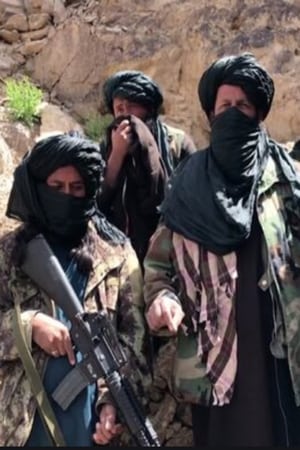
"Inside the Talibans" - What will happen if the Talibans return to power? Swedish journalist Magda Gad travels the Herat and Wardak provinces of Afghanistan to meet with the Taliban fighters.
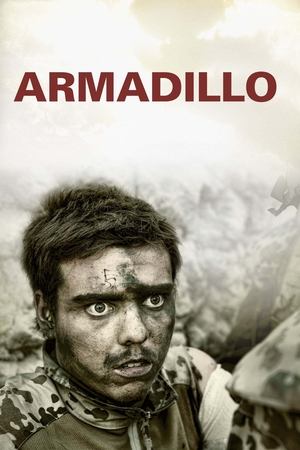
Danish soldiers are sent to Afghanistan in 2009 for 6 months, to help stabilize the country against the Taliban. They're stationed on Armadillo military base in Helman province. Unlike other war movies, this is the real deal – no actors.
The Soviet Army Prepares for Action in Afghanistan is derived from four shots of a Soviet film called Heirs of Victory (1975) which commemorates the Allied triumph over fascism in World War II. The original film celebrates the military might of the USSR in images of explosions and armed men leaping through flames. These images are subjected to such thorough manipulation that they become patterns flickering like a multitude of abstract paintings, with digital smears standing in for squeegee marks and brush strokes. Slowly the shots become less abstract until they are completely recognizable, though still somehow rather surreal.