Harmonies de Paris, restored by the Cinémathèque Française in the 1990s, was shot entirely on panchromatic film and was meant to be a documentary tour of Paris in thirteen thematic chapters. The subject is a tourist group arriving in the French capital by airplane, which explains the many shots of monuments and other canonical places.
A feature-length documentary on Yvonne Bezerra de Mello, award-winning artist and human-rights activist who has gained international recognition for her work with street children in Rio. The film recounts how a woman turned her back on a wealthy lifestyle, driven into action by the execution of 8 streetkids by military police in 1993. In subsequent years Yvonne's struggle to better the lives of endangered and abandoned children has led her to found "Projeto Uere" ("Children of Light") a radical project committed to protection and education of kids who live in the streets and slums of Rio which has brought her into conflict with Brazil's wealthy elite.
The life and work of Halle-born Georg Friedrich Händel, the Händel Museum, and the Händel Festival in Halle are presented.
Margy Kinmonth meets millionaire customers and world-famous designers as she explores the anachronistic but little-explained pocket of the fashion industry known as haute couture.
The unbelievable story of 22 year old Or, who secretly finances his sex change operation in Thailand by lying to his conservative parents and then returns home as a woman to face her new life, her family and the cost of living her dream
Maria Iliou documents the ethnic cleansing and violent expulsion of Greeks from the Ottoman Empire. In the first compulsory "exchange of populations" in the modern world, 1.2 million Greek Orthodox and 400,000 Muslims were forcibly relocated from Turkey to Greece and Greece to Turkey respectively.
Two tons of snow—flown from New Hampshire to Puerto Rico in 1952 in order to “gift” Puerto Ricans a “white Christmas”—become a metaphor for the colonialist paternalism of America’s relationship to Puerto Rico.
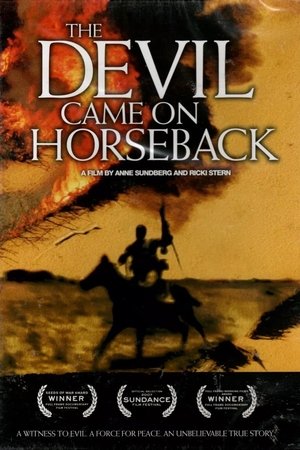
A documentary on the war between the Guatemalan military and the Mayan population, with first hand accounts by Nobel Peace Prize winner Rigoberta Menchú.
Jakub presents an extensive ethnographical-sociological study of the life of the Ruthenians, filmed in the Maramuresh mountains in the north of Romania and in the former Sudetenland in Western Bohemia. The film was made over a period of five years during the time of both totalitarian regimes and was completed in 1992 after the revolution.
Lissette's favorite aunt Adriana, who lives in Australia, is arrested in 2007 while visiting her family in Chile and accused of having worked for dictator Pinochet's notorious secret police, the DINA, and of having participated in the commission of state crimes. When Adriana denies these accusations, Lissette begins to investigate her story in order to film a documentary about her.
Inspired by an exclusive interview and performance footage of Chavela Vargas shot in 1991 and guided by her unique voice, the film weaves an arresting portrait of a woman who dared to dress, speak, sing, and dream her unique life into being.
The Pimp and His Trophies
Documentary about how indigenous culture and the achievements of modern tourism intertwine.
They experienced perhaps the greatest crimes against humanity the world has ever seen. Yet what do we know about the Holocaust survivors who made Britain their home? Britain's Holocaust Survivors takes a unique approach to recording the experiences of the last generation to have living memories of the Holocaust. The film takes viewers into the homes of a small group of extraordinary survivors, telling their stories with sensitivity, humour and compassion. A compelling cast of characters are revealed as they gradually reveal the horror of their past and how those experiences have shaped their lives.
Documentary depicting the lives of child prostitutes in the red light district of Songachi, Calcutta. Director Zana Briski went to photograph the prostitutes when she met and became friends with their children. Briski began giving photography lessons to the children and became aware that their photography might be a way for them to lead better lives.
A dual portrait of young drifters on the streets of Odessa, where every day seems the same and the future keeps getting further away.
The film describes the microcosmos of the small village Wacken and shows the clash of the cultures, before and during the biggest heavy metal festival in Europe.
This haunting film comprises of footage shot during WWI from opposite sides of the conflict: Czarist Russia and the Austro-Hungarian empire. The filmmakers tinted the material with sensual colors from sepia to red, blue, and purple and slowed the footage to analyze the material. The total absence of commentary renders the material eloquent and disturbing. - MoMA
In 1926 the remains of two ships built by the Emperor Caligula were found at the bottom of Lake Nemi, near Rome. Mussolini had the lake drained and established a museum as a celebration of the imperial origins of Fascism, but the museum and ships were destroyed by fleeing Nazis in 1944. The film commemorates these events. - MoMA
Legendary rumba musician Alberto Zayas serves as a guide for this vibrant journey through Cuban musical history and culture. The short features interviews, footage of impromptu street performances, and studio recordings.