Sex Addicts
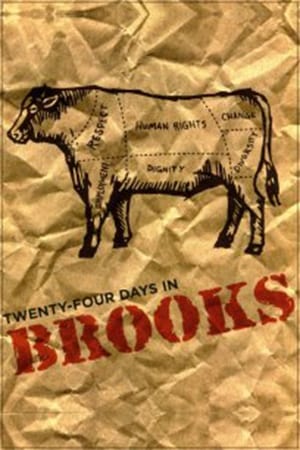
Over the course of a decade Brooks, Alberta, transformed from a socially conservative, primarily white town to one of the most diverse places in Canada as immigrants and refugees flocked to find jobs at the Lakeside Packers slaughterhouse. This film is a portrait of those people working together and adapting to change through the first-ever strike at Lakeside.
Long ago, Geamăna was a Romanian village in the Apuseni Mountains, home to about 1000 people. Today, only the church spire rises from the poisonous mud of a neighbouring copper mine. Almost all the houses have sunk and their inhabitants fled. On the edge of the past, Valeria Praţa strives for her present - and is threatened by the future.
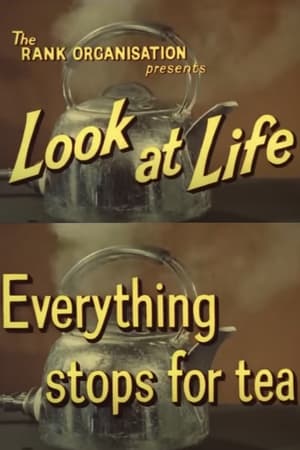
A short documentary about the tea drinking culture in the UK and the industry behind it.
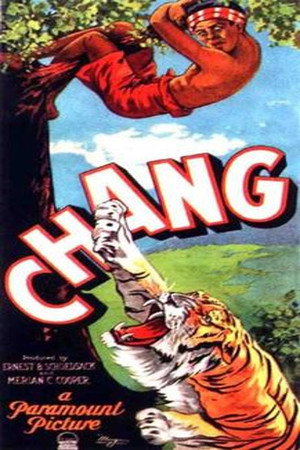
Elephants disrupt the lives of a family deep in the jungles of Northern Siam, and an entire village.
Fontelonga is a village of Trás-os-Montes, in the interior of Portugal. A mirror of exile in the eyes of their own people. A reflexion where memory is the last object of beauty and redemption.
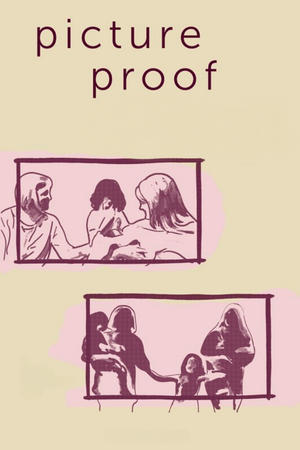
Examines the intergenerational impact of addiction by chronicling the love, labor, loss, and uncertainty of one woman’s struggle to live a life of sobriety. Weaving together moments of glee, fulfillment, acceptance, sorrow, and disappointment, this documentary takes an intimate look at the bonds that hold one family together and a disease that threatens to tear them apart.
A drama-documentary film about the fatal effect of poor living conditions on health – the so-called "social inheritance." The principal characters in the film are two fourteen or fifteen-year-old children, Carl and Hanne. Covering a hundred-year period and drawing on case stories recorded by actual hospital staff, the film illustrates a number of variations of "the same old story."
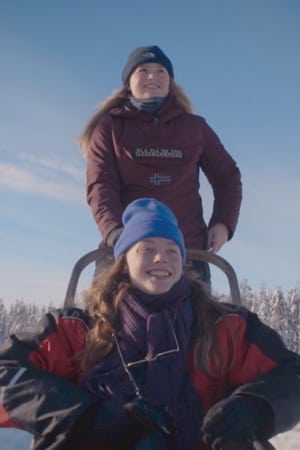
Lotte (18) and Roos (16) are sisters and both have Usher syndrome. That means they will soon become deaf and blind. It is not known how fast that will go, but they already see and hear a lot worse than their peers. How do these two high-spirited girls deal with their development into adulthood, while the time bomb of deafness and blindness ticks inexorably? They are not deterred from getting the most out of life: Lotte is studying to become a photographer and Roos is passing her final exams. At the same time, they also want to do a few things before it is too late, such as seeing the Northern Lights with their own eyes. Director Kim Smeekes followed Lotte and Roos for the film for two years.
Dadi manages an extended family in Haryana, Northern India, where daughters-in-law face loneliness and unrealistic expectations. The film delves into family dynamics, highlighting Dadi's firm control amidst tensions. Social and economic shifts challenge traditional values, exemplified by Dadi's son marrying outside the village. Despite clinging to tradition, Dadi adapts to her children's modern aspirations. This narrative reflects the clash between generations and gender roles in 1980s rural India, offering insight into the evolving concept of family.
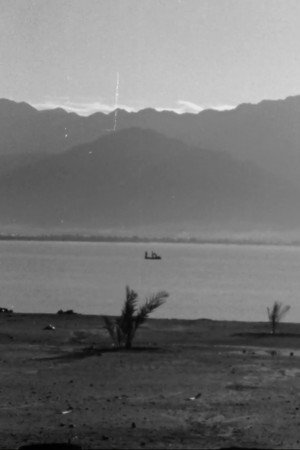
Between the mountains of Edom and the Red Sea, the younger and older workers of the United Kibbutz Brigade positioned themselves in order to build and settle the city of Eilat. Under the leadership of Beni Marshak, the organization’s secretaries are exploring the possibility of establishing permanent structures while supervising British activities in the area. Meanwhile, in the brigade camp, meals are being prepared and clothes are being thoroughly washed by the dedicated female brigade members. The brigade members take on tasks for the preparation of the settlement, in carpentry, fishing, planting gardens and orchards, and in the construction work of a Solel Boneh. The 12th grade students from the Kibbutzim come to be impressed by the pioneering work in the city.
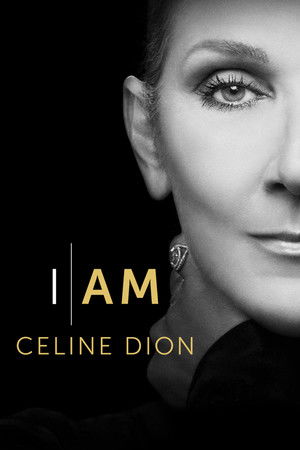
A raw and honest behind-the-scenes look at the iconic superstar's struggle with a life-altering illness. Serving as a love letter to her fans, this inspirational documentary highlights the music that has guided her life while also showcasing the resilience of the human spirit.
Inside the dramatic search for a cure to ME/CFS (Myalgic Encephalomyelitis/Chronic Fatigue Syndrome). 17 million people around the world suffer from what ME/CFS has been known as a mystery illness, delegated to the psychological realm, until now. A scientist in the only neuro immune institute in the world may have come up with the answer. An important human drama, plays out on the quest for the truth.
Filmmaker Diego Gutiérrez knows that he is soon to lose two loved ones: his mother Gina Coppe and his best friend Danniel Danniel. Both ask him to film them during this final phase of their lives—Gina in her apartment in Mexico City, Danniel in a Dutch restaurant where he feels at home. What stories do they want to leave behind?
Sam Bowie had a productive basketball career at Kentucky and in the NBA but was plagued by leg injuries and lofty expectations (he was drafted one spot ahead of Michael Jordan). Still, he never let his run of bad fortune deflate his spirit, eventually finding success and happiness as a horse owner in Lexington, Kentucky.
A mysterious outbreak of tic disorders among young people leads Dr Robert Bartholomew to question whether social media is making us sick. Doctors have recently identified a concerning trend among young people: tic disorders potentially spread via TikTok videos. For sociologist Dr Robert Bartholomew, an expert in mass psychogenic illness, the trend isn’t surprising, but the potential consequences are alarming. Could the global scope of social media mean we are on the precipice of the world’s largest outbreak of psychogenic illness?
A documentary about a proposed military training area in Rothenthurm, Central Switzerland, and the village's resistance to those plans.
The first childbirth for children film ever made which launched a sibling preparation movement across the US.
Shot in various villages throughout Yugoslavia, this is a disturbing document of a time when people were stabbing each other with knives without any real reason. Murderers, people who witness these murders and the families of victims all talk about the senseless violence and the human condition.
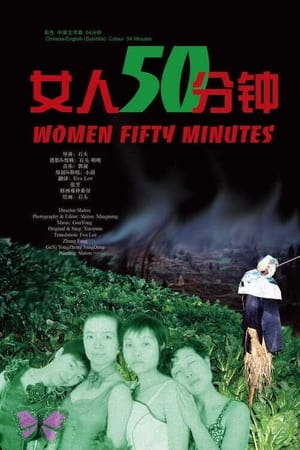
A representation of queer and feminist imagery that was mainly shot in the Qinghai-Tibetan Plateau, remote and developing areas in southwest China, and metropolitan cities like Beijing from 2000 to 2004 to document the social changes in contemporary China. The director sympathetically and erotically represents a variety of women, including women as laborers, women as prayers, women in the ground, women in marriage, and women who lie on the funeral pyre with their dead husbands. Her camera juxtaposes the mountains and rivers in old times, the commercialized handicrafts as exposition, the capital exploitation of the elders’ living space, and the erotic freedom of the young people in a changing city.