Rites of winter, rites of peyote. A creative documentary based on texts by Antonin Artaud read by Jean Rouch, and the words of the last shaman’s peyote, translated by Raymonde Carasco.
Filmed in New York in the summer of 2006: a march across the Brooklyn Bridge in support of the Palestinian and Lebanese populations. Habibi means "beloved" in Arabic.
This film was shot during Easter 1985. It shows the preparation and staging of the Passion in the village of Norogachic, Mexico. The initiation rites of two Pascoleros, filmed for the first time, form the center of this document.
An animated history of American health care provider, Planned Parenthood.
‘Podwórka’ captures six groups of neighbourhood youth as they play in seemingly deserted yards, offering an intimate portrait of daily life in Łódź, Poland. Shot with a fixed camera, this single-channel video projection highlights American artist Sharon Lockhart’s concern for the interrelationship between the still and the moving image.
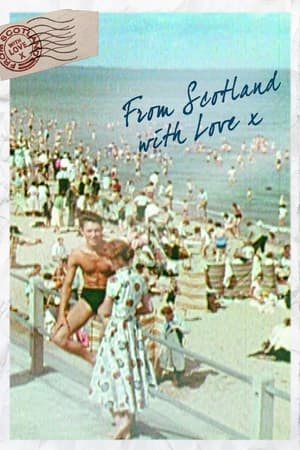
They Made the Land (1938) is a documentary showcasing how land in Scotland was reclaimed and cultivated for agriculture. It explores the challenges of making a living from the land while highlighting the contributions of agricultural research and animal breeding. Produced as part of a series of seven documentaries for the 1938 Empire Exhibition, the film was created under the supervision of pioneering documentarian John Grierson.
Four years after a military coup overthrew the Brazilian government in 1964, all civil rights were suspended and torture became a systematic practice. Using a mix of fiction and documentary this extraordinary film is a searing record of personal memory, political repression and the will to survive. Interviews with eight women who were political prisoners during the military dictatorship are framed by the fantasies and imaginings of an anonymous character, portrayed by actress Irene Ravache.
Kristina, a self-named Hungarian female lion tamer, arrives in New York to become a dance choreographer. Kristina, now a middle-class NYC artist concerned about the environment, has a sailor lover named Raoul. The film, a collage work, an essay film, a fictional narrative and a documentary all rolled into one, is one of the most important independent American feminists films made during the 1970's.
A film about the Tibetan Freedom Concert in San Francisco in 1996.
A short documentary on the chateaux of the Loire in France was commissioned by the French Tourist Bureau.
A very personal and dynamic meditation on the current global refugee crisis through the eyes and voices of campaigners, specially children, where past and present establish a dialogue. A reflection on the importance of human rights.
Twenty-five films from twenty-five European countries by twenty-five European directors.
A documentary of insect life in meadows and ponds, using incredible close-ups, slow motion, and time-lapse photography. It includes bees collecting nectar, ladybugs eating mites, snails mating, spiders wrapping their catch, a scarab beetle relentlessly pushing its ball of dung uphill, endless lines of caterpillars, an underwater spider creating an air bubble to live in, and a mosquito hatching.
In 1988, Tilda Swinton toured round the Berlin Wall on a bicycle - starting and ending at the Brandenburg Gate - accompanied by filmmaker Cynthia Beatt. As Swinton travels through fields and historic neighborhoods, past lakes and massive concrete apartment buildings, the Wall is a constant presence.
John Wayne, Henry Fonda and James Stewart discuss working with John Ford
Three children living in a displacement camp in northern Uganda compete in their country's national music and dance festival.
Examines the public scandal and private tragedy which led to legendary director Roman Polanski's sudden flight from the United States.
During the 1977 World Series, Sports Illustrated reporter Melissa Ludtke was denied access to the players' locker room. After a very public fight, the door was opened, but the debate about female journalists in the male sanctum of the clubhouse remained. Through interviews with pioneering female sports writers, Let Them Wear Towels captures the raw behavior, humorous retaliation, angry lawsuits and remarkable resolve that went into the struggle for equal access for women reporters.
A documentary that resurrects the buried history of the outrageous, often brilliant women who founded the modern women's movement from 1966 to 1971.
ŽIŽEK! trails the thinker as he crisscrosses the globe, racing from New York City lecture halls, through the streets of Buenos Aires, and even stopping at home in Ljubljana, Slovenia. All the while Žižek obsessively reveals the invisible workings of ideology through his unique blend of Lacanian psychoanalysis, Marxism, and critique of pop culture.