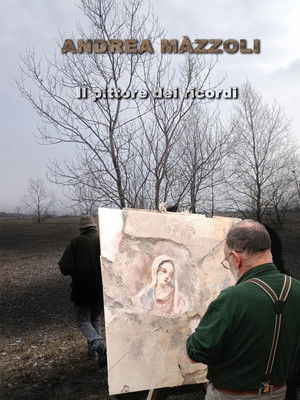
Andrea Màzzoli Il pittore dei ricordi
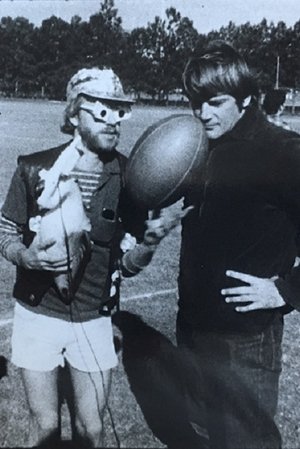
A peculiar homage to the things that go wrong, this film is purportedly about rugby. The self-explanatory title for this jumpy “documentary” is less concerned with the filmed subject (the game, the field, the players) than a comic editing style and the complete acknowledgement given to the technical aspect of gathering and manipulating raw footage.
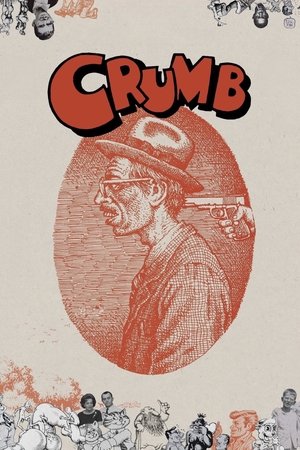
This movie chronicles the life and times of R. Crumb. Robert Crumb is the cartoonist/artist who drew Keep On Truckin', Fritz the Cat, and played a major pioneering role in the genesis of underground comix. Through interviews with his mother, two brothers, wife, ex-wife and ex-girlfriends, as well as selections from his vast quantity of graphic art, we are treated to a darkly comic ride through one man's subconscious mind.
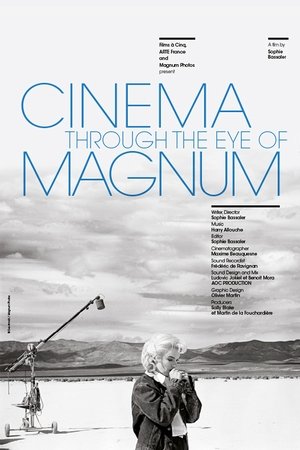
The film tells the story of the intimate and unprecedented encounter between the photojournalists of the Magnum Agency and the world of cinema. The confrontation of two seemingly opposite worlds – fiction and reality. For 70 years their paths crossed: a family of photographers, amongst them the biggest names in photography, and a family of actors and filmmakers who helped write the history of cinema, from John Huston to Marilyn Monroe to Orson Welles, Kate Winslet and Sean Penn.
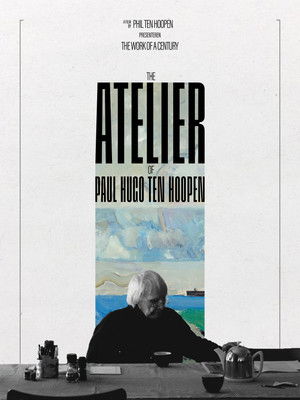
Paul Hugo ten Hoopen, the 98-year-old Amsterdam painter, delves into his childhood, education, and past artworks, while exploring his philosophy on the creation of art itself. Paul’s story brings out the perspective of a professional in his field. He urges new artists to find their own voice – their own colours – to be as original as possible.
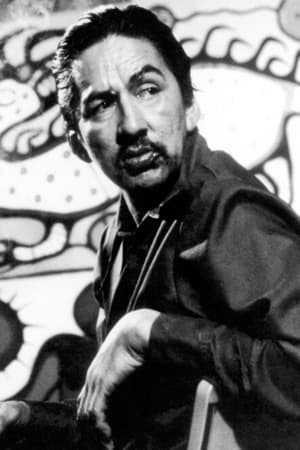
In this revealing study of Norval Morrisseau, filmed as he works among the lakes and woodlands of his ancestors, we see a remarkable Indigenous artist who emerged from a life of obscurity in the North American bush to become one of Canada's most renowned painters. Morrisseau the man is much like his paintings: vital and passionate, torn between his Ojibway heritage and the influences of the white man's world.
Art documentary
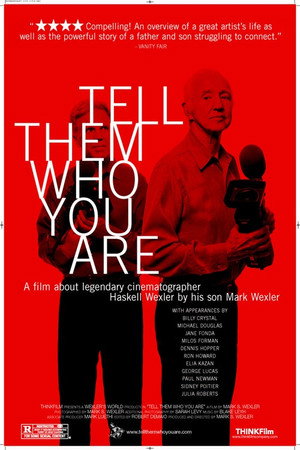
The son of acclaimed cinematographer Haskell Wexler confronts his complex father by turning the camera on him. What results is a portrait of a difficult genius and a son's path out of the shadow of a famous father.
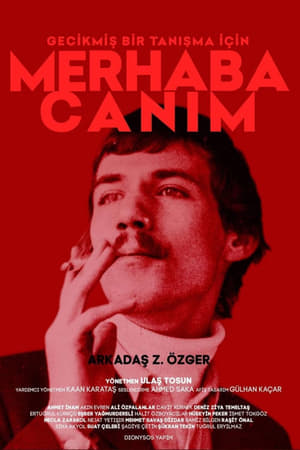
The documentary is titled after Arkadaş Z. Özger’s poem “Hello My Dear” which had caused much controversy in the period it was first published. Considered to be in defiance of heteronormativity, the said poem includes references to the poet’s personality, his family, his relationship to the society, and his “unexpected” death, which came three years after its publication. Today, 50 years after it was written, the documentary follows these same lines in the poem utilising cinematic elements. The documentary also rediscovers the poetics; reaches out to the family, the comrades, the friendships, departing from the official historical accounts, cognizant of his experience of otherness, in pursuit of the “lost” portrait of Arkadaş Z. Özger.
The Victorian era is often cited for its lack of sexuality, but as this documentary reveals, the period's artists created a strong tradition surrounding the classical nude figure, which spread from the fine arts to more common forms of expression. The film explains how 19th-century artists were inspired by ancient Greek and Roman works to highlight the naked form, and how that was reflected in the evolving cultural attitudes toward sex.
Profile of the Haida artist Bill Reid
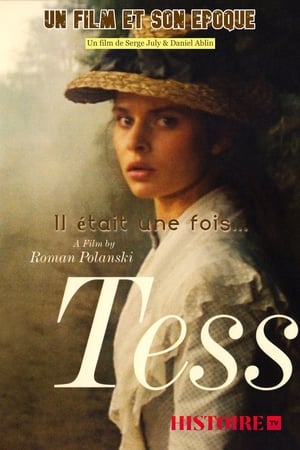
Television documentary about the making of Roman Polanski's 1979 film, Tess.
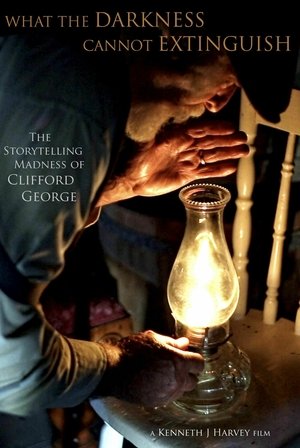
A feature-length documentary celebrating the life and work of Trinity Bay artist and storyteller Clifford George.
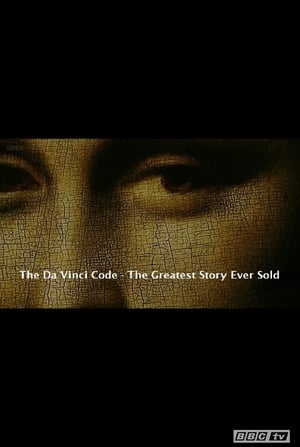
After Dan Brown's publishing phenomenon The Da Vinci Code was cleared of plagiarism charges, this documentary explores the climate which has permitted a fictional story to make such an effective challenge to conventional history that it has forced a counter-attack from the Church, the art world and academics. Has Brown cracked the most difficult code of all our 21st-century cultural DNA?
Ladislav Jurovatý - majster drôtu a železa
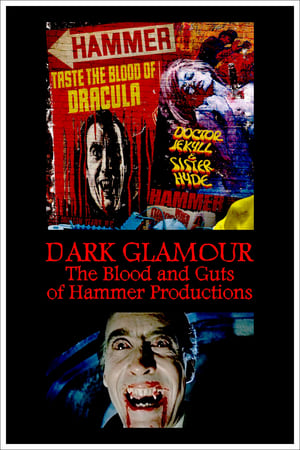
The greatness, fall and renaissance of Hammer, the flagship company of British popular cinema, mainly from 1955 to 1968. Tortured women and sadistic monsters populated oppressive scenarios in provocative productions that shocked censorship and disgusted critics but fascinated the public. Movies in which horror was shown in offensive colors: dreadful stories, told without prejudices, that offered fear, blood, sex and stunning performances.
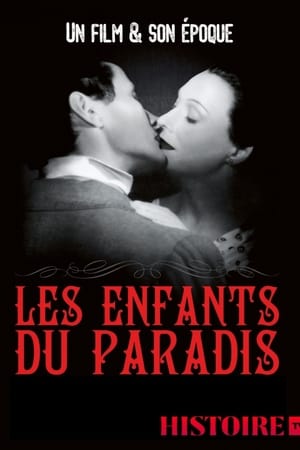
Television documentary about the making of Marcel Carné's 1945 film "Children of Paradise"
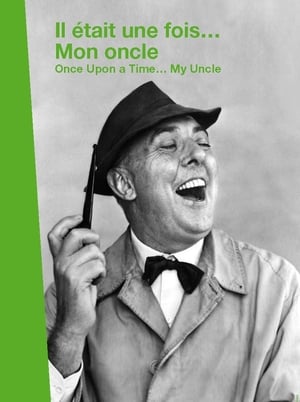
Television documentary about the making of Jacques Tati's 1958 film "Mon oncle".
Television documentary about the making of Roman Polanski's 1979 film "Tess."
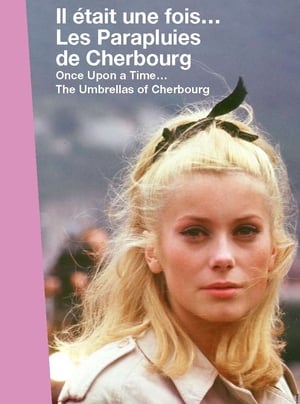
Television documentary about the making of Jacques Demy's 1964 film "The Umbrellas of Cherbourg".