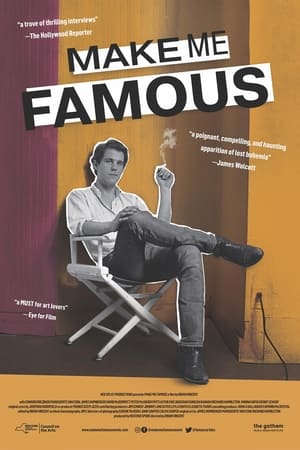
An investigation of Edward Brezinski, an ambitious, charismatic Lower East Side painter hell-bent on sucess, who thwarted his own career with antics that roiled NYC’s art elite. Brezinski’s quest for fame gives an intimate portrait of the art world’s attitude towards success and failure, fame and fortune, notoriety and erasure.
“Shellmound” is the story of how one location was transformed from a sacred center of pre-historic cultures to a commercial mecca for modern people. What began as a Native American burial ground three thousand years ago, was transformed first into an amusement park, and later an industrial age paint factory. Now, the tainted ancient soil sits beneath the glittering lights of Banana Republic, Victoria’s Secret, and the AMC movie theaters. “Shellmound” examines the decisions made during the recent toxic cleanup, excavation, and construction of the Bay Street mall through the eyes of the city of Emeryville, the developer, the archaeologists, and the native Californians who worked on the site.
Jose Rivera is a lifelong resident of Spanish Harlem (El Barrio) but is afraid that gentrification will force him out. James Garcia has just bought an apartment across the street from public housing and wonders why locals resist his moving into the neighborhood. James Barrow worries that a construction project in an empty lot behind his building will threaten his apartment. Oscar Dominguez and Movement for Justice in El Barrio protests against gentrification. A town hall meeting pits community members against a City Councilwoman who supports a massive development project in East Harlem.
When Brovary village officially became a town, one third of its residents were communist. After 60 years and three revolutions such proportion didn’t change: thirty percent of its streets keep the names of the former empire.
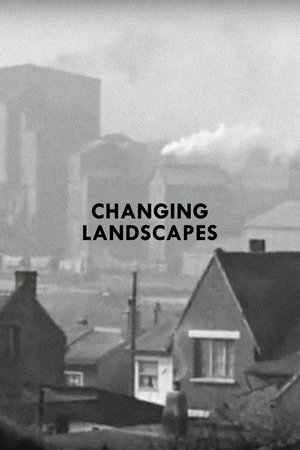
A sophisticated and beautifully constructed account of landscape change in and around Paris in the early 1960s. The film raises complex issues about the meaning and experience of modern landscapes and the enigmatic characteristics of features such as canals, pylons and deserted factories. Rohmer also explores the role of landscape within different traditions of modern art and design and refers to specific architects, artists and engineers.
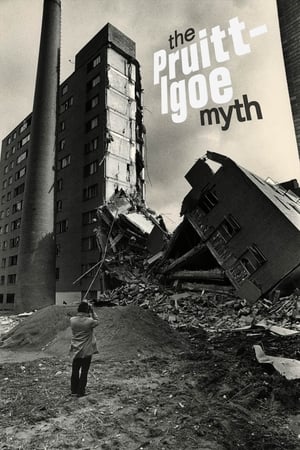
Destroyed in a dramatic and highly-publicized implosion, the Pruitt-Igoe public housing complex has become a widespread symbol of failure amongst architects, politicians and policy makers. The Pruitt-Igoe Myth explores the social, economic and legislative issues that led to the decline of conventional public housing in America, and the city centers in which they resided, while tracing the personal and poignant narratives of several of the project's residents. In the post-War years, the American city changed in ways that made it unrecognizable from a generation earlier, privileging some and leaving others in its wake. The next time the city changes, remember Pruitt-Igoe.
Discusses the squatters movement, made up of people who live in abandoned houses through necessity and in order to force change in housing policy. Focuses on Philadelphia, where Gloria Giles becomes a leader and gains a national reputation.
A Pedagogia da Presença
Na Bahia Ninguém Fica em Pé
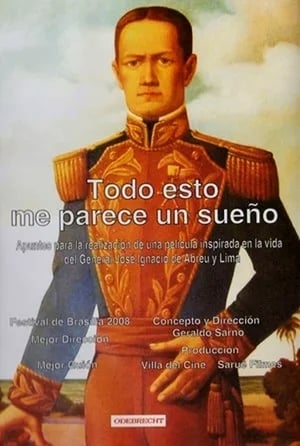
Tudo Isto Me Parece um Sonho
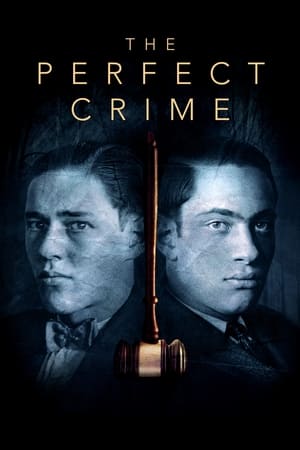
The shocking story of Richard Leopold and Nathan Loeb, two wealthy college students who murdered a 14-year-old boy in 1924 to prove they were smart enough to get away with it.
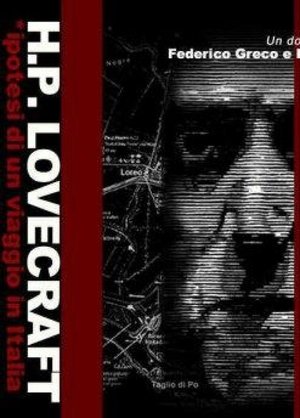
A documentary about the possible ties between H.P.LOVECRAFT and the Polesine region (Italy), stimulated by the casual discovery of a mysterious manuscript attributed to the great American horror writer died in 1937.
Documentary illustrating the birth of sound cinema.
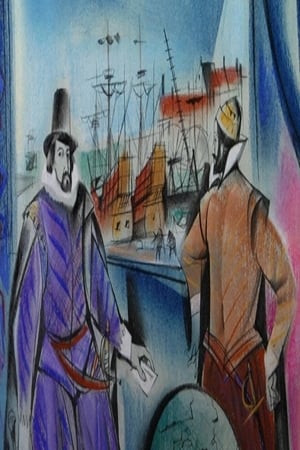
Explorer, colonizer, founder of Québec, discoverer of Lake Champlain, governor of New France, cartographer and writer - few men in Canadian history had a more adventurous and varied career than Champlain. This film presents an exciting picture-study of the man and his time.
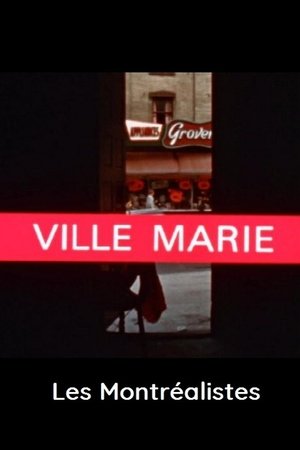
Today it is the city of Montreal, but 3 centuries ago the tiny band of missionary founders called it Ville-Marie, the holy city of Mary. This film goes back to its beginning and those who felt called to plant an oasis of Christianity in the North American wilderness. In an imaginative, at times almost surrealistic, way the film recalls the highborn company from France, and shows what survives of Ville-Marie in the Montreal of today.
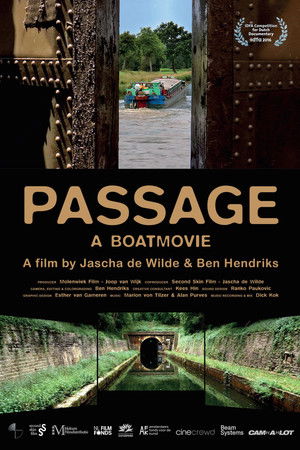
In the 50 minutes documentary installation PASSAGE the audience is immersed and taken on a trip on a barge, a Spits riverboat, along the so-called 'North-South'.
In China more people are on death row than the rest of the world combined. The children of the convicts are often left alone, stigmatized and living in the streets. Grandma Zhang, as the kids call her, is a former prison guard who has founded an orphanage in Nanzhao.
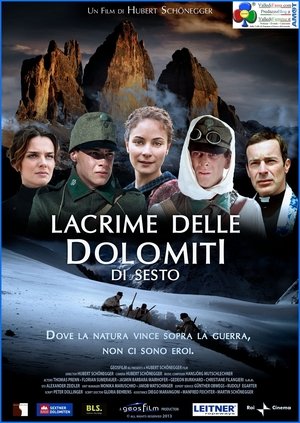
In 1915, the First World War is in full swing and young men are called to military service in rows - including Franz and Peter. Both are sent to the Dolomite front, in order to fend off a threatened Italian attack. Comradeship and loyalty are needed in the fight, but Franz and Peter are ever enemies. Since Peter's romance with Anna, the competition between the two flares up more. But the circumstances of the war and the harsh weather in the mountains soon end those hostilities.
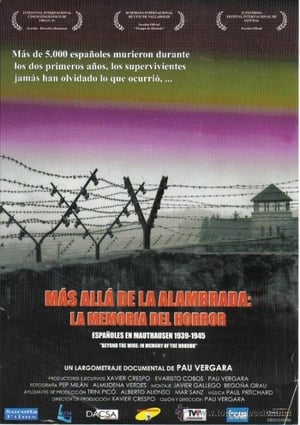
Más allá de la alambrada: la memoria del horror
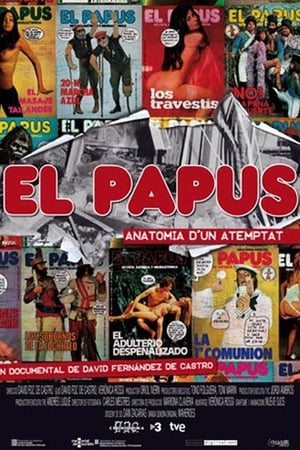
El Papus, anatomia d'un atemptat