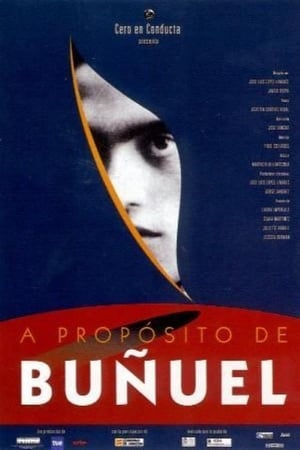
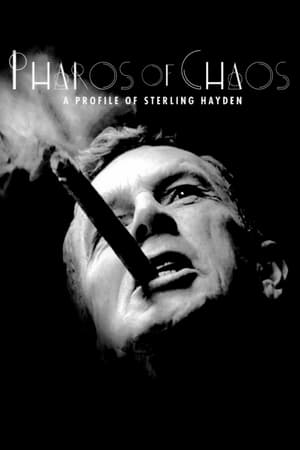
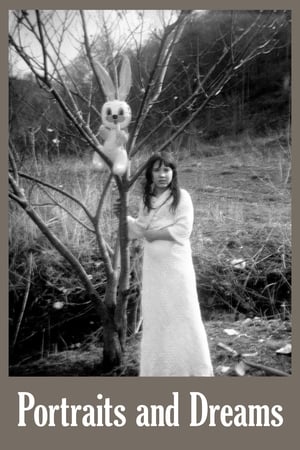
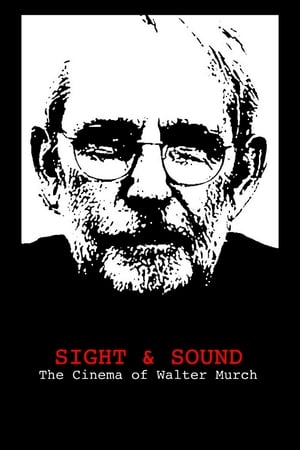
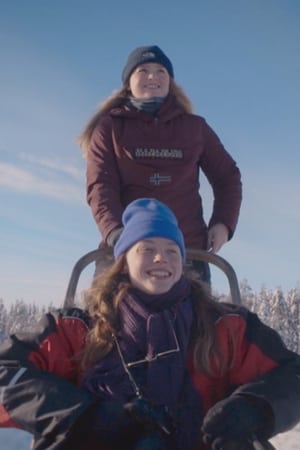
An insightful short documentary about eight young filmmakers, just out of film school who all have a romantic outlook about Cinema but are equally aware of the challenges of the real world of film making. This little film captures these beautiful young filmmakers at their most candid selves.
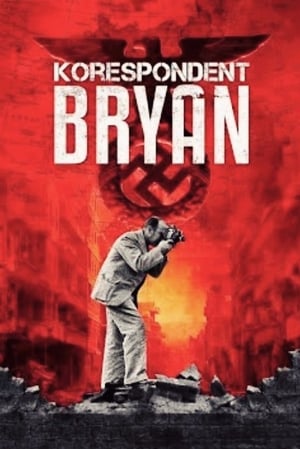
The film is based solely on footage shot in Warsaw in 1939 by Julien Hequembourg Bryan. This American filmmaker and photographer documented life in Poland, the Soviet Union and Nazi Germany between 1935 and 1939. Following the outbreak of the Second World War, he arrived in Warsaw, where he shot a number of films documenting the city under siege, and is said to be the only foreign correspondent in the Polish capital at the time. Bryan also took the first colour photographs of wartime Warsaw.
Eva Ebner is a Berliner who gives the appearance of being rather eccentric. She knows the film business inside out – regardless of whether she’s work- ing behind the camera as an assistant director or in front of it as an actor. Her name is closely associated with a series of now-legendary adaptations of Edgar Wallace’s crime novels which were made in Germany during the 1960s. Upcoming young directors from local film schools have also profited from Ms. Ebner’s unbroken enthusiasm and passion for film. However, this eighty-year-old has a more than broken relationship to the events of her childhood and youth in Gdansk – a time when her life was characterised by an anti-Semitic step-mother and the dangers posed by the Nazi regime. This film portrait does not eschew any of the long dark shadows of that era, nor does it sidestep any friction between portrayer and his subject. (Lothar Lambert)
Martin Scorsese’s electrifying concert documentary captures The Rolling Stones live at New York’s Beacon Theatre during their A Bigger Bang tour. Filmed over two nights in 2006 with an all-star team of cinematographers, the film combines dynamic performances with archival footage and rare glimpses behind the scenes, offering a vibrant portrait of the band’s enduring energy and legacy.
The life and work of American photographer Harold Feinstein, whose work garnered critical and commercial success. In his 2015 obituary the New York Times declared him “one of the most accomplished recorders of the American experience.” Howard Greenberg says Feinstein “ occupies high ground in the pantheon of street photography” yet, most people, have never heard of him. A prodigious talent, Feinstein photographed life in all its forms, when and where he wished. Whether this was as a draftee in the Korean War, in a Bebop infused Manhattan loft or rural hippy enclave in upstate NY, Harold’s 35mm black and white photographs captured the essence of life with a with a uniquely humanist eye. The re-discovery of Feinstein’s vast and diverse body of work came in his final years and the film meets him then; in his early 80s and with a zen-like appreciation for the life he lived.
The city of Madrid as it appears in the Spanish films of the 1950s. A small tribute to all those who filmed and portrayed Madrid despite the dictatorship, censorship and the critical situation of industry and society.
From his Memphis studio, Ernest Withers’ nearly 2 million images were a treasured record of Black history but his legacy was complicated by decades of secret FBI service revealed only after his death. Was he a friend of the civil rights community, or enemy—or both?
During the last forty years, the photographer Sebastião Salgado has been travelling through the continents, in the footsteps of an ever-changing humanity. He has witnessed the major events of our recent history: international conflicts, starvations and exodus… He is now embarking on the discovery of pristine territories, of the wild fauna and flora, of grandiose landscapes: a huge photographic project which is a tribute to the planet's beauty. Salgado's life and work are revealed to us by his son, Juliano, who went with him during his last journeys, and by Wim Wenders, a photographer himself.
Actress Sally Field looks at the dramatic life and successful career of the superb actress Barbara Stanwyck (1907-90), a Hollywood legend.
Behind the scenes of shooting in various notoriously difficult locations, including interviews with producers and lead actors.
The House That Shadows Built (1931) is a short feature, roughly 48 minutes long, from Paramount Pictures made to celebrate the 20th anniversary of the studio's founding in 1912. It was a promotional film for exhibitors and never had a regular theatrical release and includes a brief history of Paramount, interviews with various actors, and clips from upcoming projects (some of which never came to fruition). The title comes from a biography of Paramount founder Adolph Zukor, The House That Shadows Built (1928), by William Henry Irwin.
Documentary short film depicting the filmmaking activity at the Paramount Studios in Hollywood, featuring dozens of stars captured candidly and at work.
Documentary about the making of Twin Peaks: Fire Walk With Me.
A documentary on the collaboration of filmmaker Sacha Guitry and actor Michel Simon focusing on the film "La Poison" (1951).
The short piece features remarks and footage from Forster, Wilson, Bradley, Evans, Kurylenko and Arterton.
Directed and edited by Stanley Kubrick's daughter Vivian Kubrick, this film offers a look behind the scenes during the making of The Shining.
The short piece shows what the cast and crew did on the first day of production but mostly just serves as an overview of general movie-making bits.
The short piece includes statements from Forster, Kurylenko, Powell, and Craig. This one focuses on the new Bond girl and her stunt work.
The short piece gives us info from Forster, Craig, Arterton, Almaric, Kurylenko, and Wilson. All involved tell us of Forster's greatness.
A peculiar homage to the things that go wrong, this film is purportedly about rugby. The self-explanatory title for this jumpy “documentary” is less concerned with the filmed subject (the game, the field, the players) than a comic editing style and the complete acknowledgement given to the technical aspect of gathering and manipulating raw footage.