There never was a star quite like her. Adored by adults and children alike, at four she already led at the box office — ahead of Gable and Cooper. Her films saved a movie studio from bankruptcy, and a President credited her with raising the morale of Depression-weary Americans. Her earliest movies gave a foretaste of her talents and soon would become the songs and dances that helped make those movies immortal.
Showing for the first time how it all came together and what made it so great, the film is all at once hugely enlightening, downright entertaining, and remains the only visual document of this momentous happening ever released.
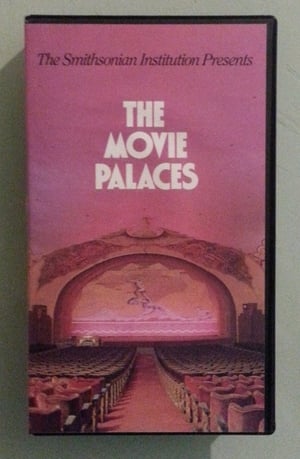
A documentary about the great American movie palaces of the 1920s and 1930s. Filmed on location at some of the extraordinary theaters across the country, the program explores the diverse and priceless architecture of such greats as the Atlanta Fox, the Wiltern in Los Angeles, San Antonio's Majestic, Seattle's Fifth Avenue and, perhaps the most famous, Radio City Music Hall in New York City. Also included are stills and vintage clips of classic movies and newsreels of the era that illustrate the historical evolution and mass appeal of the movie palaces. Picture palace organist Gaylord Carter performs a variety of movie accompaniments.
A documentary which takes a dispassionate look at the "born again Christian" phenomenon, by examining the power source of the fundamentalist movement: the small, tightly knit community church. The program looks at an independent Baptist church outside Worcester, Massachusetts--the Shawmut Valley Baptist Church--and shows the impact of the fundamentalist religion on the lives of several members of the congregation.
Rafael Azcona
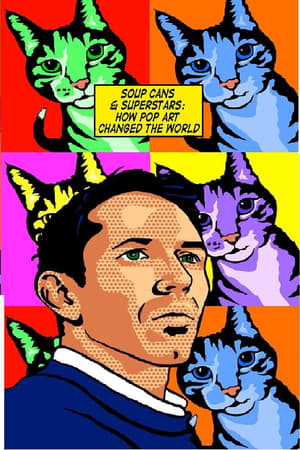
Alastair Sooke champions pop art as one of the most important art forms of the twentieth century, peeling back pop's frothy, ironic surface to reveal an art style full of subversive wit and radical ideas. In charting its story, Alastair brings a fresh eye to the work of pop art superstars Andy Warhol and Roy Lichtenstein and tracks down pop's pioneers, from American artists like James Rosenquist, Claes Oldenburg and Ed Ruscha to British godfathers Peter Blake and Allen Jones. Alastair also explores how pop's fascination with celebrity, advertising and the mass media was part of a global art movement, and he travels to China to discover how a new generation of artists are reinventing pop art's satirical, political edge for the 21st century.
The Underground subcultures in Budapest are an integral part of the diverse and colorful Hungarian culture. The creators of the film - Esther Turan and Anna Koltay - wanted to explore what were the major youth music subcultures in the '90s and 2000s in Budapest. This film is a tribute to the underground subcultures of the city. In these series of films, these grass-roots groups deal with the social impact of their community building power and the role played by Budapest itself in the formation of these groups. The film explores the kind of atmosphere and unwritten rules, what were the dominant places, external signs, and symbols, or who were the central figures and what were the memorable stories. The film guides the viewer from the best bands to the message, from the typical attire to the cult bars. The new generation is a starting point, a complex retrospective of where it originated and why the colorful underground cultural life still characterizes Budapest today.
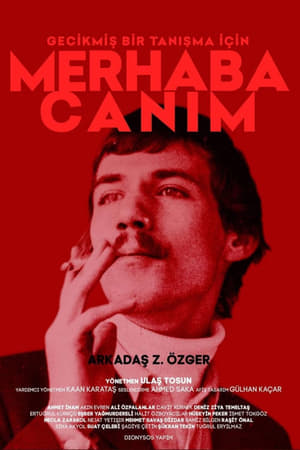
The documentary is titled after Arkadaş Z. Özger’s poem “Hello My Dear” which had caused much controversy in the period it was first published. Considered to be in defiance of heteronormativity, the said poem includes references to the poet’s personality, his family, his relationship to the society, and his “unexpected” death, which came three years after its publication. Today, 50 years after it was written, the documentary follows these same lines in the poem utilising cinematic elements. The documentary also rediscovers the poetics; reaches out to the family, the comrades, the friendships, departing from the official historical accounts, cognizant of his experience of otherness, in pursuit of the “lost” portrait of Arkadaş Z. Özger.
It's 1974. Muhammad Ali is 32 and thought by many to be past his prime. George Foreman is ten years younger and the heavyweight champion of the world. Promoter Don King wants to make a name for himself and offers both fighters five million dollars apiece to fight one another, and when they accept, King has only to come up with the money. He finds a willing backer in Mobutu Sese Suko, the dictator of Zaire, and the "Rumble in the Jungle" is set, including a musical festival featuring some of America's top black performers, like James Brown and B.B. King.
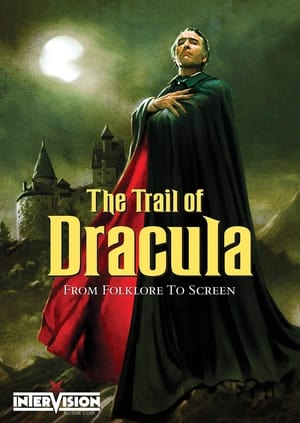
Diabolical. Seductive. Immortal. Vampires have been an icon of evil in folklore and popular culture for more than three centuries, yet only one name still personifies the ultimate aristocrat of bloodlust. Now join the world’s foremost experts on Dracula – including academics, authors and horror historians – as they explore the untold story of the Transylvanian Count, from the legend of Vlad The Impaler and Bram Stoker’s celebrated novel through its landmark stage productions and classic movie adaptations.
This documentary on the effect the talent competition "Afghan Star" has on the incredibly diverse inhabitants of Afghanistan affords a glimpse into a country rarely seen. Contestants risk their lives to appear on the television show that is a raging success with the public and also monitored closely by the government.
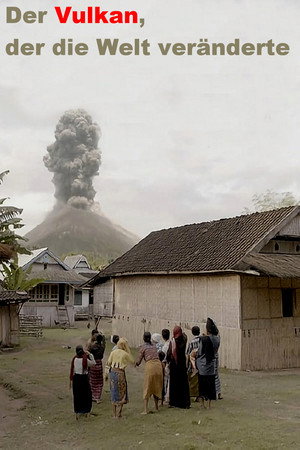
Unlike what people may think, Krakatoa was not the biggest volcanic eruption in history. More than two hundred years ago, on April 10th 1815, Mount Tambora in Eastern Indonesia became a merciless killer. It unleashed the most deadly volcanic eruption in human memory, wiping out at least 117,000 people. And an entire civilization and its language disappeared. But the killing didn’t stop there. It has now been proven that this eruption could have triggered an extraordinary and little known cataclysmic event: worldwide climate change.
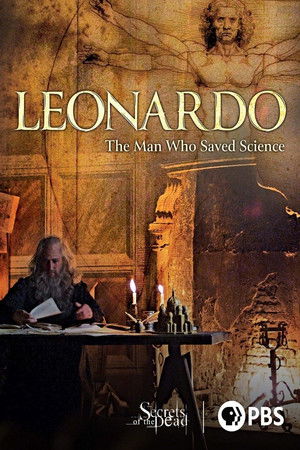
Did Leonardo da Vinci come up with all of his ideas and inventions by himself or did he also borrow some of them from ancient scientists including those who lived 1,700 years before him.
Jeff McBride is a magician, a master of the arts of deception, and a follower of a spiritual path based on a form of magic. As a teenager, he was already appearing on national TV and has since become world renowned among lovers of magic and illusion. He is equally adept at gracing a stage in Las Vegas or Paris, performing a card trick under your nose, and teaching a master class to already accomplished conjurers. He says that real magic is a path to sacred reality.
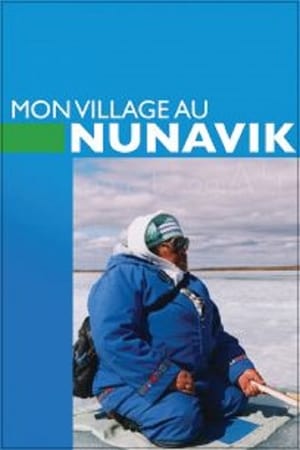
Shot during three seasons, Kenuajuak's documentary tenderly portrays village life and the elements that forge the character of his people: their history, the great open spaces and their unflagging humour. Though Kenuajuak appreciates the amenities of southern civilization that have made their way north, he remains attached to the traditional way of life and the land: its vast tundra, the sea teeming with Arctic char, the sky full of Canada geese. My Village in Nunavik is an unsentimental film by a young Inuk who is open to the outside world but clearly loves his village. With subtitles.
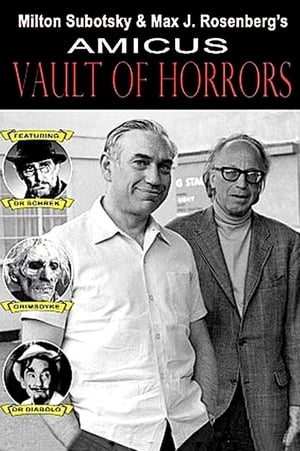
A definitive documentary charting the rise and fall of Amicus film productions.
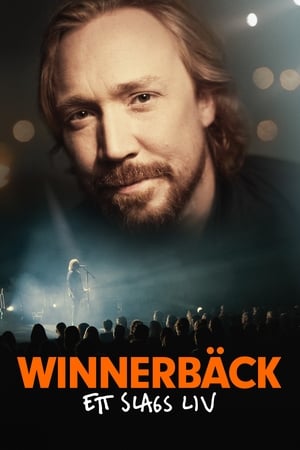
Lars Winnerbäck is one of Sweden's biggest artists for 15 years. At the same time he is one of those we know least about. Now Winnerbäck celebrates 20 years as an artist, despite barely filling 40. This documentary takes us closer to him than ever, while summarizing a musically unlikely career. But most of all, it gives an insight into an extremely complex human being, with all its weaknesses and characteristics reflecting an entire generation's feelings. In addition to Lars Winnerbäck is featured in the film Rolf Lassgård, Per Gessle and Melissa Horn. Director and producer are Øystein Karlsen, who is behind successes like Dag og Lilyhammer.
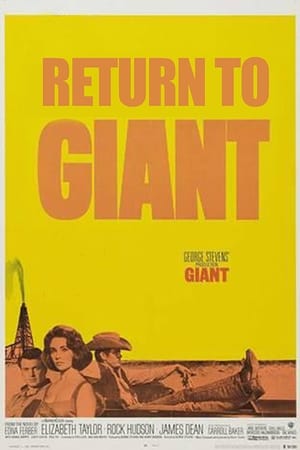
In the summer of 1955, an army of cameramen, lighting techs and movie stars descended on the small, west Texas town of Marfa to film what has become, "the national movie of Texas."
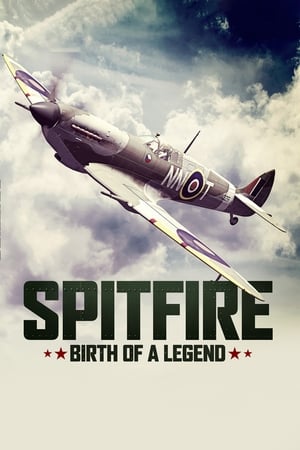
‘Spitfire— Birth of a Legend‘ tells the story of the Spitfire from a radical design on the drawing board to the fighter aircraft that became the symbol of Britain’s determination to fight on to victory. It celebrates the history of this acclaimed aircraft, the men who designed and built it, and those who flew and fought in it. The story, along with dramatic archive and colour film of aerial combat, graphically illustrates the appeal and fascination the Spitfire has maintained since it faced and fought the fighter and bomber formations of the Luftwaffe.
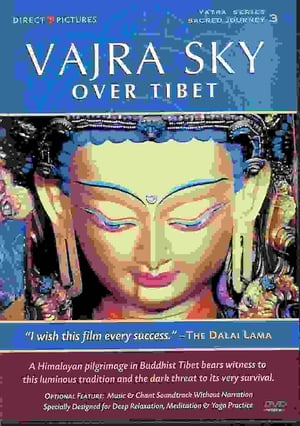
Vajra Sky is a cinematic pilgrimage to central Tibet, bearing witness to the indomitable faith of its Buddhist community and the imminent threat to its very survival. This poignant journey bears witness to the indomitable faith of its endangered Buddhist community and the imminent threat to its very survival. The vastness of the Tibetan sky, reflecting snowy mountains, rushing rivers, and turquoise lakes, leads the journey west. Tibetans respond to the denial of the human right to practice one's religion without interference with a defiant devotion.