This musical comedy produced in 1953 for the General Government of Algeria, features the comic trio composed of Rouiched, Mohamed Touri and Sid Ali Fernandel, accompanied by the orchestra of the master of the Algiers Chaâbi El Hadj M'hamed El Anka, the singer Fadhéla Dziria, Mustapha Skandrani on the piano. Some scenes were filmed at the Summer Palace (the current Palace of the Algerian Presidency, called the People's Palace). André Zwobada, the director, will play an important role after the independence of Algeria in 1962, in the production and preservation of the first Algerian newsreels.
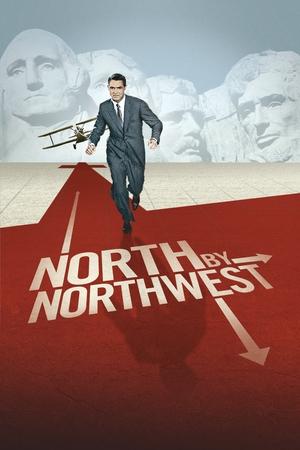
Advertising man Roger Thornhill is mistaken for a spy, triggering a deadly cross-country chase.
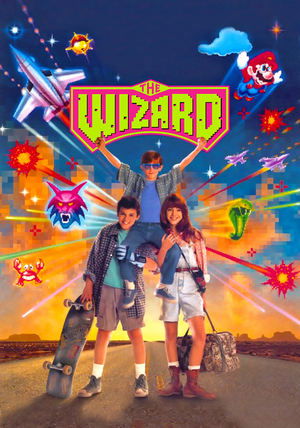
A boy and his brother run away from home and hitch cross-country, with help from a girl they meet, to compete in the ultimate video game championship.
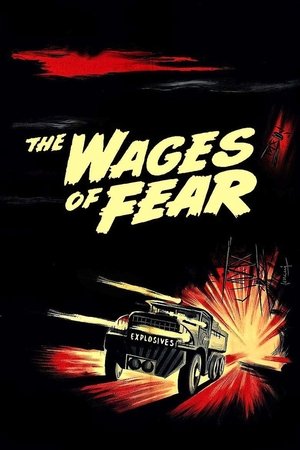
In a run-down South American town, four men are paid to drive trucks loaded with nitroglycerin into the jungle through to the oil field. Friendships are tested and rivalries develop as they embark upon the perilous journey.
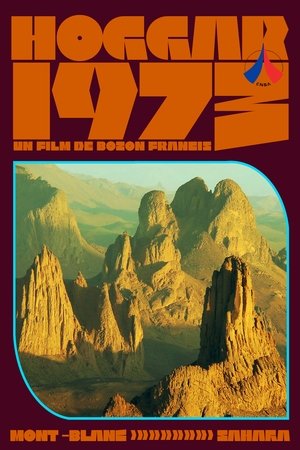
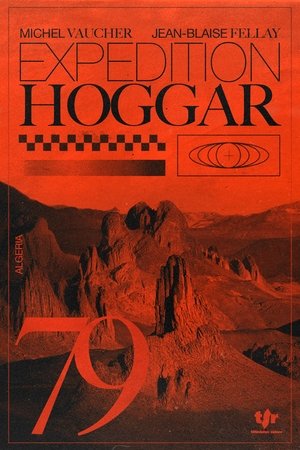
Oversand is one of the first films about free climbing, the third film in a series of three with "Overdon" and "Over-Ice". Directed by Jean-Paul Janssen, the film was shot in 35mm in Algeria, in the Sahara Desert, in the Tamanrasset region, on the walls of the majestic peaks of the Atakor massif, central sub-region of Hoggar, mountainous heart of Hoggar, a volcanic plateau of almost circular shape, whose average altitude is 2000 meters, and which culminates at Mount Tahat (2918m), the highest point in Algeria. The Atakor is distinguished by its spectacular volcanic peaks, its needles, and its rugged landscapes, resulting from the erosion of ancient volcanic chimneys, which make it the most emblematic summits of the Hoggar, such as the Assekrem, the Ilamane, or the Tizouyag, where climbers Patrick Edlinger, Patrick Bérhault, Bernard Gorgeon, Hugues Jaillet, Jacques Perrier, Stéphane Troussier and Odette Schoënleb evolve under the watchful eye of the Tuareg caravans.
Omar, better known as Omar the Strawberry, is an old-fashioned bandit. Forced to flee to Algeria, he makes a living out of petty crime, accompanied by his famous sidekick Roger. After decades of ruling the French criminal underworld, they must come to terms with their new life together, which until now has been one of debauchery and violence.
Three girls go on the road and run into trouble with the people who give them rides.
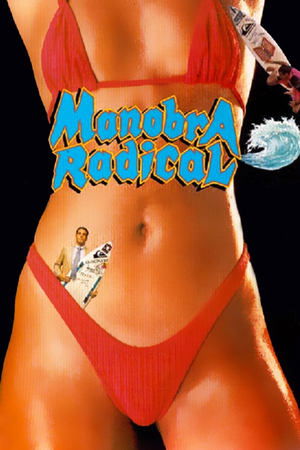
On the eve of an important surfing championship, a group of young friends travels along the Brazilian coast with the intention of training hard and having a chance to become professional in the sport. However, along the way, Guel, a surfer bum, falls in love with a rich girl.
Film about Dahmane El Harrachi, musician, singer and composer of the famous song "Ya Rayah", a cult song covered by Rachid Taha, which will enjoy international success. Virtuoso of the banjo, the work of Dahmane El Harrachi did not initially respond to the canons of the purists of Algiers Chaâbi song. However, he will end up establishing himself alongside great masters of the genre, El Hadj M'hamed El Anka, Boudjemaâ El Ankis, El Hachemi Guerouabi, Amar Ezzahi... He plays his own role in this film shot with his musician friends, just before his tragic death in 1980 in a car accident on the Corniche of Algiers.
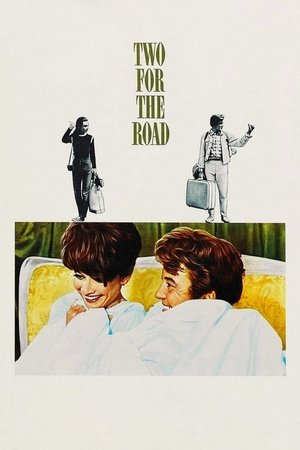
Architect Mark Wallace and his wife, Joanna, travel to France to meet with an affluent client. While there, they reflect on their first decade of marriage -- memories of when they first met, of courtship, and of road trips through the French countryside. As flirtation and playful quarreling turn to boredom with the banality of married life, the Wallaces struggle to rekindle their passion, while mutual infidelity threatens to tear them apart.
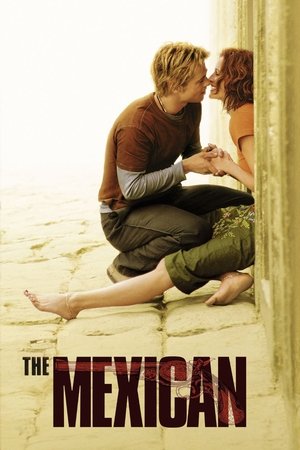
Jerry Welbach, a reluctant bagman, has been given two ultimatums: The first is from his mob boss to travel to Mexico and retrieve a priceless antique pistol, known as "the Mexican"... or suffer the consequences. The second is from his girlfriend Samantha to end his association with the mob. Jerry figures alive and in trouble with Samantha is better than the more permanent alternative, so he heads south of the border.
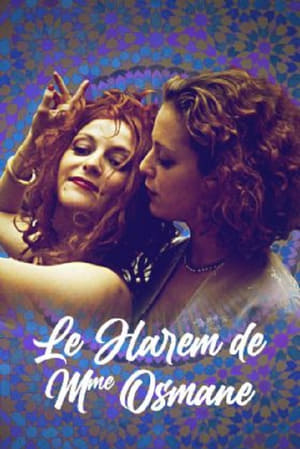
In Algiers in 1993, while the civil war is starting, Mrs Osmane's tenants have to endure her bad temper. Her husband left her and the fear to lose her respectability haunt her. The former member of the Resistance during the Independence War persists in controlling the slightest moves of the households rather than struggle against her own frustrations. Learning her daughter is in love, the possibility of finding herself alone will push her to the limit: The symbolical Mrs Osmane "harem" is about to collapse.
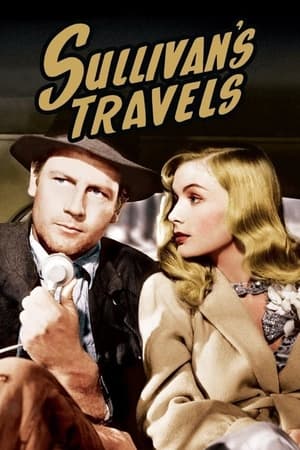
Successful movie director John L. Sullivan, convinced he won't be able to film his ambitious masterpiece until he has suffered, dons a hobo disguise and sets off on a journey, aiming to "know trouble" first-hand. When all he finds is a train ride back to Hollywood and a beautiful blonde companion, he redoubles his efforts, managing to land himself in more trouble than he bargained for when he loses his memory and ends up a prisoner on a chain gang.
After eight years apart, three childhood friends - Lucy, Kit, and Mimi - rediscover their friendship on a cross-country trip. With barely a plan, practically no money but plenty of dreams, the girls catch a lift with Mimi's handsome friend Ben in his convertible. Along the way they not only gather experiences that will change their lives, but they also discover how important it is to hold onto their hearts' desires.
As a boy, Raoul is reared by an Arab tribe in Algerian Sahara. Years later, as a refined Europeanized gentleman, he falls in love with Barbara, an officer's daughter, who rejects him when she discovers his background. Affecting a raid, he captures her and then secretly buys her at a slave auction. When she is rescued by French troops, however, his ancestry is established and they find happiness together.
A father and his son walk alone through burned America. Nothing moves in the ravaged landscape save the ash on the wind and water. It is cold enough to crack stones and, when the snow falls, it is gray. Their destination is the warmer south, although they don't know what, if anything, awaits them there.
Fadila is a short film shot in the Casbah of Algiers during the Algerian War by a young French army conscript with the young Fadila Tizraoui and Djamel Bendeddouche who would become filmmakers after independence. The film depicts the friendship of two children in the streets of the Casbah and their encounter one day in December with Santa Claus... Fadila won the Grand Prix du Cinéma at the 1959 Children's Fair, was awarded a prize by the National Center for Cinematography (CNC) and was successfully exported.
Coy "Cannonball" Buckman and his blazing red Pontiac enter the Trans-America Grand Prix, an underground road race spanning the continent in which there are no rules, no speed limits and no heed for the law. En route, Buckman jockeys with an international ensemble of racers for a $100,000 purse. But there are none more important than Cade Redman, his direct competition for a guaranteed spot on the elite Modern Motors racing team.
Algerian youth of the 1960s, straddling traditional South Mediterranean and Western culture and the desire for emancipation of younger generations to find true love.
The story of the post-independence nationalization of the mill of Monsieur Fabre, an old man attached to the land of Algeria where he was born. In this small town in eastern Algeria, there was nothing else to nationalize and they were actively preparing for the arrival of high dignitaries who would elevate the mill to the rank of an industrial flour mill even though it was threatened with ruin. The comedy gets worse when the football player from the local team withdraws for love, the officials' visit is canceled and Mr. Fabre returns.