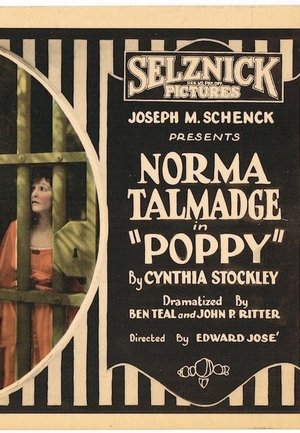
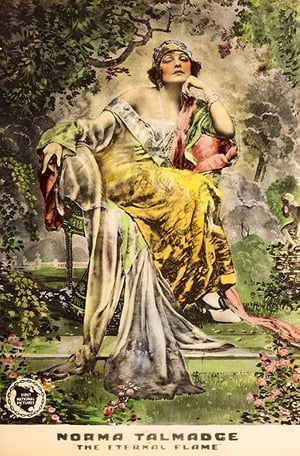
A 1917 film directed by Edward José
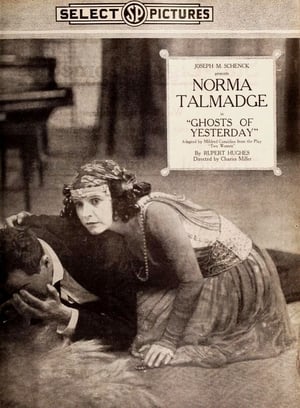
After his wife/model has died of starvation with her portrait unfinished, an impoverished artist meets another woman with a striking resemblance to her.
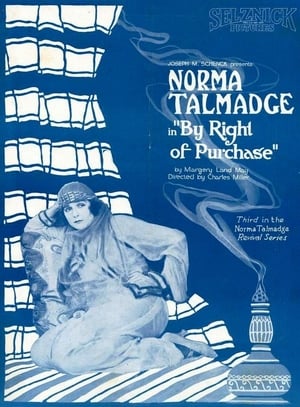
A 1918 film directed by Charles Miller.
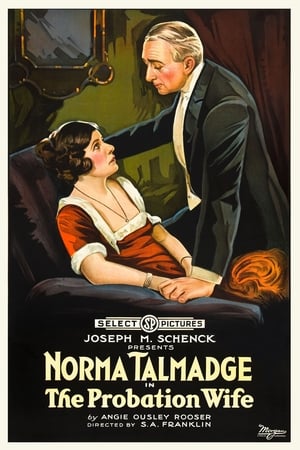
A 1919 film directed by Sidney Franklin.
A 1922 film directed by Frank Lloyd.
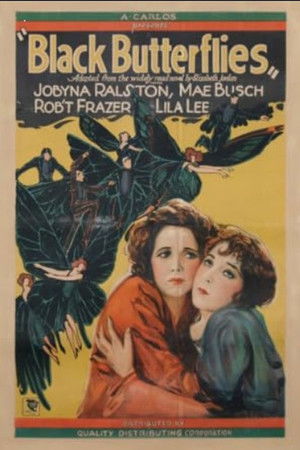
An exposé of the "fake" or "wicked" Bohemian social circles, highlighting the moral consequences of their actions. The film features a "pleasure-seeking" philosophy, evidenced by the intertitle that read, "May we help ourselves to life's pleasures?"
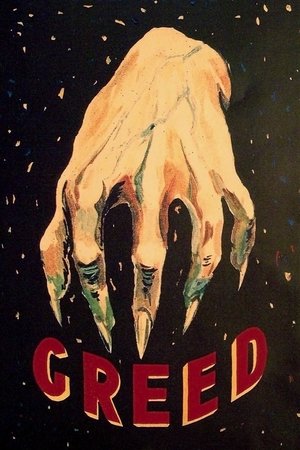
When housewife Trina wins the lottery, her comfortable life with her dentist husband John slowly deteriorates, in part by her own increasing paranoia and partly by the machinations of villainous acquaintance Marcus.
In 19th century Paris a hedonistic woman marries an aristocrat but has trouble keeping faithful to him.
Famous Russian screen actors play themselves in this drama about the lives of actors. Thirteen minutes of the film survive.
Focuses on the suspenseful, intertwined stories of the Chancery court injustices and the scandalous secrets surrounding Lady Dedlock's past. Part of serial Tense Moments from Great Plays.
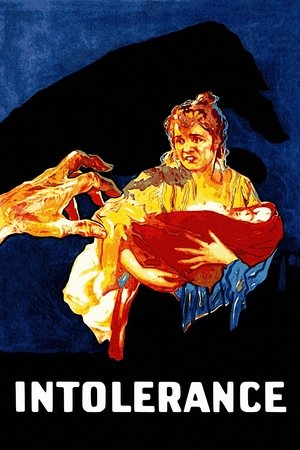
The story of a poor young woman, separated by prejudice from her husband and baby, is interwoven with tales of intolerance from throughout history.
A movie star helps a young singer-actress find fame, even as age and alcoholism send his own career into a downward spiral.
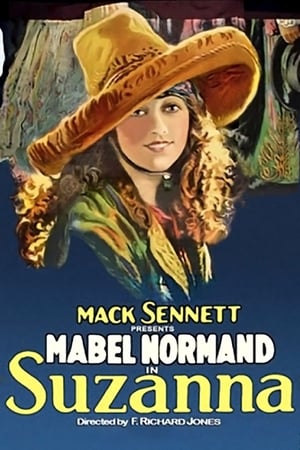
Hoping to consolidate their adjoining ranches, Don Fernando and Don Diego betroth their children, Ramón and Dolores, although Ramón is in love with Suzanna, the daughter of a peon on his father's ranch, and Dolores is interested in Pancho, a toreador. When Suzanna learns that she was kidnapped in infancy and is really Don Diego's daughter, she keeps silent; but Ramón finally rebels and steals Suzanna from the altar as she is about to marry Pancho. There are explanations, Ramón marries Suzanna, and Dolores marries Pancho. Suzanna (1923) has been mastered from a good quality but incomplete 35mm print.
In a futuristic city sharply divided between the rich and the poor, the son of the city's mastermind meets a prophet who predicts the coming of a savior to mediate their differences.
A young girl, Rose Eastmen lives with her lazy Uncle, who works as a janitor in a publishing house. Lacking education, both Rose and her Uncle are susceptible to the socialist ideas of writer Rudolph Creig. One day Rose encounters Jack Steven's the wealthy son of the publishing house, working on his car. She believes he is a common laborer, and begins seeing him. Through her exposure to Jack, Rose begins to realize the rich are not such an abominable people. Rudolph has also reached this conclusion after learning Steven's has published his book. Now with a hefty royalty check and success, Rudolph is able to marry Rose.
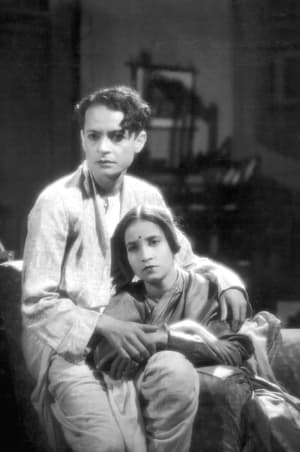
Devdas, the son of a zamindar, and Parvati, his neighbour's daughter, are childhood sweethearts. However, class and caste differences prevent their marriage. Devdas is sent off to Calcutta, while Paro is married off to an aged rich widower. In Calcutta, as remorse drives him to alcohol, Devdas meets Chandramukhi, a prostitute. All Indian prints of this Bengali version were destroyed in a fire that ravaged New Theatre’s studios. Today, only one copy of the film survives which belongs to the Bangladesh Film Archives. Of that copy almost forty percent is destroyed.
A young sailor named John Shreve on the cargo ship Golden Bought falls for a woman, Mary, who is trying to escape the ship's brutal environment and tyrannical captain, Simon Gant.
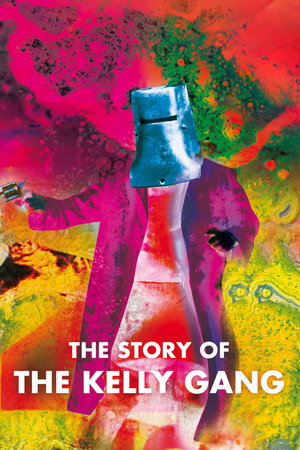
Just as Galeen and Wegener's Der Golem (1915) can be seen as a testament to early German film artistry, The Story of the Kelly Gang (1906) symbolizes both the birth of the Australian film industry and the emergence of an Australian cinema identity. Even more significantly, it heralds the emergence of the feature film format. However, only fragments of the original production of more than one hour are known to exist, preserved at the National Film and Sound Archive, Canberra; Efforts at reconstruction have made the film available to modern audiences.
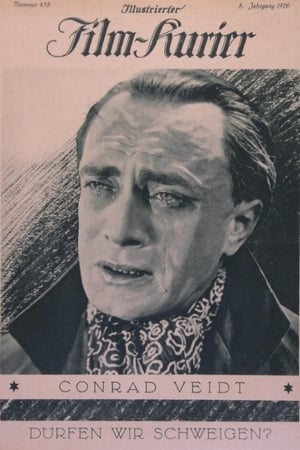
A melodrama about a painter who is infected with syphilis, refuses treatment, turns to the use instead of narcotics, and withers away.
A couple of boy gangs in Budapest constantly fight over the neighborhood turf.