You Gave Me A Song offers an intimate portrait of old-time music pioneer Alice Gerrard and her remarkable, unpredictable journey creating and preserving traditional music. The film follows eighty-four year old Gerrard over several years, weaving together verité footage of living room rehearsals, recording sessions, songwriting, archival work, and performances with photos and rare field recordings. Much of the film is told in Alice’s voice and via interviews with musical collaborators and family members who share the story of Alice and others chasing that high lonesome sound.
In the spring of 1927, after weeks of incessant rains, the Mississippi River went on a rampage from Cairo, Illinois to New Orleans, inundating hundreds of towns, killing as many as a thousand people and leaving a million homeless. In Greenville, Mississippi, efforts to contain the river pitted the majority black population against an aristocratic plantation family, the Percys, and the Percys against themselves. A dramatic story of greed, power and race during one of America's greatest natural disasters.
Set in the North Carolina Appalachians, Sprout Wings and Fly honors the fiddle playing of 82-year-old Tommy Jarrell of Toast, NC. Tommy was quirky, gregarious and generous, and this film shows him at his best, in fine fiddling form.
Tar Steam Princess Armada travels along Lake Saimaa to St. Petersburg and back during the years of Russian rule over Finland. The ship's crew gets tired of their sophisticated coffee maker and replaces her with Roma girl Veera, who has escaped from an arranged marriage. On the way back, mysterious passengers appear on the ship.
An intimate portrait of the acclaimed North Carolina band The Avett Brothers, charting their decade-and-a- half rise, while chronicling their present-day collaboration with famed producer Rick Rubin on the multi-Grammy-nominated album “True Sadness.”
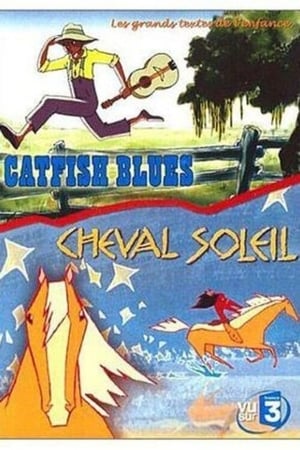
In a small Southern town, a plantation owner is duped into thinking a thief is a kind stranger. To repay the stranger for stopping a robbery, the plantation owner invites him to his home to meet his daughter.
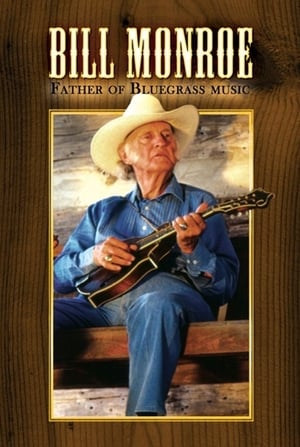
No single figure in American music so dominated a genre as did Bill Monroe with bluegrass. BILL MONROE: FATHER OF BLUEGRASS MUSIC features performances by Bill Monroe & the Blue Grass Boys, Lester Flatt, Emmylou Harris, Paul McCartney, the Osborne Brothers, Dolly Parton, Ricky Skaggs, Marty Stuart, John Hartford and a once-in-a-lifetime Blue Grass Boys reunion featuring Del McCoury, Chubby Wise and Bill Keith. The film features archival footage and rare 1990s performances from Monroe's final years including many of the greatest songs from his six decades of recording.
Fifty years later, and he's still rattlin' the Devil's cage. Charlie Louvin can walk through a crowded mall and not attract attention. But it shouldn't be that way; the humble 83-year-old musician in the cowboy hat and jeans is a true American hero. To start, 50 years ago he and his brother recorded "Satan is Real," an album that shook up the music business. And the life he lived thereafter was pretty radical, too, from his military service to his country to his 61-year marriage to his induction into the Country Music Hall of Fame and Grand Ole Opry. On Friday, December 3, 2010 at the fooBAR in Nashville, we caught Charlie Louvin on stage, making music for his fans, celebrating the anniversary of that famous album. And we filmed the night for history's sake. This is the tribute he so richly deserves.
Humorist Roy Blount Jr. takes viewers on a journey down the Mississippi River, showcasing everything from areas with spectacularly beautiful scenery to ugly and dangerously polluted stretches bordered by industrial development.
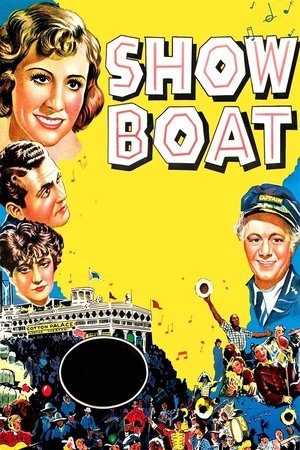
Despite her mother's objections, the naive young daughter of a show boat captain is thrust into the limelight as the company's new leading lady.
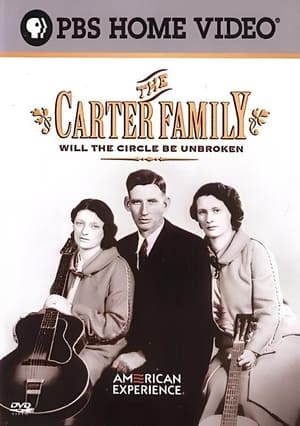
The life and times of The Carter Family, one of the earliest and most-influential group in American country and roots music.
Fronted by one of the most accomplished banjo players of his time, Bela Fleck and the Flecktones are captured live in concert on Live at the Quick. The versatile band performs just over a dozen songs including such radically different compositions as "Amazing Grace," "Big Country," "Hoedown," and the prelude from a Bach violin concerto.
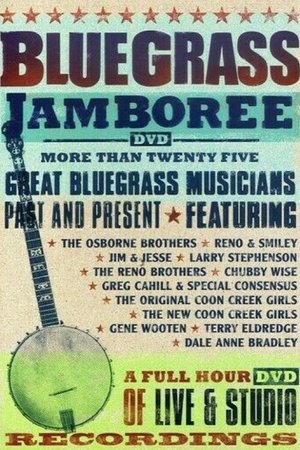
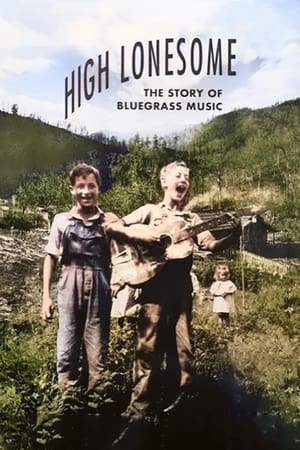
Examine the history of bluegrass music, from its origins to its eventual worldwide popularity, and hear from dozens of musicians who explain the ways bluegrass music transcends generational, cultural and geographic boundaries.
For one historic evening, American music legends Earl Scruggs, Doc Watson, and Ricky Skaggs joined forces as The Three Pickers, to film a concert for public television. The music they made before a North Carolina audience is as relaxed as a front porch picking session. Informed by the skill and good humor of the three master musicians who contributed so much to the creation and evolution of bluegrass music. With special guest Alison Krauss.
This warm 90 minutes documentary shows us unknown blues musicians from Mississippi. They play everywhere : on the streets, in dirty little bars, in a barber shop, in big clubs. The film really captures the true faces of blues and shows us that this music had nothing to do with nostalgia or record company hypes. Documentary on the Delta blues.
A camera crew follows Edward Earl Johnson, a man falsely convicted of rape and murder, during his last 14 days on death row. Everyone involved is interviewed, Johnson himself, his family, the warden, prison guards and other inmates. We also witness the futile attempts by his attorney to save his life.
Longtime fans of bluegrass music and those only recently discovering it will appreciate this documentary on the genre, which was born of a combination of African and Celtic sounds and is the base of American country music. This film traces the musical form from its Appalachian roots to the present. The rise, fall, and consistent revival of bluegrass chronicled through oral history and visual record, resulting in a priceless film that even casual fans are sure to enjoy.
This short Depression-era documentary describes the importance of the Mississippi River to the United States and laments the environmental destruction committed in the name of progress, particularly farming and timber practices and their impact on impoverished farmers.
A young pacifist after refusing on principle to defend her sweetheart's honor and being banished in disgrace, joins a riverboat troupe as a singer, acquires a reputation as a crackshot after a saloon brawl in which the villain of the piece accidentally kills himself with his own gun, falls in love with his former fianceé's sister and finally bullies an apprehensive family into accepting him.
Over 2000 Union soldiers, passengers and crew were crammed aboard the steamboat Sultana, licensed to carry 376. Graft, greed, overcrowding, a poorly maintained boat, and the Mississippi River was swollen with spring snowmelt conspired together to create a disaster. On April 27, 1865, the boat’s boilers exploded, causing the worst maritime disaster in US history.