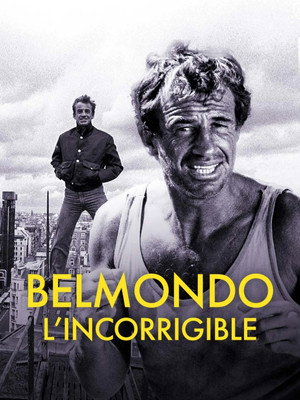
Charismatic and resourceful, seducer and daredevil, Jean-Paul Belmondo has always played his roles as he lived, at a thousand miles an hour. He had only one passion: to entertain the public with his smile, his naturalness, his energy, his stunts. But contrary to appearances, his destiny was full of pitfalls. This film lifts the veil on a founding childhood that allowed him to overcome many obstacles throughout his life thanks to the tutelary figures of his father and mother. Told from the inside with the help of his autobiography, interviews and unpublished archives, this epic story traces the career of this turbulent young actor who launched the New Wave in Breathless before becoming the popular Bebel, an indestructible and provocative vigilante. From film to film, this documentary paints an intimate portrait of a man who built himself up to reach the top: his triumphs but also his trials, his doubts, his secrets, his angers, his clowning, his disappointments or his personal dramas.
102 Years in the Heart of Europe: A Portrait of Ernst Jünger (Swedish: 102 år i hjärtat av Europa) is a Swedish documentary film from 1998 directed by Jesper Wachtmeister. It consists of an interview by the journalist Björn Cederberg with the German writer, philosopher and war veteran Ernst Jünger (1895-1998). Jünger talks about his life, his authorship, his interests and ideas. The actor Mikael Persbrandt reads passages from some of Jünger's works, such as Storm of Steel, The Worker, On the Marble Cliffs and The Glass Bees.
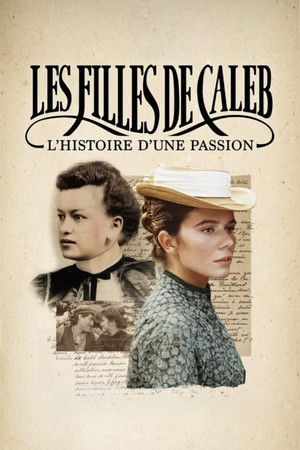
In a brand-new documentary, the actress who portrayed the unforgettable Émilie Bordeleau revisits her memories of filming and analyzes the cultural legacy of this cult saga. By exploring the timeless power of its characters, she testifies to the major impact this work has had on the collective imagination and on the history of Québec television.
This chronicle of the Christchurch Commonwealth Games marked one of the National Film Unit's most ambitious productions. Though a range of events (including famous runs by John Walker and Dick Tayler), are covered, the film often bypasses the pomp and glory approach; instead it dares to talk to the injured and mention that most competitors lose. The closing ceremonies of the "friendly games" feature the athletes gathering to — as the official song's chorus put it — "join together". Four directors joined together to work on it: Arthur Everard, John King, Paul Maunder and Sam Pillsbury.
Director Jack Sholder tells the story behind Renegades (1989)
Documentary about Buster Keaton's The 'High Sign' (1921) and Keaton's developing style.
Short documentary on the making of Buster Keaton's One Week.
Documentary about the development of Buster Keaton's The Haunted House (1921).
Documentary about the Buster Keaton short Hard Luck (1921).
A short documentary on the works of Buster Keaton.
The special effects in The Play House (1921) are discussed.
Ben Model discusses scoring music for silent movies.
The actors in My Wife's Relations (1922) are discussed in this documentary.
This film documents Hollywood's efforts to bolster support for the Allied forces in WWII by creating propaganda films.
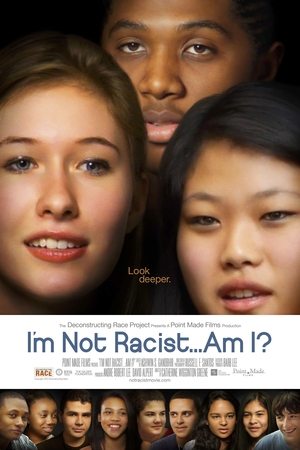
What if this next generation could transcend racism? One year, 12 teens, on a remarkable journey to face racism and white privilege, have the conversations most of us are too afraid to have. Once they push through naivete, guilt and tears, what they learn may change us all.
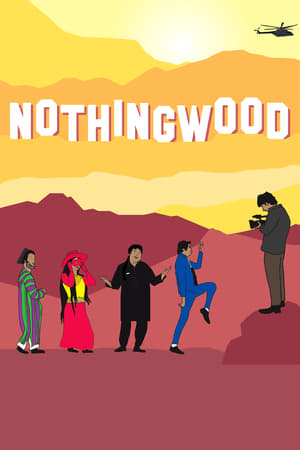
French documentarist Sonia Kronlund follows actor and director Salim Shaheen, an Afghan movie star who produced more than 110 low-budget movies in a country devastated by war.
Bruce Lawton discusses Buster Keaton's The Blacksmith (1922), a film that Keaton had dismissed as a "lesser" work.
A short documentary on Buster Keaton's The Frozen North (1922), regarding how the events of Fatty Arbuckle's trial and William S. Hart's quick condemnation of Arbuckle, were reflected in the film.
Documentary on Day Dreams (1922), a Buster Keaton silent comedy.
The evolution of The Scarecrow (1920) is discussed in this documentary.