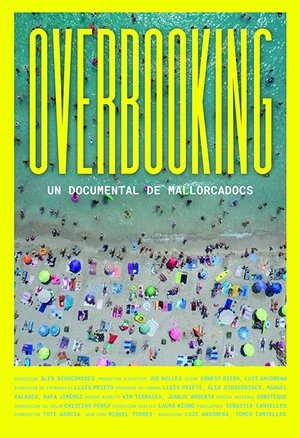
What was once the "Island of Calm" is now on the verge of collapse. Multiple alarm bells are starting to ring. Is this model of tourism sustainable? Could Mallorca become a reference for so many other places suffering from the same problem?
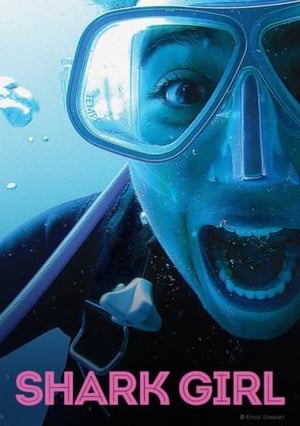
For 20-year-old Madison Stewart, nothing feels safer or more natural than diving straight into shark-infested waters. Since childhood, growing up by the Great Barrier Reef, she's treated these predators as family. But they're vanishing from existence, and because of their bad reputation, few people seem to care. Follow Madison on her mission to protect our sharks, a battle that began when she put her studies on hold, grabbed a camera, and set out to save these incredible, misunderstood creatures.
#SOMOSAMAZÔNIA
Mariana and Xevi work the land from opposite ends of the world. Rooted in agroecology, their projects trace a quiet dialogue between territory, nature and family.
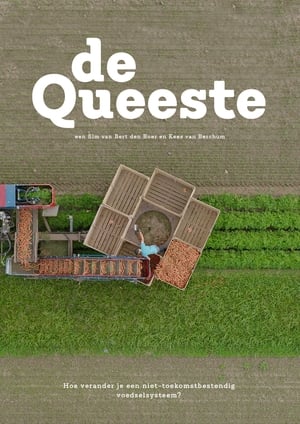
In search of a more sustainable food system, three organic farming pioneers discuss their hopes and doubts with a spectrum of experts and stakeholders.
A Scottish boat builder and fisherman perseveres in turning a vessel into an innovative solar-powered boat.
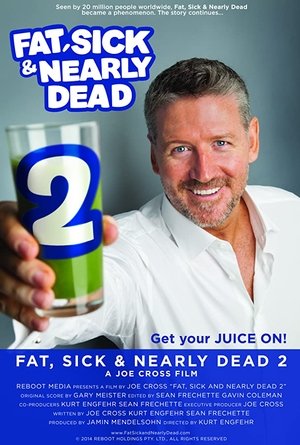
Joe Cross took viewers on his journey from overweight and sick to healthy and fit via a 60-day juice fast in the award-winning Fat Sick and Nearly Dead. With Fat, Sick & Nearly Dead 2, he looks at keeping healthy habits long-term.
Explores the battle between New England's close-knit fishing communities and a coalition of environmental conservationists. Focusing on two women whose lives and livelihoods have revolved around the fishing business, the film illuminates the debate that pits the economic needs of a community against the health of our oceans.
When the Soviet Union collapsed in 1990, Cuba's economy went into a tailspin. With imports of oil cut by more than half – and food by 80 percent – people were desperate. This film tells of the hardships and struggles as well as the community and creativity of the Cuban people during this difficult time.
The plight of small-scale farmers in Africa and Asia forced off their land by an unprecedented corporate land grab. If they refuse they are subject to horrific violence, which has led to women miscarrying and deaths. Exploring the personal stories of those affected, this documentary gives a voice to threatened subsistence farmers throughout the developing world. If your livelihood was ripped away from you, how would you cope?
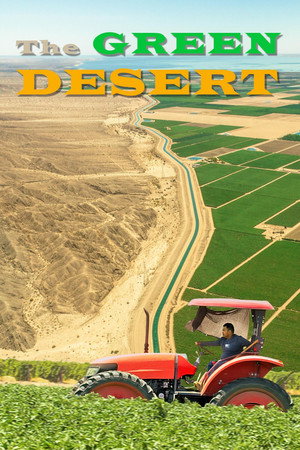
The Green Desert presents a dazzling kaleidoscope of vineyards, date ranches, and bell pepper farms in the Coachella Valley near the Salton Sea. The much larger Imperial Valley harvests leafy greens by the truckload, delivering over 1 billion servings a year. The alfalfa it grows is the bedrock of the food supply chain, making dairy and meat production possible. A total of 90% of the winter vegetables consumed in the US are produced in these two regions. Without them, the nation’s food security would vanish. Both of these regions rely on imported Colorado River water, a resource dwindling by the year. The need for conservation has never been greater, but will desperate measures be enough? The era of limits has been reached. We are at a crossroads. The future of the American West will be shaped by the choices we make.
When the Greenpeace ship Arctic Sunrise set sail in 2013 to protest the first ever oil drilling in the Arctic Ocean, none of the people on board could have known what was coming. Seized at gunpoint by Russian special forces, the 'Arctic 30' were thrust into headlines all over the world, facing up to 15 years in prison and finding themselves at the centre of a bitter international dispute.
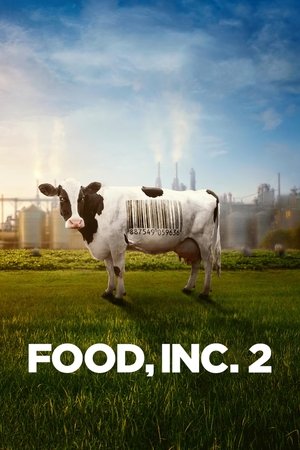
Filmmakers Robert Kenner and Melissa Robledo reunite with investigative authors Michael Pollan and Eric Schlosser to take a fresh look at our efficient yet vulnerable food system.
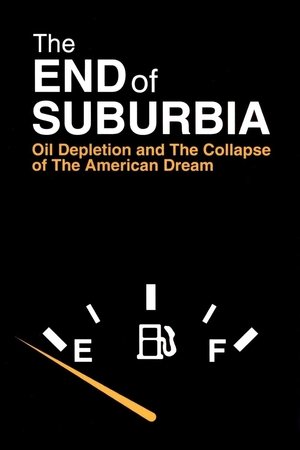
Since World War II North Americans have invested much of their newfound wealth in suburbia. It has promised a sense of space, affordability, family life and upward mobility. As the population of suburban sprawl has exploded in the past 50 years Suburbia, and all it promises, has become the American Dream. But as we enter the 21st century, serious questions are beginning to emerge...
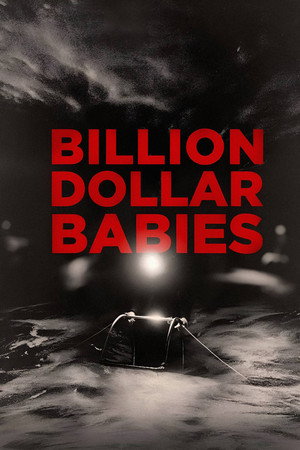
Hidden beneath the surface of the world’s waterways flows one of the most secretive and lucrative trades on Earth — the trafficking of baby eels. BILLION DOLLAR BABIES is a gripping narrative that exposes the billion-dollar global network built on one of nature’s most mysterious creatures — and the blurred moral lines between survival, greed, and conservation. What begins as an investigation into an obscure fishing niche unfolds into a shocking expose of globalised crime and environmental neglect. Despite being listed as a critically endangered species, the European eel has become one of the most valuable commodities on the black market — worth more than cocaine by weight and the most trafficked animal in the world.
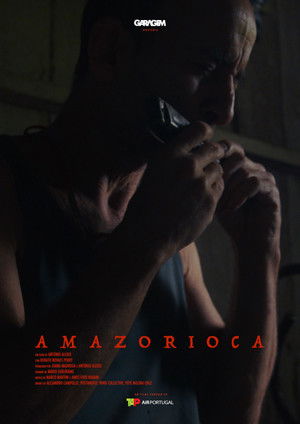
A journey through the Brazilian Amazon, guided by the eyes of Renato, a Carioca turned Amazorioca. A reflection on identity, the legacy of an ancestral territory, and the cost of progress. An ode to the forest and the fragility of what remains.
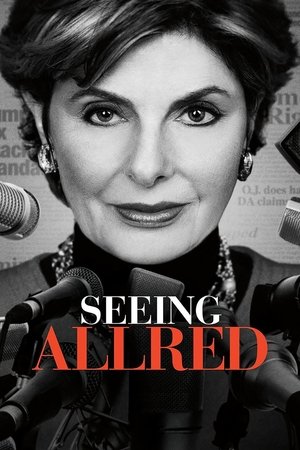
Gloria Allred overcame trauma and personal setbacks to become one of the nation’s most famous women’s rights attorneys. Now the feminist firebrand takes on two of the biggest adversaries of her career, Bill Cosby and Donald Trump, as sexual violence allegations grip the nation and keep her in the spotlight.
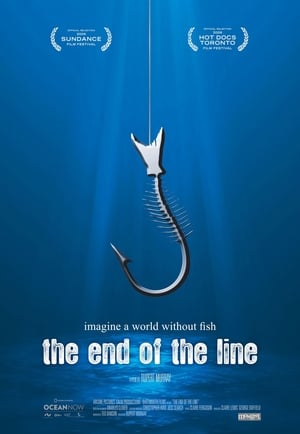
Examines the devastating effect that overfishing has had on the world's fish populations and argues that drastic action must be taken to reverse these trends. Examines the imminent extinction of bluefin tuna, brought on by increasing western demand for sushi; the impact on marine life resulting in huge overpopulation of jellyfish; and the profound implications of a future world with no fish that would bring certain mass starvation.
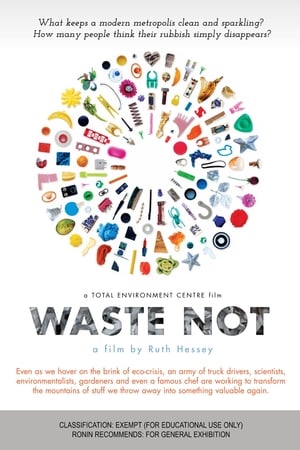
Waste Not is a film about where your garbage goes, who sorts it for you, and what it is worth if it isn't just tossed into landfill. It's easier and cheaper to retrieve gold from old computers for instance, than to dig it up. Organics can be used to create fertiliser and green electricity and yet each Australian sends half a tonne of food waste to landfill each year where it is contaminated with chemicals and e-waste. We recycle only 50% of all our waste. There is an alternative to environmental apocalypse and we don't have to wait for the politicians to make it happen. All we really need to do is be creative and use our imaginations to turn this waste into wealth again. Waste Not talks to scientists, workers at waste depots, environment campaigners, gardeners and even a famous chef about how easy it is to save the planet by simply recycling properly.
Frackman tells the story of accidental activist Dayne Pratzky and his struggle against international gas companies. Australia will soon become the world's biggest gas exporter as more than 30,000 'fracked' wells are sunk in the state of Queensland where Dayne lives. He and his neighbours have unwittingly become the centre of a massive industrial landscape and they have no legal right to stop mining on their land. Dayne embarks on a journey that transforms him from conservative pig-shooter to sophisticated global activist as the Frackman. He meets the people drawn into a battle that is crossing the ideological divide, bringing together a peculiar alliance of farmers, activists and political conservatives. Along the way Dayne encounters love, tragedy and triumph.