A sequel of Oliver Stone-produced conspiracy film "Ukraine on Fire", analyzing the current political backstage and its supposed dangerous potential for the world.
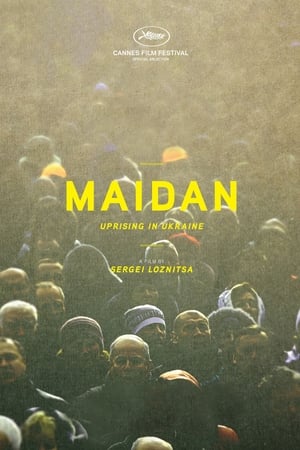
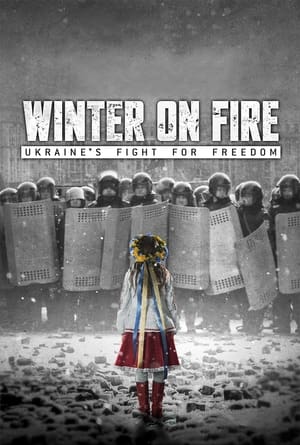
A chronicle of the civil uprising against the regime of Ukrainian president Viktor Yanukovych that took place in Kyiv in the winter of 2013/14. The film follows the progress of the revolution: from peaceful rallies, half a million strong in the Maidan square, to the bloody street battles between protesters and riot police.
Dobropillia is a town located in Eastern Ukraine: 70 km from the border where conflicts with the breakaway republics are raging on and people feel always like being on the verge of total war. The sheer uncertainty about the future pushes folks to cling on to their daily habits while trying to get along with the ever-shifting political landscape. A wide array of wildly diversified characters try to cope as good as they can with the hardships in their town. A death metal band keeps rehearsing daily. A teacher guides visitors through the story of the city. The wonders of a vibrating armchair are tested as a tool against stress and anxiety. An elderly lady who has lost her son tries to talk some sense into her fellow citizens urging them to accept peace.
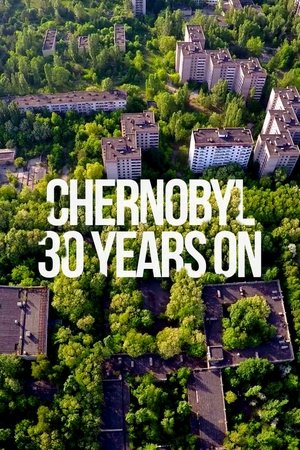
Thirty years after the Chernobyl disaster, which occurred on the night of April 26, 1986, its causes and consequences are examined. In addition, a report on efforts to strengthen the structures covering the core of the nuclear plant in order to better protect the population and the environment is offered.
The movie explores the origin of the Ukrainian language and persecution of those who defended its authenticity. Using examples of other countries, creators of the film prove that a nation cannot exist without a language.
Brutto Nostra
White winter blizzard covers everything. We can rely now only on saints, on our prayers. The future has sailed away, with us left behind. Astray, we did not board the magic ship. The task at hand is simple — not to perish in the fog, not to die from the cold, not to get trapped under the ice. Not to fall in our own snares. Or are we all in one big trap anyway? Running around in a small circle, counting those who vanished.
Hnutove, Donbass, eastern Ukraine, 2015. Young Oleg lives in a war zone where anti-aircraft gunshots and missile attacks often resonate dangerously near. Although many inhabitants have already left this dangerous area, he remains with his grandmother, who has cared for him since his mother's death, because they have nowhere to go. They are just waiting for the war to end.
For the first time, this documentary includes two exclusive interviews with Vladimir Putin and full details about actions in Crimea during spring 2014. These events determined the history of modern Russia. The President talks frankly and openly about the challenges and risks that Russia faced during that time. This film provides the Russian view of the situation. It is impossible to form a complete picture of the world without it.
This mountain region that reaches across several countries in Eastern Europe is the home to gold diggers, wizards, cow herders and old Hassids.
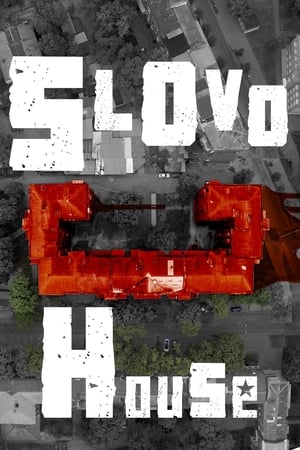
Chain-smoking artists, poets and playwrights were among the colourful array of intellectuals living in the ‘Slovo House’ in 1920s Ukraine. The communist paradise was built under Stalin's approval, but it quickly became a prison. The brutal Soviet regime spied on the inhabitants, destroying their eccentric way of life and sealing their fate. This fascinating film explores the extraordinary story of the building and its residents.
Klitschko tells the captivating story of the boxing worlds most famous brothers: Vitali and Wladimir Klitschko. From the socialist drill of their childhood in the Ukraine, and their first successes as amateurs, to their move to Germany and subsequent rise as international stars on the verge of holding the championship titles of all five boxing federations (Wladimir secured this with his unanimous World Boxing Association win against David Haye on July 2nd, 2011). Along the way they experience defeats and setbacks, low points and triumphant comebacks as well as conflicts with each other. Exciting conversations with companions and opponents, including the very first with the Klitschkos parents, give insight into their personal lives, plus never-before-seen footage of the draining preparations for a fight, and the spectacular boxing matches. Director Sebastian Dehnhardt composes an intimate and fascinating portrait of two exceptional athletes who are, before all else, brothers.
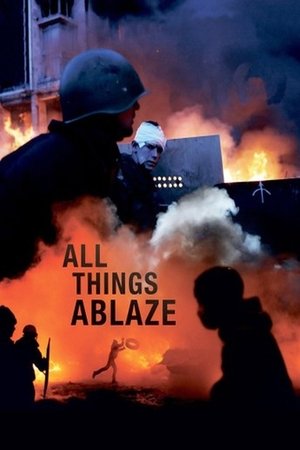
What does the violent heart of revolution feel like? As the anger and hatred glow white hot is there a language its players use to speak to one another? And what becomes of the gun toting authorities when their fiefdom is destroyed, nobody is any longer afraid, and all things are ablaze? Just some of the questions addressed in this visceral documentary from Maidan square in the violent Ukrainian winter of 2013-14.
Documentary follows five young Ukrainians from Donetsk suburbs, Luhansk camps, Mariupol block posts, Kharkhiv oligarch estates, and Maidan Square. Amid referendums, elections, and mass propaganda, their diverse backgrounds reveal how a new generation navigates values, dreams, and turmoil in Ukraine’s East–West crisis.
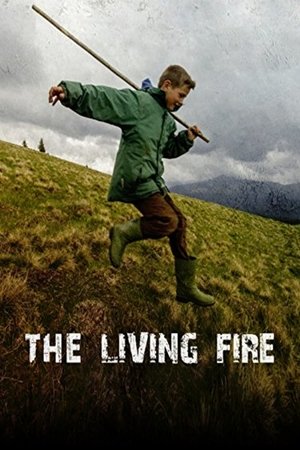
“Lives begin and end, but everything goes back to the earth.” A tour-de-force of cinematography and sound design, this captivating, award-winning documentary looks at three generations of sheepherders in the Carpathian Mountains. While father and son take their flock on their annual journey through the highlands, the 82-year-old widower Vasyl reflects on his past back home. A sublime look at the cycles of life and the waning of tradition.
Over 93 days in Ukraine, what started as peaceful student demonstrations became a violent revolution and full-fledged civil rights movement.
The film looks at people transformed by a democratic revolution, who give up their normal lives to fight a Russian invasion, in a war which has killed 10,000 and displaced 1.9 million Ukrainians.
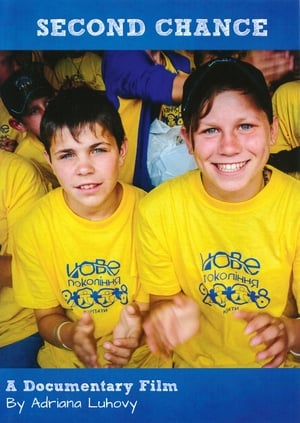
Second Chance tells a story of Ukrainian orphaned children and the Canadian volunteers who spend their summers working along side them. The film follows first time volunteer and filmmaker, Adriana Luhovy, as she learns about the children and becomes witness to their strengths and resilience. Converging in Yaremche in the Carpathian Mountains of Ukraine, over 500 orphaned children come together from all over the country. At first quiet and fearful, they learn to trust one another and their counsellors. By countering heartbreaking statistics - 60% of orphaned girls are trafficked within the first year of leaving the orphanage; 50% of boys end up in jail; 10% commit suicide - the volunteers are dedicated to making a difference in the lives of orphaned Ukrainian children.
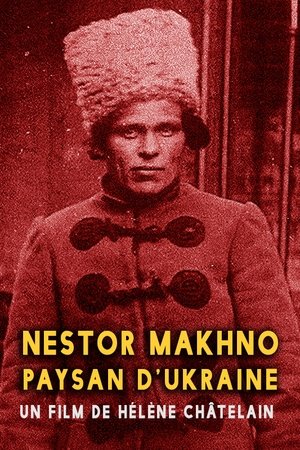
With breathless pace, Hélène Chatelain ("the woman" in "La Jetée") reconstructs the life of Nestor Makhno from his writings, Soviet propaganda films, reactions of workers today and the memory he has left in the hearts & minds of his people in Gouliaïpolié, in the east of the Ukraine.
Embedded journalist Mark Bartalmai shows the Ukrainian war from inside..