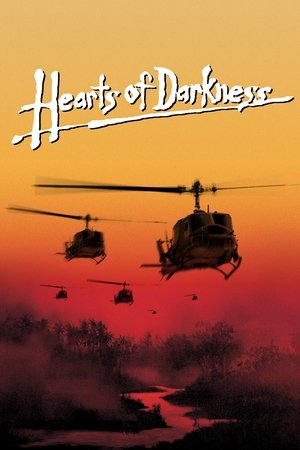
A chronicle of the production problems — including bad weather, actors' health, war near the filming locations, and more — which plagued the filming of Apocalypse Now, increasing costs and nearly destroying the life and career of Francis Ford Coppola.
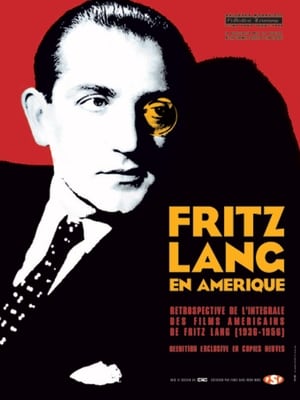
An hour-long discussion between Fritz Lang and Jean-Luc Godard in which they discuss a variety of art forms, the role of the cinema, their collaboration together, and much more. (Filmed in 1964 but released for TV in 1967.)
Four lives that could not be more different and a single passion that unites them: the unconditional love for their cinemas, somewhere at the end of the world. Comrades in Dreams brings together six cinema makers from North Korea, America, India and Africa and follows their efforts to make their audiences dream every night.
The filmmakers and lead actors of The Remains of the Day (1993) discuss how they came to make the film, and the subtle power of its execution.
When the silent cinema learned to speak, the audience was surprised not only by the voices of the actors and the sound effects, but also by a new element, the music, which, combined with the dance and an unprejudiced imagination, gave rise to a new genre, as important to Hollywood cinema as the western was: the musical. A journey through the history of this genre, from its beginnings to the present day.
Teaser promotional documentary made for theaters and exhibitors, shot in 1994 during pre-production to promote the then upcoming James Bond movie GoldenEye (1995).
A short documentary about the press of GoldenEye.
When Forgotten Silver — the story of pioneer filmmaker Colin McKenzie — unspooled on 29th October 1995, in a Sunday TV slot normally reserved for drama, many believed the fable was fact. Controversy ensued as a public reacted (indignant, thrilled) to having the wool pulled over their eyes. Costa Botes, who originated the mockumentary, later made this doco, looking at the construction of McKenzie's epic, tragic, yet increasingly ridiculous story. He interviews co-conspirator Peter Jackson and other pranksters, and they muse on the film's priceless impact.
A documentary about the making of Peter Bogdanovich's screwball comedy "What's Up Doc?" starring Barbra Streisand and Ryan O'Neal.
The fantastic story of how an ancient martial art, Chinese kung fu, conquered the world through the hundreds of films that were produced in Hong Kong over the decades, transformed Western action cinema and inspired the birth of cultural movements such as blaxploitation, hip hop music, parkour and Wakaliwood cinema.
Omnibus: François Truffaut
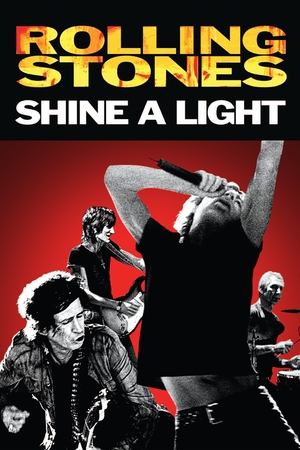
Martin Scorsese’s electrifying concert documentary captures The Rolling Stones live at New York’s Beacon Theatre during their A Bigger Bang tour. Filmed over two nights in 2006 with an all-star team of cinematographers, the film combines dynamic performances with archival footage and rare glimpses behind the scenes, offering a vibrant portrait of the band’s enduring energy and legacy.
In the late sixties, Spanish cinema began to produce a huge amount of horror genre films: international markets were opened, the production was continuous, a small star-system was created, as well as a solid group of specialized directors. Although foreign trends were imitated, Spanish horror offered a particular approach to sex, blood and violence. It was an extremely unusual artistic movement in Franco's Spain.
Paparazzi explores the relationship between Brigitte Bardot and groups of invasive photographers attempting to photograph her while she works on the set of Jean-Luc Godard's film Le Mépris (Contempt). Through video footage of Bardot, interviews with the paparazzi, and still photos of Bardot from magazine covers and elsewhere, director Rozier investigates some of the ramifications of international movie stardom, specifically the loss of privacy to the paparazzi. The film explains the shooting of the film on the island of Capri, and the photographers' valiant, even foolishly dangerous, attempts to get a photograph of Bardot.
A documentary on Fellini’s lost alternate ending for 8½
A tour of the the Exotic Locations of 'Tomorrow Never Dies'.
Brought to life through archival material and the reflections of over 40 colleagues, friends and fans, BLOOD & FLESH is much more than the story of a moviemaking life most unusual. It beautifully captures the worlds of outsider filmmaker communities that existed in California in the ’70s, and the weird ways they intersected with Hollywood mainstream and union indies. On Adamson shoots, regular Orson Welles crew and cinematographers like Gary Graver, Vilmos Szigmond and Lazlo Kovaks worked alongside Bud Cardos — and at one point, Charles Manson! Director David Gregory (founder of Severin Films, director of LOST SOUL: THE DOOMED JOURNEY OF RICHARD STANLEY’S ISLAND OF DR. MOREAU) spent years making this film, speaking to everyone down to the cops who investigated Adamson’s murder, vividly encapsulating both a bold life and tragic demise, with alien conspiracies, go-go dancers and Colonel Sanders coming in along the way. If you’ve got even a passing interest in cinema, you want to see this
A retrospective documentary about the groundbreaking horror series, Friday the 13th, featuring interviews with cast and crew from the twelve films spanning 3 decades.
This promotional short film for "Soylent Green" (1973) begins by showing clips of films that depicted what the future might be like beyond Earth. The narrator then discusses the origin of the idea depicted in "Soylent Green." Director Richard Fleischer and star Charlton Heston discuss how an upcoming crowd scene will be filmed. Then we see what happens when the crowd riots because there is not enough food available to be distributed to everyone. "Soylent Green" was Edward G. Robinson's 101st (and, as it turned out, his last) feature film. During a break in filming, the cast and crew hold a ceremony celebrating the first film of his "second hundred," and Robinson makes appreciative remarks to the crowd. Studio head Jack L. Warner and friend George Burns are among those in attendance.
Documentary about the making of Marcel Carne's 1945 film Children of Paradise (France), interviewing the director, the actors and production designer, as well as other French directors.