The people of Antiquity had little problem with nudity and would not find graphic depictions of sexual acts as morally suspect or obscene. But Christianity changed perspectives, bringing in notions of shame and the negation of the body. This documentary looks at the erotic in art over the last two thousand years.
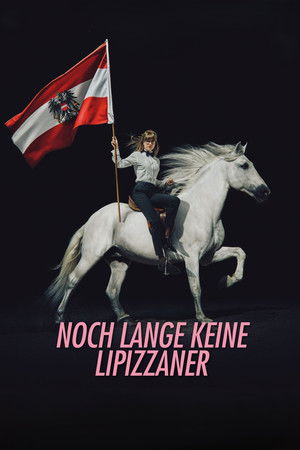
Although director Olga Kosanović was born and raised in Austria, she is not allowed to be Austrian. Her first attempt at naturalization failed. One contemptuous social media comment summed it up: “If a cat gives birth in the Spanish Riding School, that doesn’t make the kittens Lipizzaners.”What notion of identity underlies a legal system that divides society into “us” and “them”? A film about belonging — and about a second attempt.
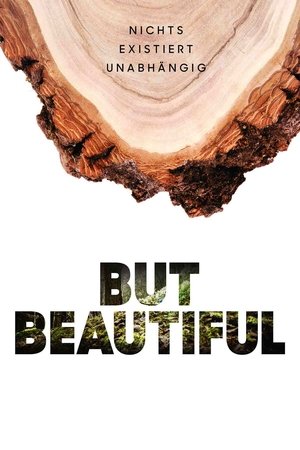
In his new film, Erwin Wagenhofer is looking for the good and beautiful in this world.
Openland is an art film guided by issues surrounding micro states and its derivative definitions. Through intertwining interviews, meta-narratives, and digital landscapes, Openland unfurls a dialogue between consciousness, individuality and collectivity.
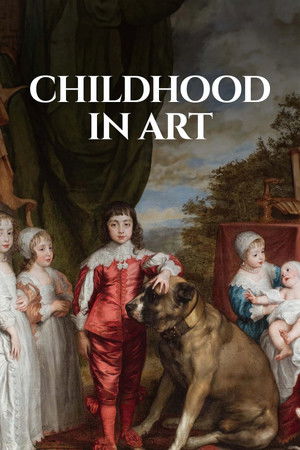
How have the changing views on children been reflected in their representation in art? From Baby Jesus to the first photographic portraits, an exploration of six centuries of art history through the prism of childhood.
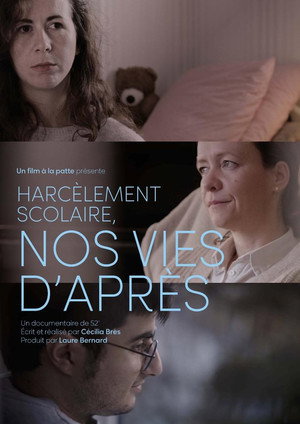
What if we changed viewpoints? "Bullying, our lives after" highlights the suffering of adults who were once bullied pupils. Ten, twenty or thirty years later, trauma is still present. Following Nathalie, Laurine and Samuel, this movie shows the long-term implications of bullying, pointing out a real failure of the educational institution and a major public health issue.
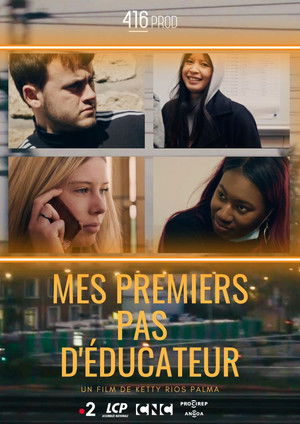
Hannah, Laure, Adrien, and Halima are students at the Regional Institute of Social Work in Paris. Four students among the fifty in the first year of training to become educational support workers. They chose this profession out of commitment and vocation. Between the classroom and their field placements, they will confront their dreams and ideals with the realities on the ground, discover new sides of themselves, and begin to shape the contours of the profession they will practice—each in their own way.
Ivory Coast, the Democratic Republic of Congo, and Senegal – when it comes to love and sex, these African countries are caught between tradition and modernity.
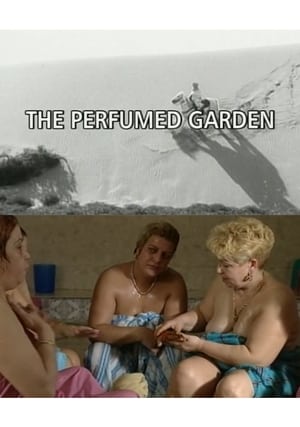
THE PERFUMED GARDEN is an exploration of the myths and realities of sensuality and sexuality in Arab society, a world of taboos and of erotic literature. Through interviews with men and women of all ages, classes, and sexual orientation, the film lifts a corner of the veil that usually shrouds discussion of this subject in the Arab world. Made by an Algerian-French woman director, the film begins by looking at the record of a more permissive history, and ends with the experiences of contemporary lovers from mixed backgrounds. It examines the personal issues raised by the desire for pleasure, amidst societal pressures for chastity and virginity. The film discusses pre-marital sex, courtship and marriage, familial pressures, private vs. public spaces, social taboos (and the desire to break them), and issues of language.
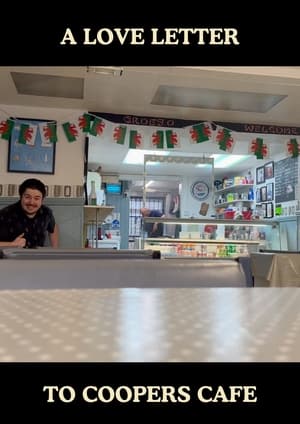
During the summer of 2023, my father decided to hang up the boots and walk away from the family business of 25 years. This is my love letter to the cafe in which my family and I have worked, encapsulating the good vibes and cheery nature the business held for a quarter of a century.
Fifty years after Martin Luther King delivered his “I Have a Dream” speech, a collective of African American filmmakers, artists, and intellectuals reflect on the goals and ambitions of the civil rights movement and where things stand today.
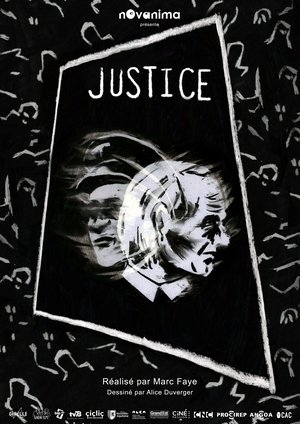
Justice
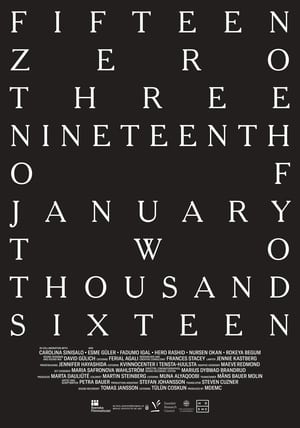
fifteen zero three nineteenth of january two thousand sixteen explores how everyday routines and gestures are transformed when a mother loses her child in the violence impacting Swedish outskirts since the early 2000s. The film resists simplistic media depictions of the suburbs and shows how a home can hold both mourning and the mobilization of women to fight for their own and others' children.
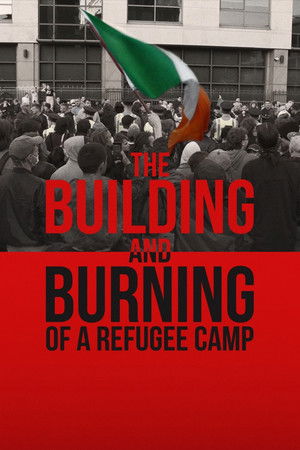
Three men seeking asylum in Ireland find themselves on the streets, caught between restrictive migration policies and an increasingly aggressive far-right movement. Dennis Harvey captures an explosive sequence of events on the streets of Dublin.
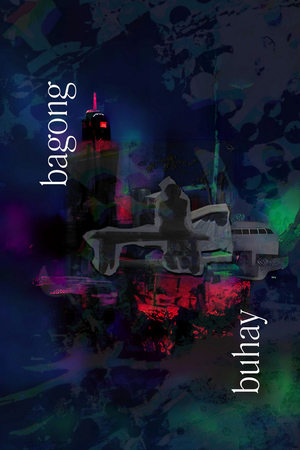
"Bagong Buhay" is a short experimental film that dispels the common belief that packing up and moving to a new place will magically improve one's quality of life. The film challenges this presumption by portraying two contrasting ways of life through objects and locations, encouraging viewers to think critically about the complexities of what makes a better life. In the Philippines, it's believed that relocating to a new area will bring about positive changes in one's existence. True satisfaction is a complex and multifaceted notion, and "Bagong Buhay" encourages us to ponder that relocating to a new place is not a surefire way to attain it.
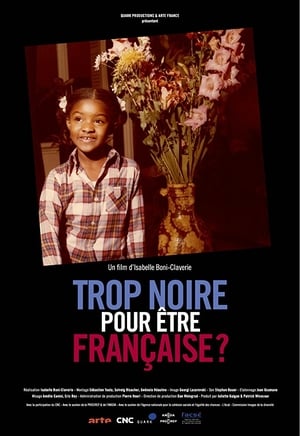
Approximately, because so-called "ethnic" statistics are prohibited, there are an estimated 3.3 million black French citizens. Distant descendants of slaves from the Caribbean or "indigenous" peoples from the French colonial empire in Africa, they constitute a minority that is often discriminated against. Isabelle Boni-Claverie, a mixed-race woman raised in the affluent neighborhoods of Paris, daughter of an Ivorian politician and granddaughter of Alphonse Boni, a Black man who became a magistrate of the French Republic in the 1930s, examines what is blocking the social advancement of Black French people and the full recognition of their citizenship.
The film explores the potential for automation in every sector of employment and questions the integrity of our methods of resource distribution going into the future.
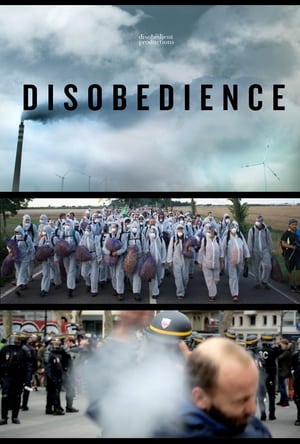
Disobedience tells the David vs. Goliath tale of front line leaders battling for a livable world. Filmed in the Philippines, Turkey, Germany, Canada, Cambodia and the United States, it weaves together these riveting stories with insights from the most renowned voices on social justice and climate. Disobedience is personal, passionate and powerful - the stakes could not be higher, nor the mission more critical.
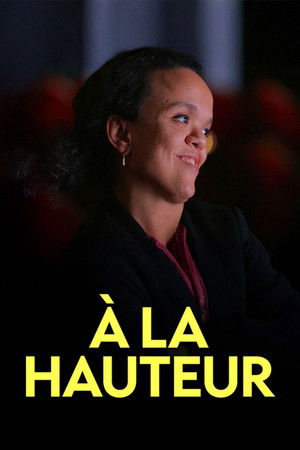
À la hauteur
Social democracy propaganda film about future dreams for Denmark in 1960. Although Denmark is free again, the former opponent and worker, Svend, is disillusioned: "It is all something soft". The dream of the future is incarnated by a young woman, Karen, who shows Svend the visions of a better life in the 'youth's land'. There are homes and a nuclear-powered car for everyone.