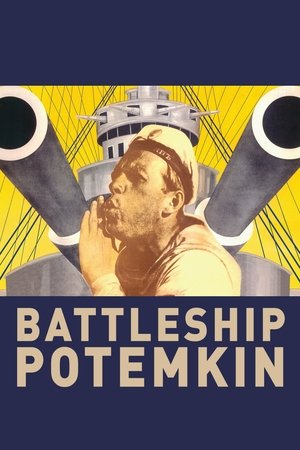
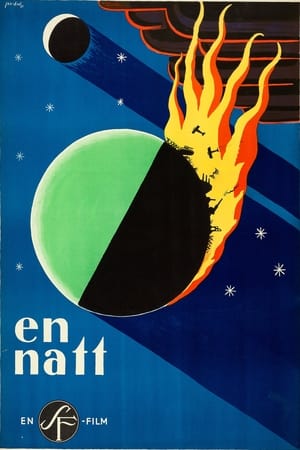
A dramatized account of a great Russian naval mutiny and a resultant public demonstration, showing support, which brought on a police massacre.
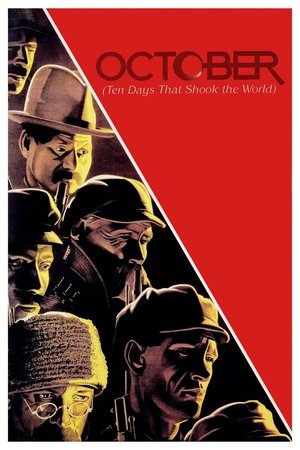
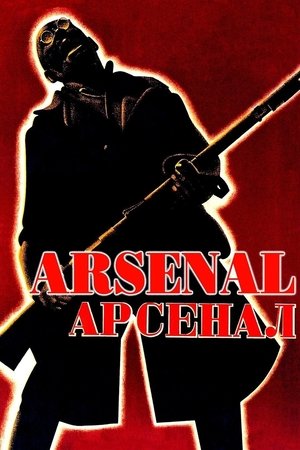
Sergei M. Eisenstein's docu-drama about the 1917 October Revolution in Russia. Made ten years after the events and edited in Eisenstein's 'Soviet Montage' style, it re-enacts in celebratory terms several key scenes from the revolution.
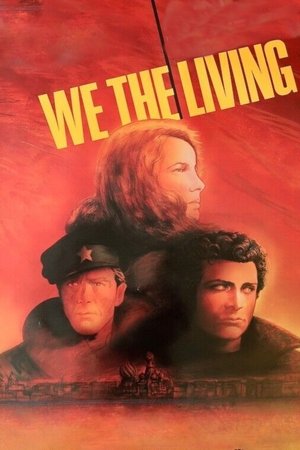
After having been captured in a Crimea during a failed attempt to flee overseas, Leo returns in Petersburg for Kira.
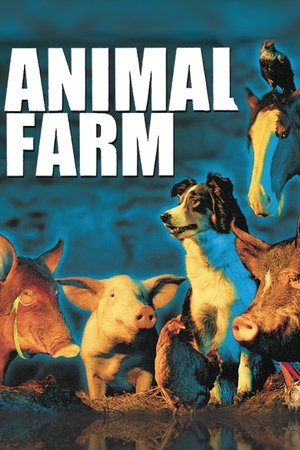
Animals on a farm lead a revolution against the farmers to put their destiny in their own hands. However this revolution eats their own children and they cannot avoid corruption.
Tsar Nicholas II, the inept last monarch of Russia, insensitive to the needs of his people, is overthrown and exiled to Siberia with his family.
An account of the revolutionary years of the legendary American journalist John Reed, who shared his adventurous professional life with his radical commitment to the socialist revolution in Russia, his dream of spreading its principles among the members of the American working class, and his troubled romantic relationship with the writer Louise Bryant.
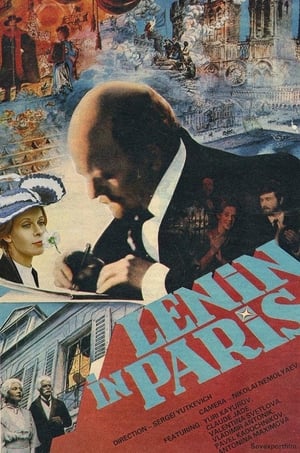
1911. Lenin organizes the first Bolshevik party school near Paris, in the small town of Longjumeau. Through a chain of historical parallels and associations, this time is intertwined with the events of the Paris Commune, the October Revolution and the political struggles of the post-revolutionary years.
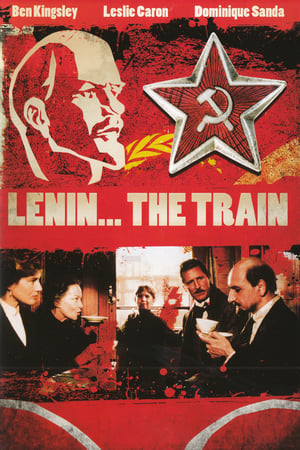
March/April 1917. The first world war is already a couple year to pace. A sealed train with Russian emigrants keeps on driving from Zürich Germany and Sweden to Sint-Petersburg. The outlaws stand under the guidance of Vladimir J. Lenin. Two senior officers support the revolutionary bomb "to ensure that everything runs smoothly. Yet there are some unpleasant clashes between Socialists and enthusiastic workers who are worried about the war. During train travel there comes an end to Lenin's affair with the gracious Inessa, and his wife Nadja is prepared take back him. The triumphant entrance in St. Petersburg will exceed all expectations....
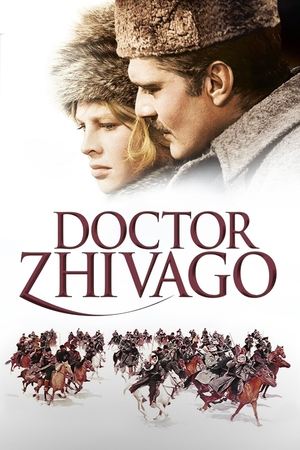
The life of a Russian physician and poet who, although married to another, falls in love with a political activist's wife and experiences hardship during World War I and then the October Revolution.
Starting in 1881 this film shows the personal battle between Lenin's Ulyanov family and the royal Romanovs that eventually led to the Russian revolution.
Emmy Awards nominee for "Outstanding Individual Achievement in a Craft: Research: Multi-faceted portrait of the man who succeeded Lenin as the head of the Soviet Union. With a captivating blend of period documents, newly-released information, newsreel and archival footage and interviews with experts, the program examines his rise to power, deconstructs the cult of personality that helped him maintain an iron grip over his vast empire, and analyzes the policies he introduced, including the deadly expansion of the notorious gulags where he banished so many of his countrymen to certain death.
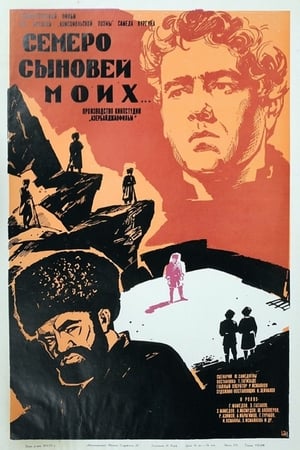
Jan Vacek, a revolutionary of Czech origin, organizes the retreat of communist troops in Baku after the Bolshevik Revolution, following the fall of the local commune...
The last days of World War I, Eastern front. Captain Conan, a lone wolf, a true warrior, leads a band of ruthless French fighters who love hand-to-hand combat; they are not fit for peacetime, they only feel really alive in the chaos of the battlefield.
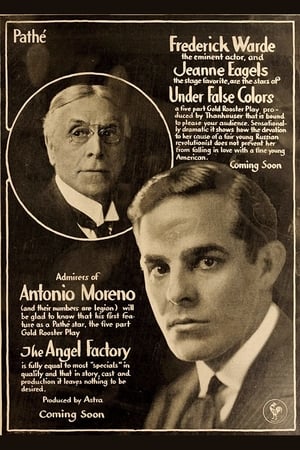
A young Russian woman escapes persecution in her country and makes her way to the United States. Shortly after her arrival she meets an American millionaire, John Colton.
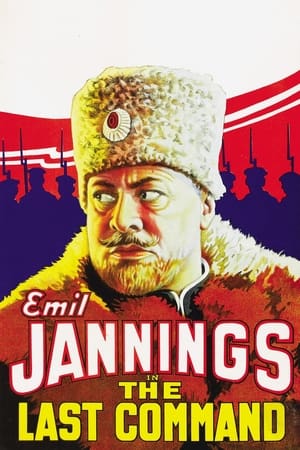
A former Imperial Russian general and cousin of the Czar ends up in Hollywood as an extra in a movie directed by a former revolutionary.
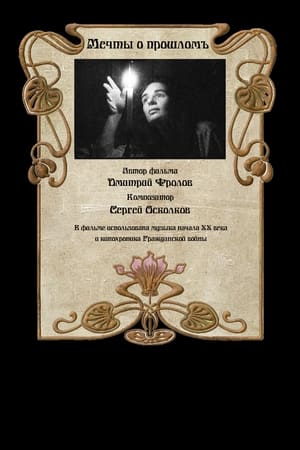
The historical-revolutionary film by Dmitry Frolov, permeated with the romanticism of the revolutionary events of 1917, echoing the moods of August 1991. Since the film was shot the day after the victory over the coup plotters in the USSR in August 1991. All thoughts of the beekeeper - quotations from Lenin's works.
The film was made in the days of the August 1991 coup in Leningrad, USSR . Respecting the manner of a proprietary parallel cinema with the use of hand-held camera . Subsequently, Lars von Trier in his " Dogma " went on the same way , using a handheld camera without a tripod or placing special light. The soundtrack of the film is the soundtrack Emergency Committee appeal for the All-Union Radio August 19, 1991 . The film captured the moment of change red tricolor flag on the roof of the Mariinsky Palace on August 20, 1991.
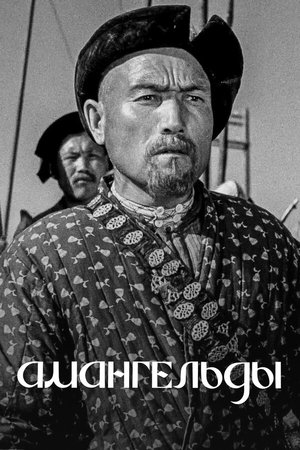
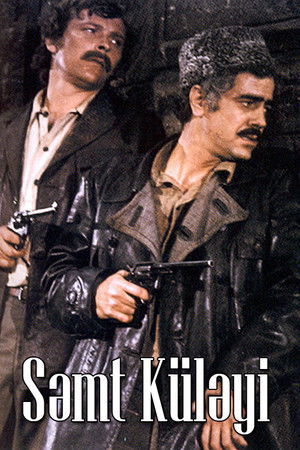
Historical film about the dramatic event in the southern regions of Azerbaijan during the 1917 Soviet Revolution.
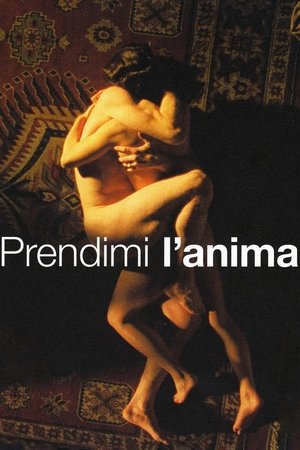
Zurich, 1905. Nineteen-year-old Russian Sabina Spielrein is put by her parents in a psychiatric hospital, suffering from a severe form of hysteria and refusing to eat. A compassionate doctor, Carl Gustav Jung, takes her under his care and, for the first time, experiments with the psychoanalytical method of his teacher Sigmund Freud. Thus is born a sweeping story of love and passion, of body and soul, soaring to the utmost heights, but also plunging to the darkest depths of the 20th century.
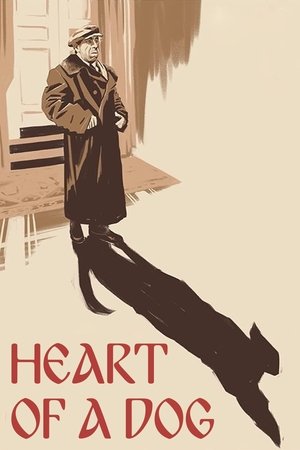
"Heart of a Dog" is a Soviet film adaptation of Mikhail Bulgakov’s iconic novella. Set in 1920s Moscow, it tells the satirical and darkly humorous story of a stray dog named Sharik, who is transformed into a human by Professor Preobrazhensky through a daring medical experiment. The resulting man, Poligraf Poligrafovich Sharikov, embodies the social and ideological tensions of early Soviet society. With its sharp critique of class struggle, human nature, and the perils of radical change, the film is celebrated for its faithful adaptation, brilliant performances, and rich allegorical depth.