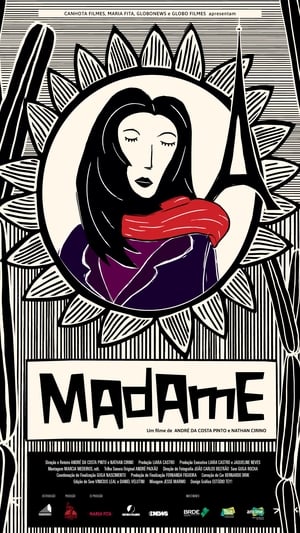
The documentary tells the story of Camille Cabral, Northeastern woman, transsexual, first Brazilian elected in France.
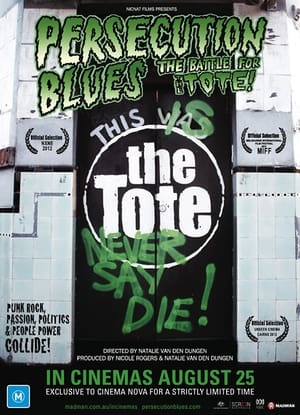
In 2010, the iconic Tote Hotel – last bastion of Melbourne’s vibrant music counterculture – was forced to close by unfair laws. Filmed over 7 years, “Persecution Blues” depicts the struggle of more than 20,000 fans – and the bands who inspire them – to preserve their history and protect their future, and puts the audience on the front line of an epic-scale culture war.
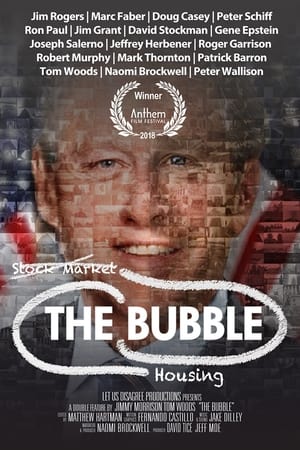
Diving deep into the true causes of the Great Recession, the financial crisis of the 2010s, renowned economists, investors and business leaders explain what America is facing if we don't learn from our past mistakes. Is the economy really improving or are we just blowing up another Bubble?
After the publication of a CD book with the poems of Leopoldo María Panero, musicians Carlos Ann and Enrique Bunbury travel to the Canary Islands to meet the "cursed poet", who is hospitalized in the psychiatric hospital of Las Palmas.
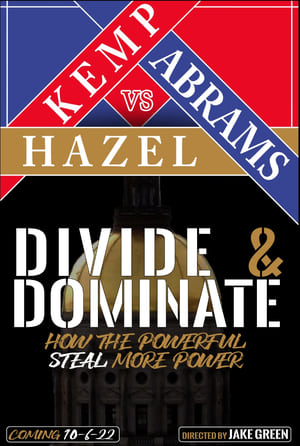
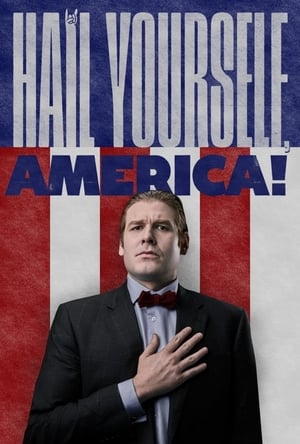
Money, Media, and Legislation. Using these three means, your livelihood is being subverted and coopted by politicians and their cronies... and it's only getting worse. This documentary gives you a front row seat to the methodically planned and perpetual corruption of our "democracy." It's about time we fought back. Go to peacefulseaproductions.com to learn more and explore our other films and media. Featuring: Shane Hazel Spike Cohen Angela McArdle Gerred Bell Martin Cowen Narrated by Robbie Bernstein Produced & Directed by Jake Green Produced by Nikki Tomlinson Animator: Greg Fisher Composer: Geoffrey Burch Title and Credits Songs by Casey Sabol Additional Music by Jay Denton & ENDURE Studios
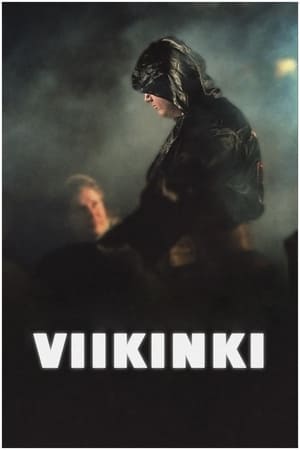
Documentary film about Tony Halme, masculinity and populism. The film follows how Tony Halme created a mythical, highly masculine freestyle wrestling character, The Viking, who gained fame both in the ring and in the public eye and eventually became captivated by it. With his brash speeches, Halme fired the starting shot for the rise of the Finns Party. The voice of a forgotten section of the population, a protest against the ruling elite, were the building blocks of Halme's popularity. Halme's great popularity has served as a good example of a populist figure, admired within the deep ranks of the nation, who comes from outside the political elite and changes the direction of politics. Also, despite - or perhaps because of - his openly racist statements, he was part of changing the political climate in Finland to a more acrimonious one.
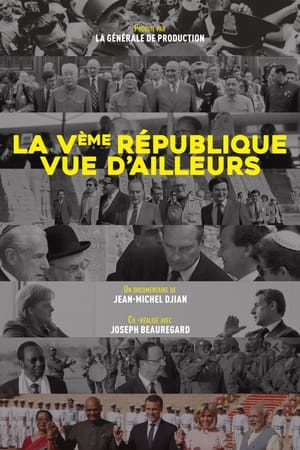
La Ve République vue d'ailleurs : Du général de Gaulle à Emmanuel Macron
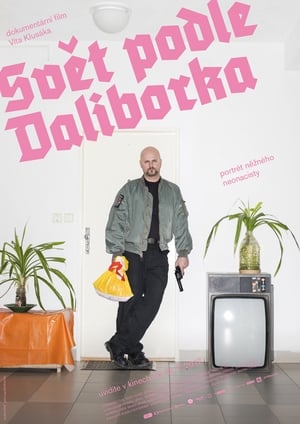
Dalibor K. is an industrial painter, amateur horror maker, the composer of angry songs, painter and a radical neo-Nazi. He is approaching 40, but he is still living with his mother Vera, Aged 63, and is yet to experience the real relationship with a woman. He hates his job, gypsies, Jews, refugees, homosexuals, Merkel, spiders and dentists. He hates his life, but he doesn’t know how to change it.
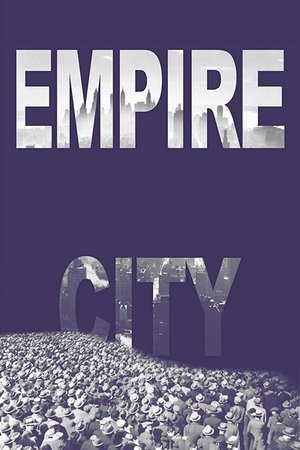
A film essay contrasting the modern metropolis with its "golden age" from 1830-1930, with the participation of some of New York's leading political and cultural figures. Made at a time when the city was experiencing unprecedented real estate development on the one hand and unforeseen displacement of population and deterioration on the other. Empire City is the story of two New Yorks. The film explores the precarious coexistence of the service-based midtown Manhattan corporate headquarters with the peripheral New York of undereducated minorities living in increasing alienation.
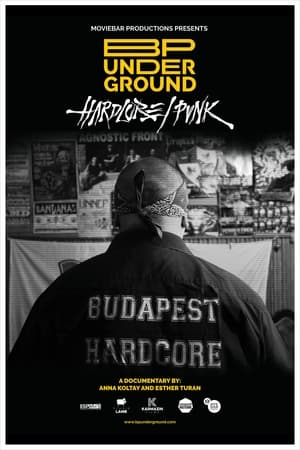
The Underground subcultures in Budapest are an integral part of the diverse and colorful Hungarian culture. The creators of the film - Esther Turan and Anna Koltay - wanted to explore what were the major youth music subcultures in the '90s and 2000s in Budapest. This film is a tribute to the underground subcultures of the city. In these series of films, these grass-roots groups deal with the social impact of their community building power and the role played by Budapest itself in the formation of these groups. The film explores the kind of atmosphere and unwritten rules, what were the dominant places, external signs, and symbols, or who were the central figures and what were the memorable stories. The film guides the viewer from the best bands to the message, from the typical attire to the cult bars. The new generation is a starting point, a complex retrospective of where it originated and why the colorful underground cultural life still characterizes Budapest today.
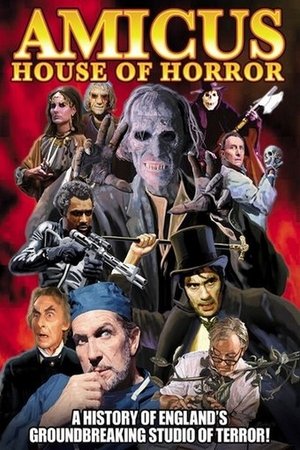
For the first time on DVD, the Alpha Archives Collection proudly presents a two part feature length documentary celebrating the history of the Amicus Productions film company. Founded in the early 1960s by Americans Milton Subotsky and Max J. Rosenberg, Amicus produced some classic (now cult) horror movies, including Dr. Terror's House Of Horrors, The House That Dripped Blood, Tales From The Crypt, Asylum and From Beyond The Grave. Featuring interviews with key individuals who worked for Amicus (actors, directors, etc.), and with many rare photographs and production designs throughout, this documentary is a must-see for fans of British horror cinema.
Kathy's family left on a Saturday morning in 1965. The rumble of bulldozers echoed through the neighborhood, and her block was empty. Federally-funded urban renewal had arrived in Charlottesville, scattering dozens of families like Kathy's. The once-vibrant African American community, built by formerly enslaved men and women who had secured a long-denied piece of the American dream, disappeared.
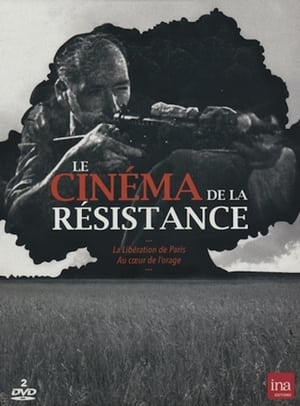
French Resistance's documentary during the liberation of Paris in August 1944.
In 2017, podcaster and comedian Ben Kissel ran for Brooklyn Borough President to stand up for his neighborhood. Facing New York City's political establishment, Ben and his team documented the campaign to show that even in the country's largest city, a "tall man for the small man" can make a big difference!
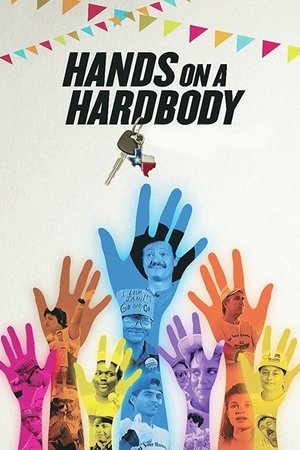
Filmmaker S.R. Bindler profiles Texas contestants trying to win a truck by keeping one hand on it longer than everyone else.
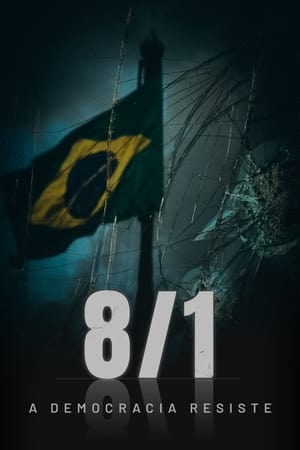
Unpublished images and exclusive testimonies from the main figures in power who tell how they faced the coup threat of January 8, 2023, a recent trauma in the country's history and revealing something that still remains hidden.
Between 1968 and 1970, J M Goodger, a lecturer at the University of Salford, made a film record of the living conditions in the slums of Ordsall, Salford, which were then in the process of being demolished. Under the title 'The Changing face of Salford', the film was in two parts: 'Life in the slums' and 'Bloody slums'.
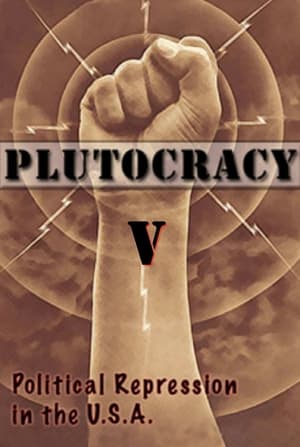
This documentary focuses mostly on the 1930’s to 1950’s – arguably the most important period in modern American history. These decades included the Great Depression, the peak of labor militancy in 1937 (probably the closest the US has come to a popular revolution since 1787), the rise of the “guest worker” phenomenon, the counter-attack against labor unions, the creation of the military industrial complex, the rise of the FBI, the foundations of the civil rights movement, and the purging of radicals from organized labor and public life.
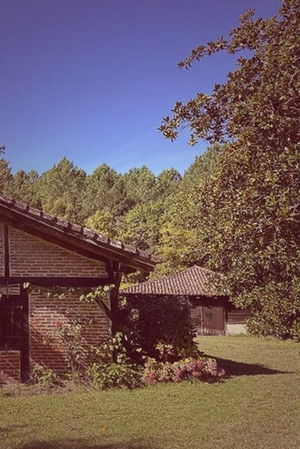
Home to the Mitterrand family since 1965, Latche was the former president's base for three decades. Family, friends, and world leaders gathered there for walks, hours of conversation, and some of the defining moments of the century. There, he was a different François Mitterrand, absorbed by the "spirit of the place," far from the trappings of the Republic. An intimate space, Latche was also a political territory open to the world, a powerful diplomatic asset serving the ambitions of its owner.
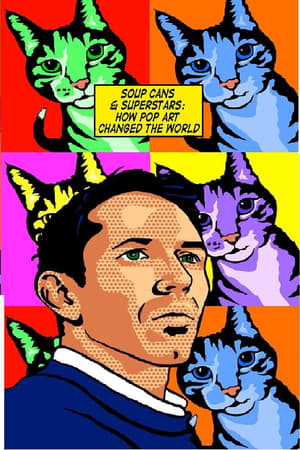
Alastair Sooke champions pop art as one of the most important art forms of the twentieth century, peeling back pop's frothy, ironic surface to reveal an art style full of subversive wit and radical ideas. In charting its story, Alastair brings a fresh eye to the work of pop art superstars Andy Warhol and Roy Lichtenstein and tracks down pop's pioneers, from American artists like James Rosenquist, Claes Oldenburg and Ed Ruscha to British godfathers Peter Blake and Allen Jones. Alastair also explores how pop's fascination with celebrity, advertising and the mass media was part of a global art movement, and he travels to China to discover how a new generation of artists are reinventing pop art's satirical, political edge for the 21st century.