The short film is based on an investigation by Dino Buzzati. It tells the story of Melinda, a mountain girl turned into a witch by her environment and circumstances. In September 1965, Buzzati travelled to Abruzzo (near Teramo, at the foot of the Gran Sasso) on behalf of the newspaper Corriere della Sera, seeking stories for his investigative series titled "I misteri d'Italia" (The Mysteries of Italy). There, he gathered the story of Melinda, a real-life woman (who died in 1962 at the age of 93) regarded by the local community as the last true Abruzzese witch. Buzzati described Melinda not as an evil being, but as a woman victimized by fate and superstition. While Buzzati was fascinated by the magical and mysterious aspects of her tale, Lù Leone reinterpreted the same story in 1976 through a political and feminist lens.
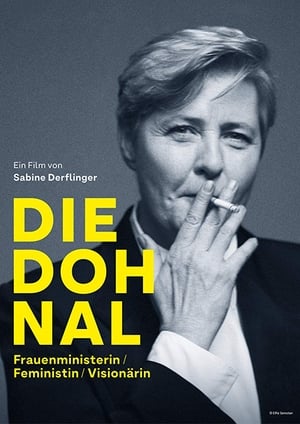
Johanna Dohnal, whose political career spans three decades, was one of the very first explicitly feminist politicians in Europe. As a member of the Austrian socialist government and the first Austrian minister for Women’s Affairs from 1990 to 1994, Dohnal was responsible for founding Austria’s first women’s refuge as well as criminalizing of marital rape. Yet her legacy remains yet to be discovered and re-examined. DIE DOHNAL makes a first step, and it makes Dohnal come alive.
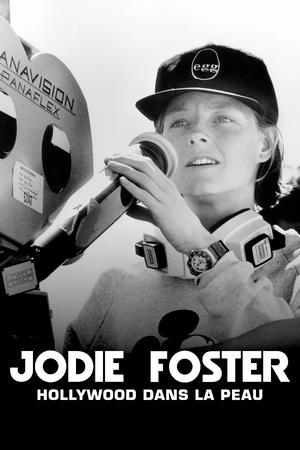
From her precocious status as a sex symbol to her consecration as a filmmaker, Jodie Foster's story is about a feminist struggle, albeit atypical, fought on and off the screen. This film sets out to retrace her remarkable journey within the Hollywood industry.
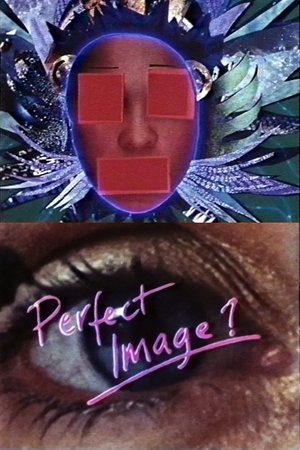
Two actresses take us through a series of 'raps' and sketches about what it means to be beautiful and black.
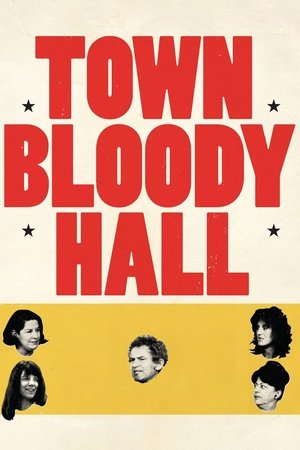
On the evening of April 30, 1971, a standing room only audience of local literati and feminists packed New York City’s Town Hall to watch Norman Mailer, who had just written “The Prisoner of Sex,” grapple with a panel of passionate feminists. The subject was Women’s Liberation, an issue on which Mailer seemed like the devil’s own advocate.
An expository and poetic documentary that invites thinkers and artists from different areas to analyze the construction of images that affect the female body in issues that cross genders.
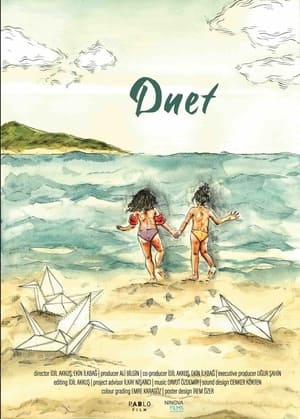
Mısra and Defne are close friends and duet partners who met each other through synchronized swimming. After failing to qualify for the 2016 Olympics, they set a shared goal, the 2020 Olympics. Not too long after, their esteemed coach Natalie is fired by the federation with no explanation. What follows is an emotional devastation and disruption of scheduled practices, which in turn leads to a decline in their performances. Political tremors in Turkey and the global pandemic lead the duet to make a decision on whether to keep the fight or to find new paths in life.
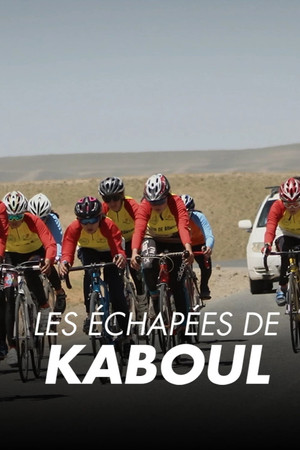
Les échappées de Kaboul
Their documentary is the result of an ethnographic audiovisual research. How to research the theme woman and all the themes that surround it, respecting the place of speech of each one? Based on an interview with eighteen women cultural makers from the interior of São Paulo, we open the way to listening and dialogue on macro-themes permeated by their trajectories. The stories are theirs, but they're ours. Expand the debate about being a woman, about feminism and about our pains and delights, about our contradictions and dreams. The documentary is then a research, an open process of listening, reinterpreting and giving voice to them.
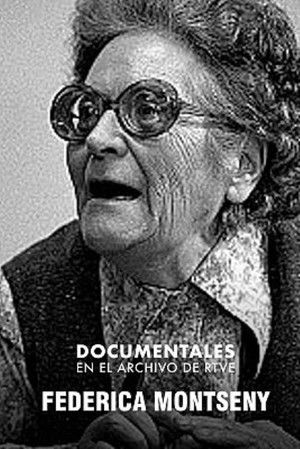
Federica Montseny
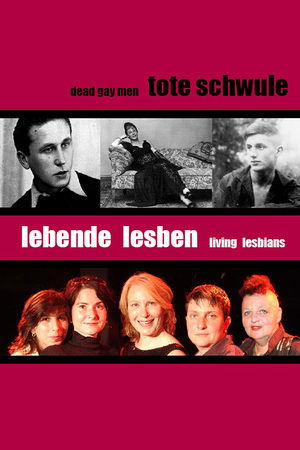
As a result of the Holocaust and later, AIDS, the male homosexual community has sustained bitter losses and, according to Praunheim, lesbian women have now placed themselves at the head of the so-called queer movement. The female protagonists in the film represent two different generations; they also incorporate the past and present status of homosexuals in society.
From a high school art class to a local radio station, the day-to-day lives of several women coalesce into a poetic documentation of women’s presence and physicality across everyday spaces.
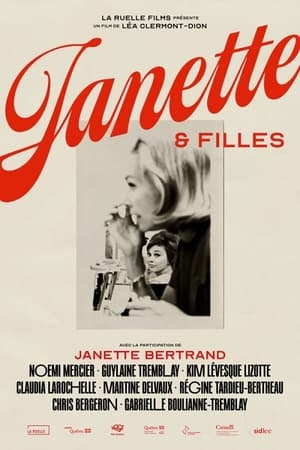
Janette Bertrand, 96, is at the time of the balance sheets. Where are the women, where is the fight for gender equality? An hour of History with a capital H and Love with a capital A, to not forget anything and, above all, never stop moving forward.
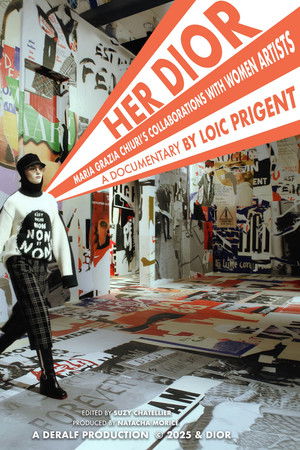
In celebration of International Women's Day, the House reveals "Her Dior", a documentary by Loïc Prigent chronicling Maria Grazia Chiuri's radical collaborations with renowned female figures since becoming Dior's Creative Director for womenswear in 2016. The film charts her journey from Rome to the global stage, distilling the essence of these poignant artistic exchanges in a single word: sisterhood.
Tilburgse Sterke Vrouwen
“Touch one, touch us all” is a slogan of the women who took over the streets in Brazil and organized themselves in social networks to face male chauvinist and conservatism. Through testimonies of women who have been subjected to violence, the documentary reveals that, despite legal achievements, the woman still remains vulnerable. Amongst other deponents are Maria da Penha, Joanna Maranhão, Luíza Brunet, and Clara Averbuck.
Shut Up and Sing is a documentary about the country band from Texas called the Dixie Chicks and how one tiny comment against President Bush dropped their number one hit off the charts and caused fans to hate them, destroy their CD’s, and protest at their concerts. A film about freedom of speech gone out of control and the three girls lives that were forever changed by a small anti-Bush comment
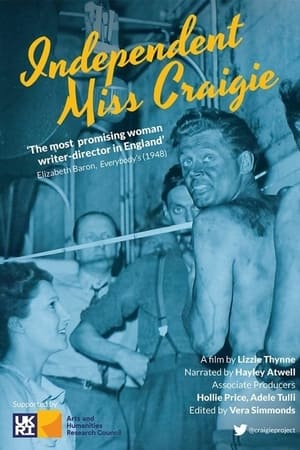
Some time after her death, film director Jill Craigie (1911- 99), re-opens an old suitcase, prompting memories of the extraordinary life and loves of this forceful, charismatic woman, whose work has been long neglected. Craigie was one of the first women to direct documentaries. Working outside the British Documentary Movement in the 1940s and early 1950s, her films such as To Be Woman (1951), on equal pay, and Out of Chaos (1944), the first film about artists at work, featuring Henry Moore and Paul Nash, tackled new subjects for the cinema through a unique blend of drama, polemic and humour. Independent Miss Craigie uses the director’s unseen papers, and her films, to reveal her energetic struggles to get her radical projects made and distributed, including her last one, on the Yugoslav conflict, made when she was 83, with her husband, former Labour leader, Michael Foot.
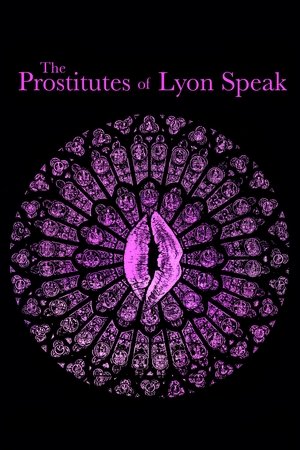
Documentary about the Lyon sex workers who occupied the church of St. Nizier on June 3, 1975.
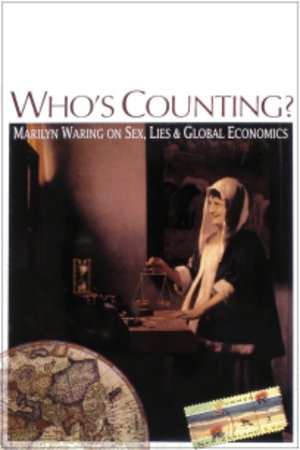
This documentary profiles economist and writer Marilyn Waring. In extensive interviews, Waring details her feminist approach to finances and challenges commonly accepted truths about the global economy. The filmmakers detail Waring's early rise to political prominence and her successful protests against nuclear arms. Waring also speaks candidly about wartime economies, suggesting that government policies tend to marginalize the fiscal contributions of women.