Jo; or The Act of Riding a Bike is Zefier's third film.
Sometimes it takes a loyal and dedicated man to manage an elevator.
In 2011, photographer Tanja Hollander decided to visit each one of her Facebook "friends" (all 626 of them) in their homes and make formal portraits of each of them. Armed with her cameras and iPhone, Tanja traveled throughout the U.S. and around the world for 5 years, meticulously documenting her experiences in real time and creating a historical narrative, both visual and written, along the way. Her project is an exploration of friendships, the effects of social networks, the intimate places we call home and the communities in which we live.
An insight into the work and life of Robert Koch.
David Lynch, Mädchen Amick, Kyle MacLachlan and John Wentworth reminisce about "Twin Peaks" while seated at a diner counter.
Twenty-five films from twenty-five European countries by twenty-five European directors.
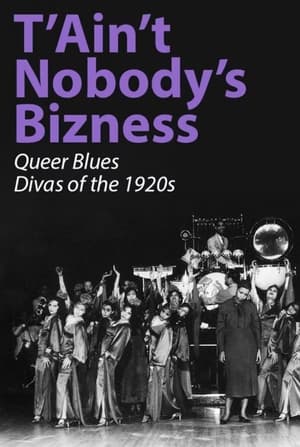
The 1920s saw a revolution in technology, the advent of the recording industry, that created the first class of African-American women to sing their way to fame and fortune. Blues divas such as Bessie Smith, Ma Rainey, and Alberta Hunter created and promoted a working-class vision of blues life that provided an alternative to the Victorian gentility of middle-class manners. In their lives and music, blues women presented themselves as strong, independent women who lived hard lives and were unapologetic about their unconventional choices in clothes, recreational activities, and bed partners. Blues singers disseminated a Black feminism that celebrated emotional resilience and sexual pleasure, no matter the source.
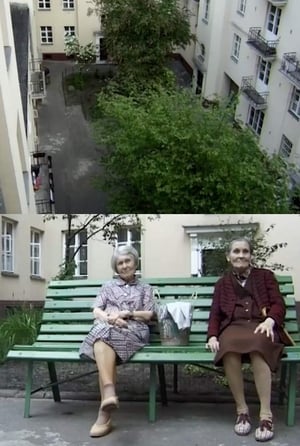
Two old sisters, living in the same Warsaw apartment, sit on a bench and talk. The 87-year-old elder one seems to care for the other reluctantly and treat her badly. The younger, who is said to be clumsier, has walking problems.
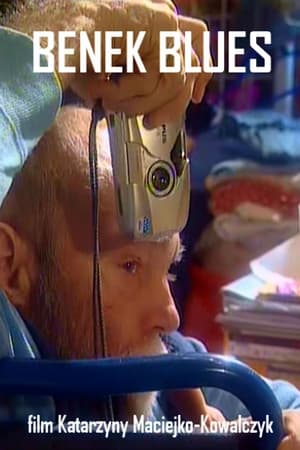
The action is placed in a cramped flat in Warsaw’s district of Ochota. A father and a son, both bedridden, live in a fascinating symbiosis. The son, a well‑known photographer Bernard ben Dobrowolski, is lying in bed because a chronic condition has deformed his body and immobilized him. The father, Dominik, has recently suffered from a stroke. Now they are taking care of each other and crowds of visitors move through their room.
"No Refunds" is a visceral, tangled descent into the transactional dynamics of intimate encounters, told through the language of bodies, sheets, and reflections, where the purchase of queer sex work is laid bare. As the filmmaker simultaneously takes on the roles of client and audience, the boundaries between documentary and performance fade, unraveling the artifice at the heart of sex work and the act of filmmaking.
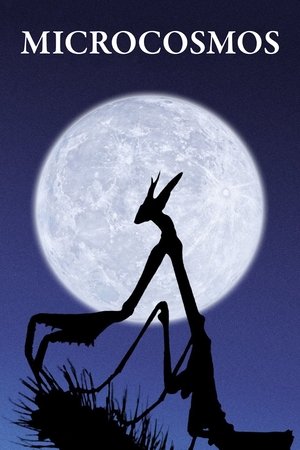
A documentary of insect life in meadows and ponds, using incredible close-ups, slow motion, and time-lapse photography. It includes bees collecting nectar, ladybugs eating mites, snails mating, spiders wrapping their catch, a scarab beetle relentlessly pushing its ball of dung uphill, endless lines of caterpillars, an underwater spider creating an air bubble to live in, and a mosquito hatching.
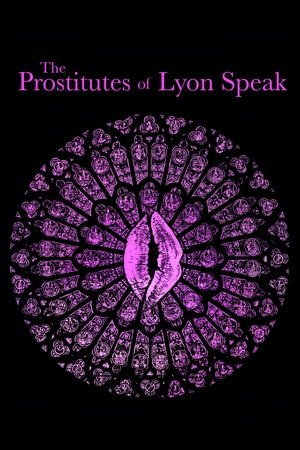
Documentary about the Lyon sex workers who occupied the church of St. Nizier on June 3, 1975.
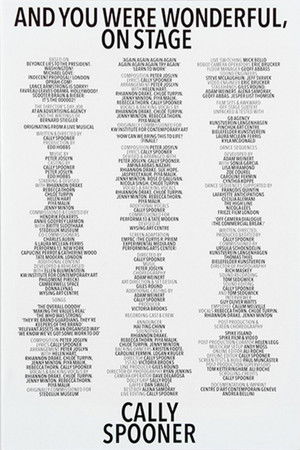
An immersive film installation by Cally Spooner. In this work, a musical for six continuously rolling cameras, a black box soundstage and its inhabitants, are recorded in a single take. The mechanics of the shoot (cameras, microphones, mixing boards, chromakey screens and crew) remain as present as the performers they capture. Cast and crew become a constant-motion human backdrop, pragmatically recomposing scene-changes through lighting cues, voice, body movement, or continuous shifts of filmic apparatus and props. The semblance of a post-production edit arrives through the organisation and orchestration of bodies on set. Delivered by a chorus line of women, the film gossips about various celebrities, athletes and politicians who have outsourced their performances to different technologies.
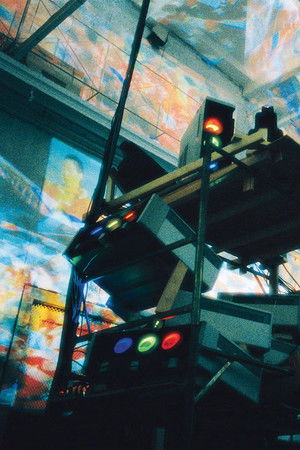
Sistine Chapel is an audio-visual collage of new footage and samples from Paik’s past videos, which featured many of his friends, collaborators, and public figures. It was Paik’s own way of summarizing his artistic career with video. The film installation consists of fast-paced and overlapping images that completely cover the gallery walls and ceiling—one of the most under-appreciated parts of architecture, according to Paik. With its electronic visuals and booming audio, interspersed with periods of silence, the immersive installation stands in stark contrast to the experience of its namesake.
A boy from the desert tries to sell a sand rose in the big city.
Short documentary by Peter Fleischmann
A reader for the Orthodox Church delivers a sermon in snowy northern Saskatchewan.
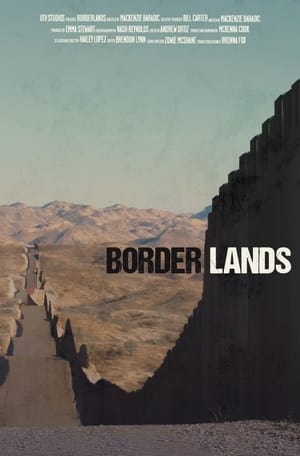
Fleeing the 1980 Civil War in El Salvador, Dora Rodriguez, among a group of twenty-five asylum seekers, were abandoned by their guide and left to fend for themselves in the relentless Sonoran desert of Arizona.
Vārdotājas (Wordsmiths) traces the recent rise of women's stand-up comedy in Latvia, but it is by no means just for laughs. Feelings of discomfort, shame, shock, are just some of the subjects tackled.
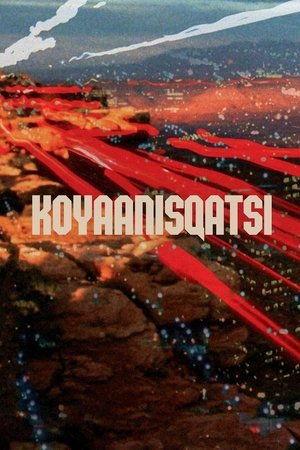
Takes us to locations all around the US and shows us the heavy toll that modern technology is having on humans and the earth. The visual tone poem contains neither dialogue nor a vocalized narration: its tone is set by the juxtaposition of images and the exceptional music by Philip Glass.