Kanichiro Yoshimura is a Samurai and Family man who can no longer support his wife and children on the the low pay he receives from his small town clan, he is forced by the love for his family to leave for the city in search of higher pay to support them.
Down-on-his-luck veteran Tsugumo Hanshirō enters the courtyard of the prosperous House of Iyi. Unemployed, and with no family, he hopes to find a place to commit seppuku—and a worthy second to deliver the coup de grâce in his suicide ritual. The senior counselor for the Iyi clan questions the ronin’s resolve and integrity, suspecting Hanshirō of seeking charity rather than an honorable end. What follows is a pair of interlocking stories which lay bare the difference between honor and respect, and promises to examine the legendary foundations of the Samurai code.
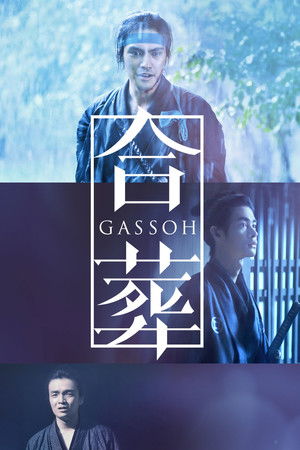
When the brutal Boshin War breaks out in Japan, a group of inmates on death row unite to defend a fortress against the Imperial army.
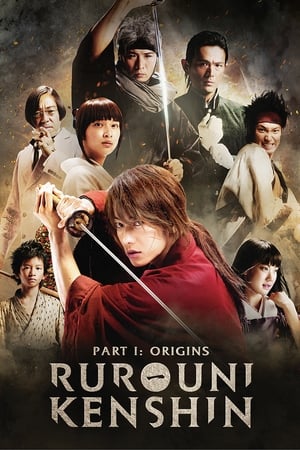
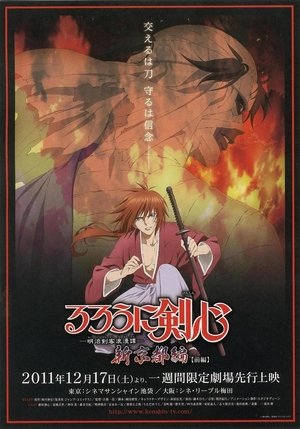
In 1879, Kenshin and his allies face their strongest enemy yet: his former brother-in-law Enishi Yukishiro and his minions, who've vowed their revenge.
After the fall of the Tokugawa Shogunate, there was a series of battles fought while the former supporters of the Tokugawa shogunate retreated to the north where they actually started a sovereign nation that was recognized by more than one European country. Survivors of the Shinsengumi were among the followers of Enomoto Takeaki who took them to the northernmost island of Ezo where they fought their final battle at the star shaped fort, Goryokaku. The Japanese Civil Wars fought in the name of the emperor signaled the complete end of the feudal system and Japan’s entry into the modern world as those brave samurai tried to halt progress and learned that the age of modern warfare and weaponry had passed them by. Swords were no match for rifles and cannons, nor was any man a match for the power of the imperial flag. Japanese loyalty to the emperor has long defined the nation and culture despite the changing times.
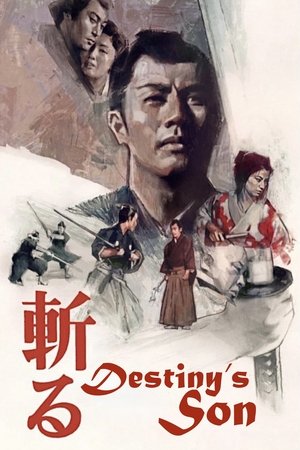
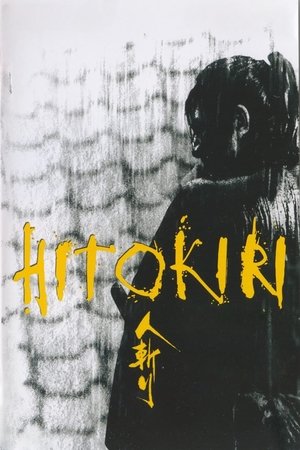
In Edo-period Japan, Shingo is born the son of an assassin who was executed for murdering her lord’s concubine. Decades later, his adoptive family is massacred for keeping the secret. Armed with an unbeatable swordfighting technique, Shingo embarks on the path of the masterless samurai in search of vengeance and a path beyond his own ignominious origins.
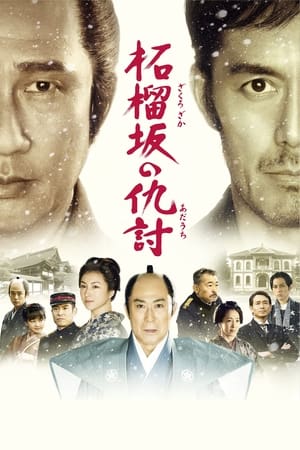
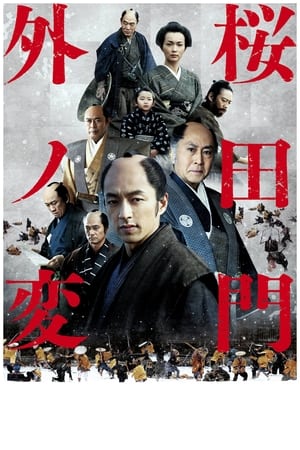
At Sakurada Gate in 1860, the shogun’s chief minister and his retinue of bodyguards are ambushed and annihilated. Bearing the responsibility and shame for this failure is Shimura Kingo, master swordsman and chief of the guard. Forbidden to take his own life in atonement, he is instead tasked with hunting down the remaining assassins; however, fate intervenes and now only one is left. Devoted to his late lord and his duty, he relentlessly pursues the sole remaining assassin for the next thirteen years. But times are changing in Japan and the way of the sword has become outlawed. What does this mean for Kingo?
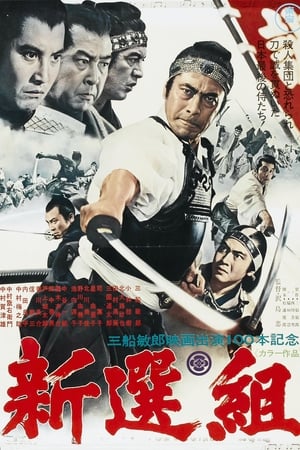
Near the end of the nineteenth century, as the balance of power shifts from Shogunate towards the Emperor, Japan restlessly awaits the dawning of a new age. But not all are content...The Shinsengumi, a small army of samurai, farmers and peasants, band together to do battle against the tide of history. Their leader, Isami Kondo is a man who rises from farmer to fighter to head the fierce Shinsengumi brigade. Using a stern hand and a heart of gold, he rallies his men in defense of the tottering Shogunate. But bloodshed and treachery lurk around every corner.
The ever versatile Kazuki Kitamura stars as masterless samurai Kyutaro Madarame, a feared swordsman who has fallen on hard times in old Edo. Caught between two warring gangs in an epic battle of cat lovers and dog lovers, he begrudgingly accepts the canine faction's offer to assassinate the opposite leader's beloved pet: an adorable white cat. Yet upon raising his lethal sword, he cannot bring himself to go through with the act, and the cat melts his ronin heart. But before finding peace as a newly minted cat person, the still fearsome Madarame will have to take on both gangs in a classic samurai street brawl.
The war against the Tokugawa Shogunate ended years ago. But there are some who are not happy with the outcome. Shigure Takimi watched his friends and family get slashed down in the name of freedom and prosperity. Now he and a band of desparate rebels have sworn to settle one final score. Only one man stands in their way: Rurouni Kenshin. Will the former assassin take up his sword to fight again? When Shigure discovers Kenshin's true identity and his fight becomes a personal vendetta, the young hero will have no choice.
A ronin desperately seeks a way out of financial straits; he allies with the Tosa clan under the ruthless leader Takechi, who quickly takes advantage.
It is a historical drama that follows Katsu Kaishu's efforts to surrender Edo Castle bloodlessly in the first year of the Meiji period.
Japan, 1860. The men of the Mito clan, victims of the Ansei purge, anxiously prowl around the Sakurada Gate of Edo Castle with the intention of assassinating Naosuke Ii of Hikone, tairō of the Tokugawa shogunate and responsible for their misfortune.
Mito Domain Samurai Seki Tetsunosuke must pay the consequences for his role in the assassination of Great Elder Ii Naosuke. Based on true events.
Near the end of the shogunate in Japan, Katsura Shogoro and his fellow samurai from the southwestern domain of Choshu enter the dojo of Saito Yakuro, the famed Shindo Munen Ryu swordsmen of Renpeikan in Edo. Katsura is initially not welcomed by the other, senior dojo followers. Undeterred, he focuses on improving his skill not only in swordsmanship but also learning how to repel the foreign British and American ships that threaten their domain.
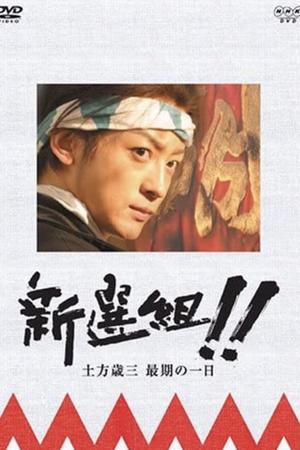
Follows the final days of the shogunate and Shinsengumi's Vice-Comander Hijikata Toshizo along with his fellow anti-imperialist group.
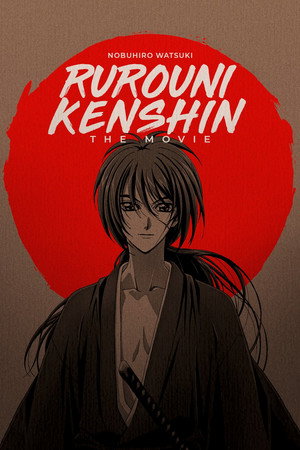
In 1868, after the Bakumatsu war ends, the ex-assassin Kenshin Himura traverses Japan with an inverted sword, to defend the needy without killing.
Set in the 19th century, "Moeyo Ken" follows the life of Toshizo Hijikata. He was the vice-commander of the Shinsengumi and fought against the Meiji Restoration.
In the year 1868, three young men join the elite Shogitai division of the Shogunate. The Shogitai fights to the end and opposes the dismantling of the feudal military dictatorship known as the Bakufu system.
Near the end of Japanese civil war, several disgraced ronin living in Edo's red light district attempt to regain their honor by defending a brothel from a hostile militia bent on wiping out local prostitutes.