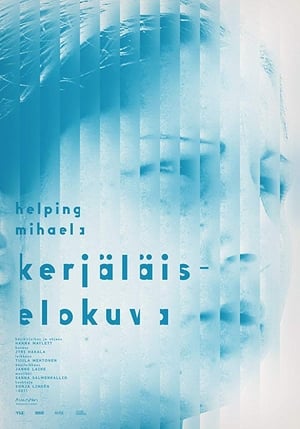
The concept of machine-made knit was known as early as the 1850s, but it was only during the 1920s that the quality of the material had improved. When the plant known as "Atlas" was introduced in 1931, the shop windows drew a lot of attention, and Aho & Soldan was ordered to make a promotional film. In this well-paced film, we see the jersey production step by step.
The AssimiNation is a political pamphlet portraying the indigenous Sámi people fighting for their existence. The film follows the on going cultural genocide of the Sámi which the current Governmental politics allow. This film is a cry for help for the last indigenous people living in the EU.
39-45 L'histoire des bases sous-marines
Finland has long been the promised land for long hair and heavy rock music, however jazz has it’s own place here too! Then again maybe jazz is just the general name we give to music we can’t quite classify. And the original soundscapes brought forth by guitarist Heikki Ruokangas are just that; hard to classify. In Ruokangas’ creations, elements of jazz meld together with the strums and tweaks of modern classic guitars to create an aggressive medley of sound. The end result is a skillful and intense break from traditional guitar song.
For 18-year-old Finnish–Kosovan Fatu, a simple visit to the grocery store feels as nerve-racking as a lunar expedition: for the first time in his life, he’s wearing makeup in public. Luckily his best friend Rai, a young woman on the spectrum of autism, is there to ferociously support him through the voyage.
A documentary from Erkki Karu, one of the earliest pioneers of Finnish cinema: This government-produced propaganda film introduces the nature, sports, military, agriculture and capital of Finland.
A dramatic documentary film that deals with the Nazi rise to power in Germany in the 1930s and the development of the persecution of Jews up to the Holocaust. The film tells about the attitude of the Finnish government to the request for the handover of the Finnish Jews presented by Heinrich Himmler in the summer of 1942. The main focus of the film is the life of Jewish refugees in Finland in the years 1938-1942 and the attitude of the Finnish government to their handover in the fall of 1942.
Sámi artefacts from the Finnish National Museum are returning home to Sápmi, while the holy drums of the Sámi people are still imprisoned in the basements of museums across Europe. The returning objects symbolise the dignity, identity, history, connection to ancestors and a whole world view that was taken from the Sámi people. Director Suvi West takes the viewer behind the scenes of the museum world to reflect on the spirit of the objects, the inequality of cultures and the colonialist burden of museums.
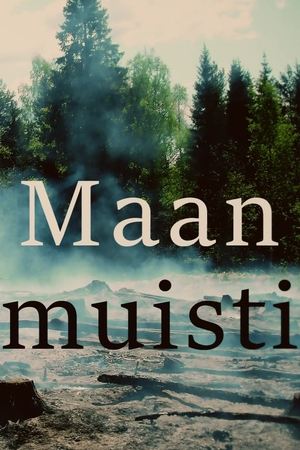
A documentary short on logging during winter season.
Finnish black metal is known for its extreme views and merciless no-compromise approach. As a music genre, black metal often has a strong ideological aspect. Satanic values, glorification of evil and unsolidarity, as well as pure hatred towards Christian and multicultural society, are more than just childish rebellion for the people involved. Eternal Flame of Gehenna examines the phenomena through interviewing the key figures of the moment. It gives a face to a subculture seen as a threat to common safety by Finnish Security Intelligence. In this movie, one will find out about the thoughts of a grave violator, grave robber, and hear what they feel when an old wooden church is burning down. Eternal Flame of Gehenna is also a view on the history and the current state of Finnish black metal, featuring bands like Azaghal, Azazel, Barathrum, Beherit, Enochian Crescent, Goatmoon, Horna, Satanic Warmaster etc.
TV play about the legend of Lalli.
Documentary about medium strength beer in Finland.
A documentary about Antti Jalava, a Swedish-Finnish writer who was among the first to write about the immigrant experience in Sweden.
During the Continuation War, there were dozens of POW camps in Finland. About the third of 70,000 prisoners died during the first year of war. Most of the archives of the camps were destroyed and the majority of the war crimes were never revealed.
Acclaimed Finnish director Rauni Mollberg made several scandalous yet widely appreciated films. Former co-worker Veikko Aaltonen’s eye-opening documentary The Dinosaur looks at the relentless, often disturbing directing techniques behind Mollberg’s art and success.
A People’s Radio – Ballads from a Wooded Country is a carnivalesque portrayal of the Finnish landscape of the soul and abode. The short film is based on the iconic YLE programme “People’s Radio”, and its visual material has been created by the road movie method of driving across summery Finland. The film paints a panorama of what Finland looks like today. Its narration progresses through humour into civic anarchy, ultimately also towards the longing for human connection.
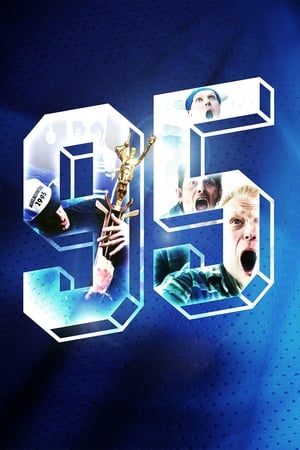
Set in the final weekend of the year 1995 Ice Hockey World Championships, 95 tells through overlapping stories why Finland became a ice hockey world champion and how it affected the whole nation.
Tracking missing socks in the European Union.
A father of four children gets brutally stabbed several times, with the children present in the family home. During the brutal action, his wife – Anneli Auer – is on the phone to the emergency center. Emergency Call – A Murder Mystery is a documentary film tracking down the story that unfolds after the fatal night. We hear from all emerging sides as the prosecution builds its case against the mother of four. A behind the scenes look into one of the most bizarre unsolved court cases in recent Finnish history.
Goodbye Tornio is a vivid depiction of being young, fearlessly following your dreams and figuring things out on your own as you go. Eighteen-year-old Vilma celebrates her graduation from high school, with toasts from loving parents and parties with best friends, before leaving her hometown in Lapland and moving to the big city.