Revealing details about how Manchester City Football Club is trying to dodge UEFA and PL fair play regulations and how the corruption suspicions around the club's owners and UEFA unfolds, leaving the UK as last option of conviction.
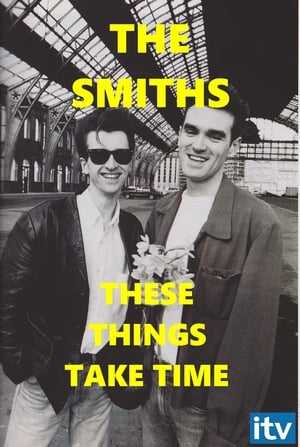
A documentary about The Smiths.
Student life told in chronological vlogs over first year.
An in-depth feature film all about the boy himself Damon Gough and the legacy of his Mercury Prize winning album The Hour of Bewilderbeast, eighteen years after its original release in 2000.
Documentary about the selling off of remnants from legendary Manchester nightclub The Hacienda.
A look at the number of canal deaths in the Manchester Region.
A look at the homeless problem in Manchester
Undercover reporter Mark Daly reveals racism among police recruits in Manchester, England.
Documentary looking at the career to date of Peter Kay, from Bolton schoolboy to award-winning, record-breaking comic, actor, writer and director.
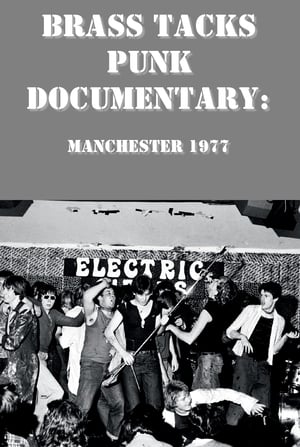
Brass Tacks was a current affairs programme shown on BBC2 between 1977 and 1988. On this episode called Punk Rock, broadcast on 3rd August 1977, it focuses on the Manchester Punk scene, bands and its iconic club, The Electric Circus.
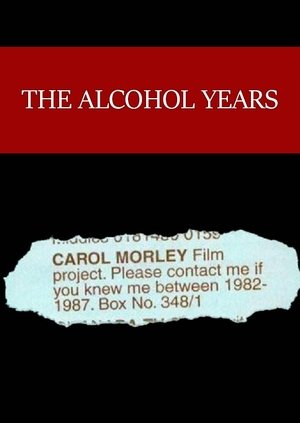
Carol Morley returns to Manchester, where in the early 1980s, five years of her life were lost in an alcoholic blur. The Alcohol Years is a poetic retrieval of that time, in which rediscovered friends and acquaintances recount tales of her drunken and promiscuous behavior. In Morley’s search for her lost self, conflicting memories and viewpoints weave in and out, revealing a portrait of the city, its pop culture, and the people who lived it.
A look at the series of events on a night in May 2017
Terrific portrait of Bobby and Jackie Charlton, pillars of football history, at the height of their playing careers.
A documentary on the events when a bomb went off at the Ariana Grande concert.
Illustrates the reconstruction and electrification of the main railway line between Manchester and Sheffield. Showing the plan for the modernisation and re-equipping of British Railways. This film was produced for televising by the BBC during the evening that the plan was debated in parliament.
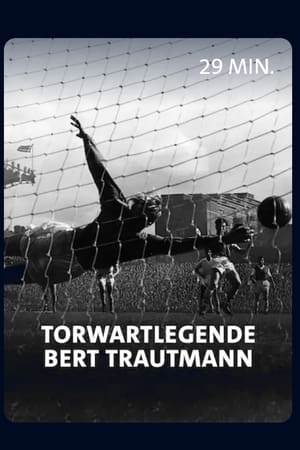
How could a German Wehrmacht soldier become a celebrated soccer idol of the Britons in the post-war period? The documentary by Radio Bremen shows the moving life story of the soccer star of the 1950s in a torn Europe and how an enemy became a friend. With his legendary appearance in the English Cup Final 1956, in which he played until the end despite a broken neck, Bert Trautmann set up a memorial for himself in the history of sport. Already in the same year, he is chosen as England’s footballer of the year, and by his club Manchester City even as best player of all times. Bernhard “Bert” Trautmann is one of the most popular and best-known soccer players in England.
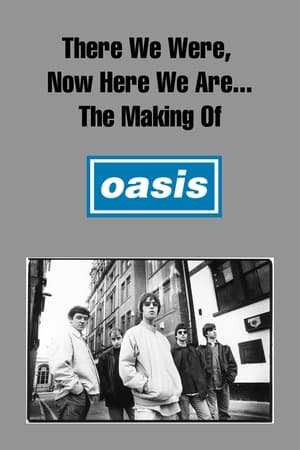
A documentary made for television that looks back on the development and rapid rise of Oasis from being a band practicing nightly in the Boardwalk to one the biggest British bands of the last thirty years. Building from the formation of the band (with Liam apparently just fed up waiting for other bands to release records and decides to do something himself), the film uses contributions from key people really well to tell the story in an engaging way.
Between 1968 and 1970, J M Goodger, a lecturer at the University of Salford, made a film record of the living conditions in the slums of Ordsall, Salford, which were then in the process of being demolished. Under the title 'The Changing face of Salford', the film was in two parts: 'Life in the slums' and 'Bloody slums'.
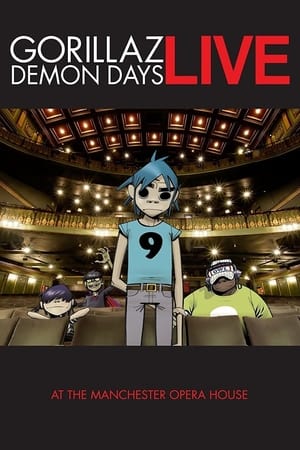
Demon Days: Live at the Manchester Opera House is a Grammy Award nominated live DVD by Gorillaz, It compiles live performances by the band from the 1st through the 5th of November 2005 at the Manchester Opera House that recreated the Demon Days Studio album.
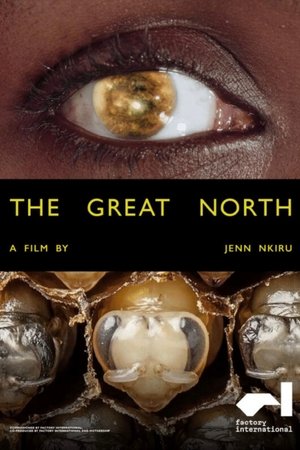
Beginning at the industrial revolution of the ‘great north’, Jenn Nkiru draws lines between peoples, cities, countries, buildings, movements, bodies and spaces(s) using a mixture of archive materials and new footage. There is little stillness as we are pushed and pulled through Black histories and communities across the city of Manchester and beyond. Nkiru has termed this filmmaking process “cosmic archeology”, and it is grounded in Afro-surrealism, experimental film and the Black arts movement.