A light and somewhat satirical look at the problems and pleasures of Continental holiday travel. A passenger on the Hook Continental Express from Liverpool St. imagines the possible destinations of his fellow passengers.
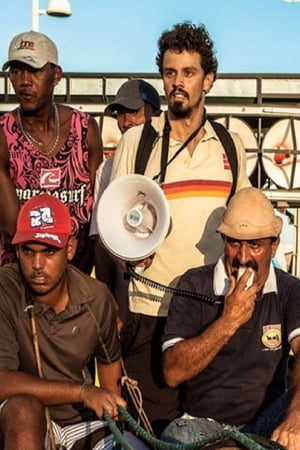
As farm animals are prohibited anywhere in Recife, everyone who gets about by horse is made invisible from the point of view of the law. Only by dealing with the race as if it were scene from a movie – by being able, therefore, to have it considered as being to some extent a piece of "fiction" - is what would make the event feasible and fit to obtain the authorizations needed to make it happen from the official point of view.
T'Day
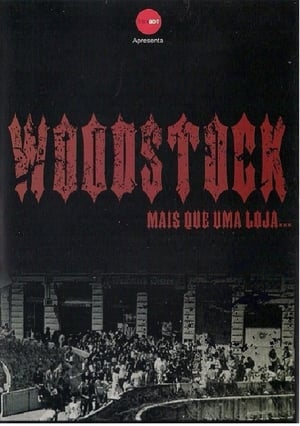
"Woodstock - Mais Que Uma Loja" tells the story of the Woodstock Discos store, a stronghold considered ground zero for heavy metal in São Paulo and one of the pioneers of the style in Brazil.
A personal documentary about gay marriage in Brazil that focuses on the filmmaker Fábia Sartori Fuzeti, who opens the film by proposing to her partner Gabriela Torrezani. The movie follows their footsteps from that moment until their big day. At the same time, it explores the lives various gay and lesbian couples that got tied the knot since the Brazilian Supreme Court legalised gay marriage in June 2011.
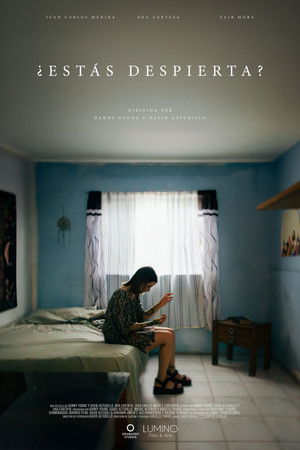
After seeking transcendence through shamanic rituals, Ana’s life is transformed overnight by an unexpected turn toward faith.
Shannon Amen unearths the passionate and pained expressions of a young woman overwhelmed by guilt and anxiety as she struggles to reconcile her sexual identity with her religious faith. A loving elegy to a friend lost to suicide.
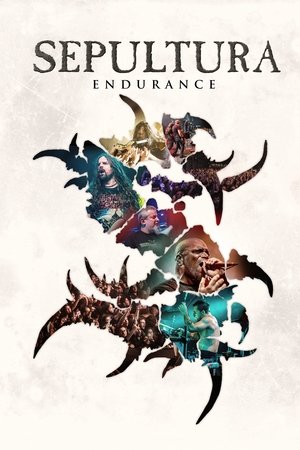
The long awaited documentary about Sepultura's incredible journey from Brazil to the world.
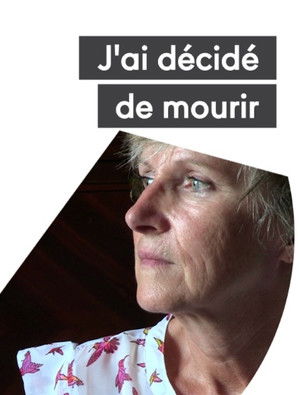
J'ai décidé de mourir
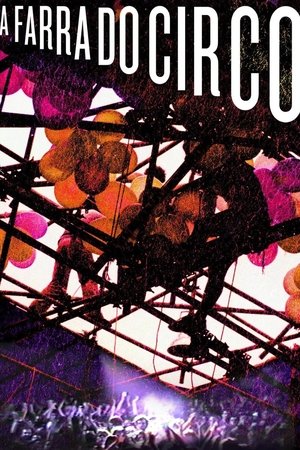
This documentary highlights the evolution of Brazil's Circo Voador venue from homespun artists' performance space to national cultural institution.
Amid the civil-military dictatorship implanted with the 1964 coup, Sergio Muniz had the idea of making a documentary about the action of the Death Squad. At the time, the press still had some freedom to disseminate the work of these death squads formed by police officers of various ranks, and that he acted on the outskirts of cities like Sao Paulo and Rio de Janeiro. The victims of police repression (as today) were men, poor and black, and this condition is supposed criminals.
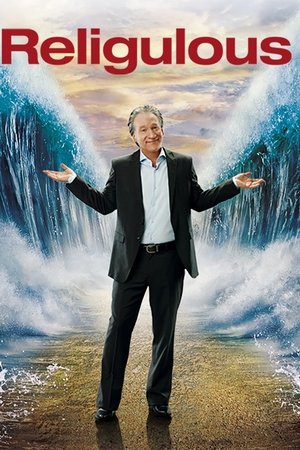
Commentator-comic Bill Maher plays devil's advocate with religion as he talks to believers about their faith. Traveling around the world, Maher examines the tenets of Christianity, Judaism and Islam and raises questions about homosexuality, proof of Christ's existence, Jewish Sabbath laws, violent Muslim extremists.
Altötting in Bavaria, around 120 km from Regensburg, is a much-visited pilgrimage site. Numerous Catholic pilgrims come here every year. The photographs show various groups of pilgrims in search of extraordinary and spiritual experiences, which are contrasted with the ordinariness of village life. The secular-commercial organization of the pilgrimage site and the marketing of the miracle do not always make it easy to distinguish between pilgrims and tourists, pilgrimage and spectacle, faith and madness.
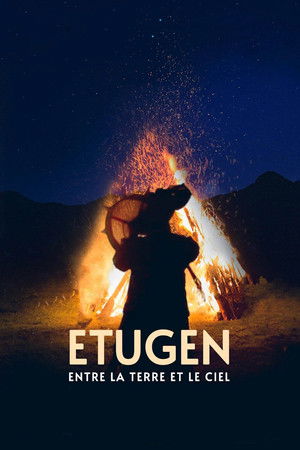
What is the purpose of our existence ? What is the soul ? Which are the power of mind, of conscience ? What is our link to nature ? Pondering these existential questions, this movie invites us to find out an universal wisdom, meeting shamans, healers, yogis, but also philosophers and doctors. From Mongolia plains to the Amazonian forest, it leads us far than we expected at first.
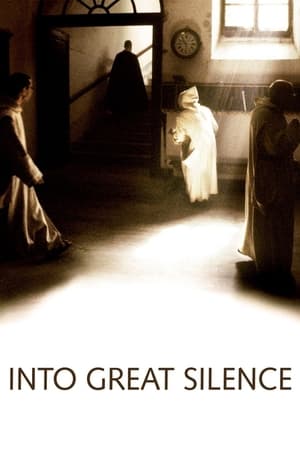
An intimate portrayal of the everyday lives of Carthusian monks of the Grande Chartreuse, high in the French Alps (Chartreuse Mountains). The idea for the film was proposed to the monks in 1984, but the Carthusians said they wanted time to think about it. The Carthusians finally contacted Gröning 16 years later to say they were now willing to permit Gröning to shoot the movie, if he was still interested.
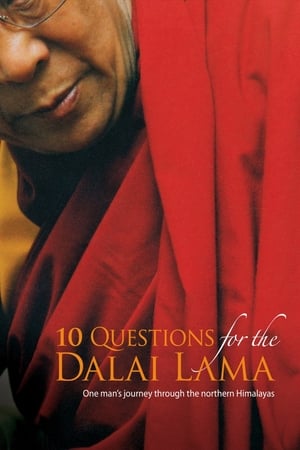
How do you reconcile a commitment to non-violence when faced with violence? Why do the poor often seem happier than the rich? Must a society lose its traditions in order to move into the future? These are some of the questions posed to His Holiness the Dalai Lama by filmmaker and explorer Rick Ray. Ray examines some of the fundamental questions of our time by weaving together observations from his own journeys throughout India and the Middle East, and the wisdom of an extraordinary spiritual leader. This is his story, as told and filmed by Rick Ray during a private visit to his monastery in Dharamsala, India over the course of several months. Also included is rare historical footage as well as footage supplied by individuals who at great personal risk, filmed with hidden cameras within Tibet.
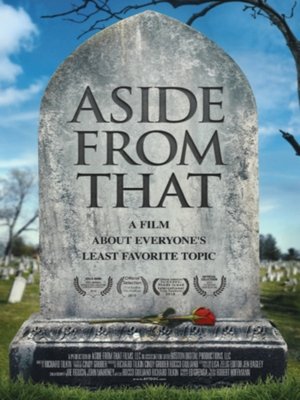
How do we live, knowing we are going to die? In search of answers, we probed the minds of atheists, Buddhists, Jews, Christians, physicians, philosophers, authors, academics, a legendary stand-up comic, and scores of random pedestrians.
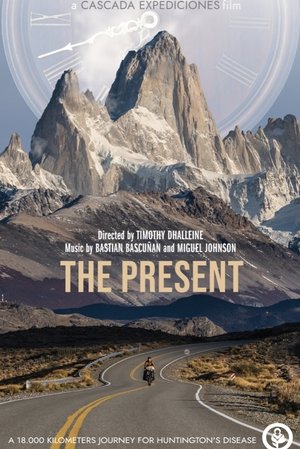
At 34, French traveler Dimitri Poffé tested positive for Huntington's disease, a rare, hereditary, incurable disorder that slowly erodes body and mind. His father died of it; his sister has fought its symptoms for over a decade. Genetic studies predicted Dimitri's own symptoms would begin between 35 and 40 — a countdown he could not stop. Rather than wait, he got on a bicycle. Alone, he rode 18,000 kilometers from Mexico City to Ushuaia, crossing deserts, jungles, mountains and endless plains, a route as unpredictable as the disease itself. What began as defiance became something larger: a story of resilience, solidarity and the strength to reclaim life on your own terms. More than a test of physical limits, The Present is a reminder that when the future is uncertain, the present is still ours to live — one pedal stroke at a time.
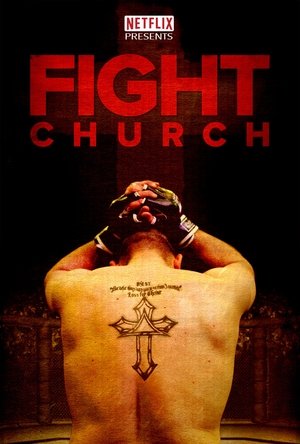
A documentary about the confluence of Christianity and mixed martial arts, including ministries which train fighters. The film follows several pastors and popular fighters in their quest to reconcile their faith with a sport that many consider violent and barbaric. Faith is tried and questions are raised. Can you really love your neighbor as yourself and then punch him in the face?
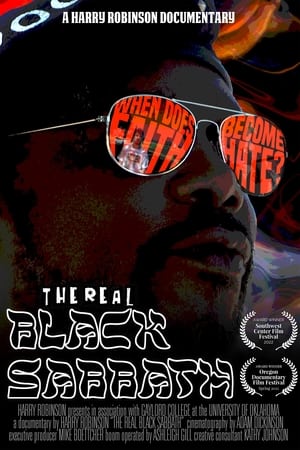
On the buckle of the Bible Belt lies the Oklahoman branch of the ISUPK, an ethnic religious group listed officially as a "hate group." Harry Robinson travelled across the Atlantic to find out what it takes for faith to become hate.