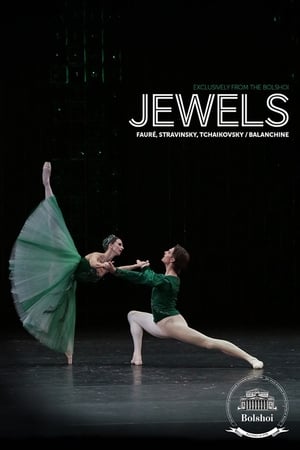
George Balanchine's jewel-themed triptych, strikingly choreographed to the music of Faure, Stravinsky and Tchaikovsky. This three act masterpiece is renowned as the world's first full-length abstract ballet. The Russian-born co-founder of the New York City Ballet, Balanchine was inspired by the artistry of jewellery designer Claude Arpels to create a trio of distinct movements revealing the essence of each precious stone. Each part also evokes three different cities: Paris, New York and St. Petersburg. 'Emeralds' was conceived as a tribute to the French romantic school, with music by Gabriel Faure. The fiery and energetic 'Rubies' taps into the rich tradition of Broadway musicals, with music by Stravinsky. 'Diamonds' honours the grandeur of Imperial Russia and the Maryinsky Theater, choreographed to the music of Tchaikovsky. With its jewel-like costumes, this is a celebration of the influences on the choreographer who was described as the father of American ballet.
Pechorin, a young officer, embarks on a journey across the majestic mountains of the Caucasus, on a path set by his passionate encounters. Disillusioned and careless, he inflicts pain upon himself and the women around him… The story, based on the larger-than-life hero Pechorin, is adapted from Mikhail Lermontov’s literary masterpiece in three separate stories recounting his heartbreaking betrayals. Is Pechorin a real hero? Or is he a man like any other? This brand new production by choreographer Yuri Possokhov is a tragic poetic journey that can only be seen at the Bolshoi. Filmed live on April 9th 2017.
The first revival of Wayne McGregor’s critically acclaimed ballet triptych to music by Max Richter, inspired by the works of Virginia Woolf.
Now celebrating its 50th year, George Balanchine’s sparkling ballet still shines with all the brilliance of the gemstones that inspired it.
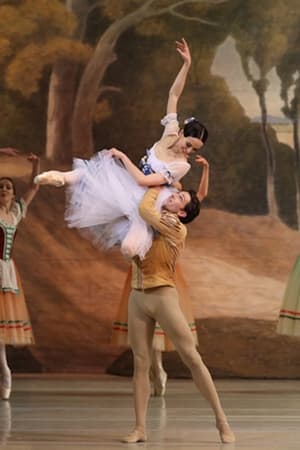
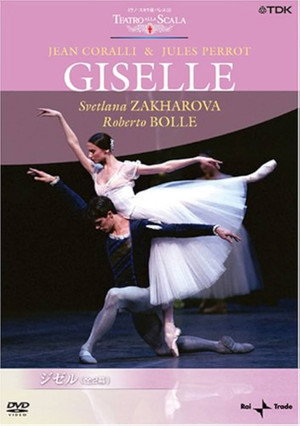
It is a story in which the young heroine, dying from a broken heart, mysteriously hears the call of ghosts tempting her to join their round dance, and having become one of them she saves the lover who betrayed her.
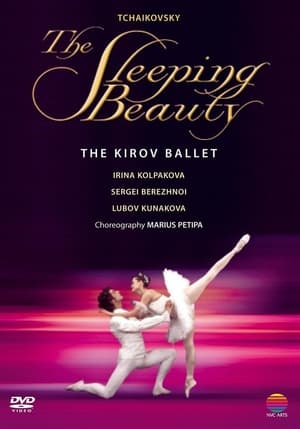
The wicked fairy Carabosse is furious she wasn’t invited to Princess Aurora’s christening. She gives the baby a spindle, saying that one day the Princess will prick her finger on it and die. The Lilac Fairy makes her own christening gift a softening of Carabosse’s curse: Aurora will not die, but will fall into a deep sleep, which only a prince’s kiss will break. The masterful 19th-century choreography of Marius Petipa is combined with sections created for The Royal Ballet by Frederick Ashton, Anthony Dowell and Christopher Wheeldon. Recorded live as part of the Royal Opera House Live Cinema Season 2019/20 with encore screenings broadcast online during the #OurHousetoYourHouse programme.
The Royal Ballet presents the world premiere of Cathy Marston's first work for the Company on the Main Stage alongside a revival of Jerome Robbins’s timeless classic of pure dance. The Cellist is a one-act ballet about British cellist Jacqueline du Pré, from her discovery of the cello through her celebrity as one of the most extraordinary players of the instrument to her frustration and struggle with multiple sclerosis. Jerome Robbins's Dances at a Gathering is a fluid exercise in pure dance for five couples, set to piano music by Fryderyk Chopin.
Fields of France, during the First World War. A group of young soldiers, united by the indiscriminate brutality of battle, fights to maintain their humanity in an endless cycle of combat and death.
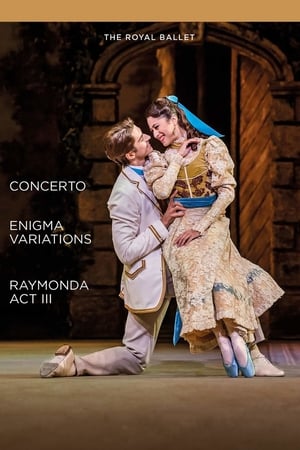
From The Royal Ballet’s classical origins in the works of Petipa, to the home-grown choreographers who put British ballet on the world stage, this mixed programme highlights the versatility of the Company. Petipa’s Raymonda Act III is Russian classical ballet summarized in one act, full of sparkle and precise technique, while Ashton’s Enigma Variations is quintessentially British in every way – from its score by Elgar and period designs by Julia Trevelyan Oman, to Ashton’s signature style, the essence of British ballet. Concerto, MacMillan’s fusion of classical technique with a contemporary mind, completes a programme that shows the breadth of the Company’s heritage.
Tita, who lives on a ranch in Mexico, falls in love with a boy, Pedro, who lives nearby; but when they want to get married, Tita's family prevents it, because she must remain single to take care of her mother.
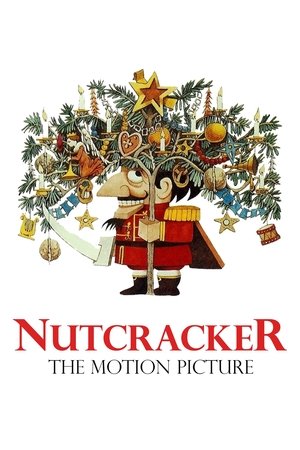
A one-hour version of Tchaikovsky's classic ballet, with a somewhat revised storyline reminiscent of "The Wizard of Oz".
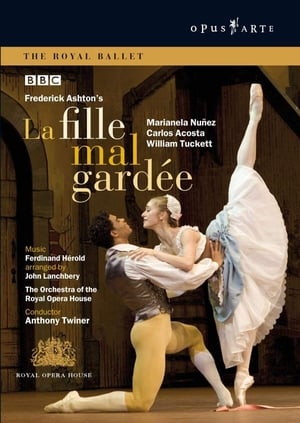
Ever since its triumphant premiere in 1960, Frederick Ashton's La Fille mal gardee has been treasured as one of his happiest creations - his artistic tribute to nature, and an expression of his feelings for his beloved Suffolk countryside. Marianela Nunez and Carlos Acosta perfectly portray the young lovers Lise and Colas, determined to thwart the plans of Widow Simone to marry off her wayward daughter to Alain, the simple son of wealthy Farmer Thomas. Osbert Lancaster's colourful, picture-book designs, along with Ferdinand Herold's tuneful score, arranged by John Lanchbery, provide the perfect setting for Ashton's blissfully bucolic ballet, complete with haywain, pony, maypole and ribbons, a cockrel and his chickens and, of course, the famous clog dance, here wonderfully led by William Tuckett as the irascible but lovable Widow Simone.
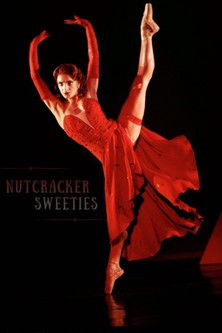
Nutcracker Sweeties is Billy Strayhorn and Duke Ellington’s big band take on the Tchaikovsky classic—The Nutcracker as you've never seen or heard it before! It portrays Broadway and America in the 1940s: full of humor, irony, commentary, swing, and blues. The cast, dressed in an array of glamorous Jasper Conran costumes, includes pom-pom girls, drum majorettes, sailors, GIs and Candy Kane. David Bintley’s choreography is a catwalk of jazz styles. With its eye-catching clothes and flashing neon sets, Nutcracker Sweeties is imaginative, funny and visually irresistible.
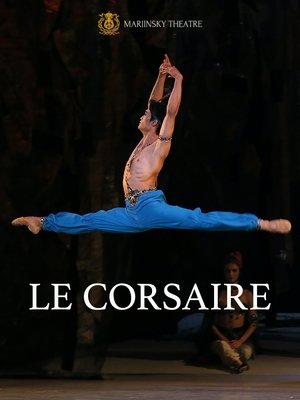
The Mariinsky Theater presents Le Corsaire, a ballet in three acts, with a libretto based on the poem The Corsair by Lord Byron.
Acclaimed Ukranian dancer Svetlana Zakharova, who later became one of the youngest ballerinas in Moscow's Bolshoi Ballet, stars in the title role of the famed Romantic ballet "Giselle," recorded at the Teatro alla Scalla in Milan in April 2005. The production, with a libretto by Jules-Henri Vernoy de Saint-Georges and Théophile Gautier, and music by Adolphe Adam, also features La Scala star Roberto Bolle as Albrecht.
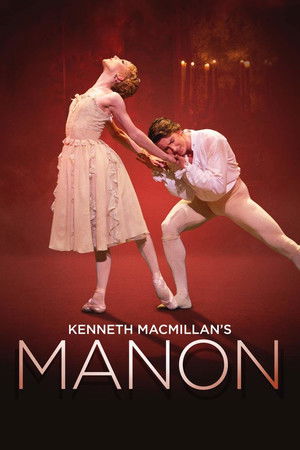
Manon’s brother Lescaut is offering her to the highest bidder when she meets Des Grieux and falls in love. They elope to Paris, but when Monsieur G.M. offers Manon a life of luxury as his mistress she can’t resist.
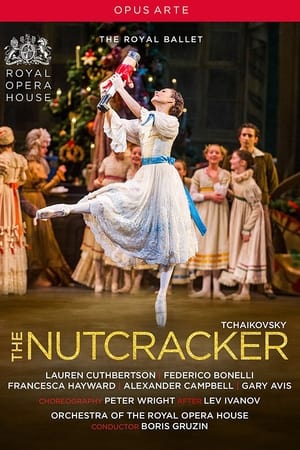
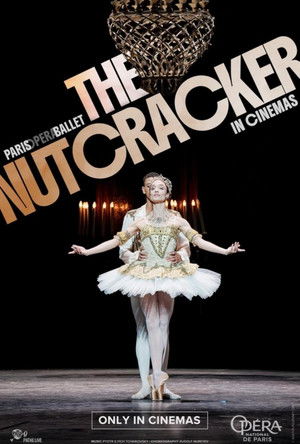
On Christmas Eve, young Clara receives a nutcracker doll and drifts into a dream where toys come alive. Guided by the transformed nutcracker prince, she moves through a world of toy soldiers, rats, and magical creatures, facing her fears and desires. Snowflakes, flowers, and fantastical landscapes frame a vivid choreography set to Tchaikovsky’s iconic score.
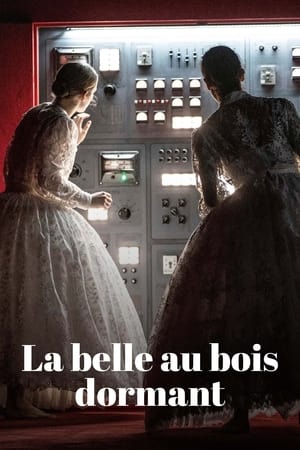
Marcos Morau : La Belle au bois dormant
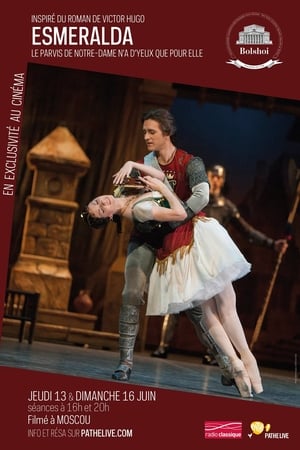
La Esmeralda is a ballet in three acts and five scenes, inspired by the novel Notre-Dame de Paris by Victor Hugo, originally choreographed by Jules Perrot to music by Cesare Pugni, with sets by William Grieve and costumes by Mme. Copère.
The young Clara creeps downstairs on Christmas Eve to play with her favourite present – a Nutcracker. But the mysterious magician Drosselmeyer is waiting to sweep her off on a magical adventure. After defeating the Mouse King, the Nutcracker and Clara travel through the Land of Snow to the Kingdom of Sweets, where the Sugar Plum Fairy treats them to a wonderful display of dances. Back home, Clara thinks she must have been dreaming – but doesn’t she recognize Drosselmeyer’s nephew?