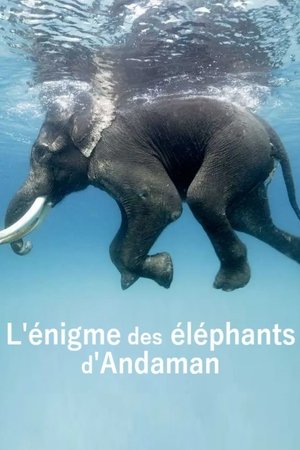
L'énigme des éléphants d'Andaman
The Isle of Mull is one of the UK's largest islands, located in the Inner Hebrides, and is home to one of the largest Eurasian otter populations in Europe. This documentary delves into the intricate relationship shared between this fascinating species and humans - through several sequences, each offering a different perspective.
Filmmaker Christina Karliczek Skoglund goes in search of the Greenland shark.
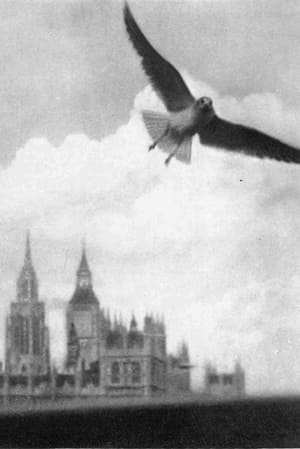
The film takes us to the North of England to follow the migration of the black-headed gull down to London. There, the narrator asks viewers to "listen to their gossip", before demonstrating the bird’s flight in slow motion. We see a polecat feasting on gull eggs, and then a man collecting the eggs for human consumption, with the film telling us that they are considered a “delicacy” in London. Indeed, according to the British Trust for Ornithology, around 300,000 gull’s eggs were sold every year in Leadenhall Market in London during the 1930s, when London Visitors was made.
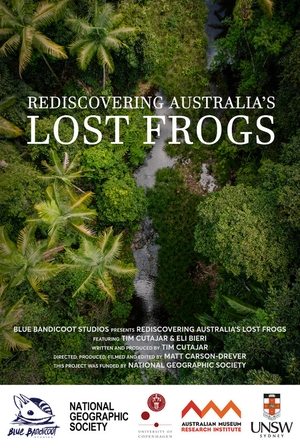
Join Australian Museum and UNSW Sydney PhD Candidate and Nat Geo Explorer Tim Cutajar as he searches for the feared-extinct Southern Gastric Brooding Frog (Rheobatrachus silus) in the Sunshine Coast hinterland. Using environmental DNA, Tim and the team are trying to detect any trace of this species, which has been missing since the early 1980s. Taking samples from water, air and frog-biting, blood-sucking flies, the team are trying to forensically detect this missing species.
Coral reefs are believed by many to have the highest biodiversity of any ecosystem on the planet. A lot of the life found here can seem very alien at first, they occupy less than 1 percent of the ocean floor but yet are home to more than 25 percent of all marine life. Warm water reefs typically come to mind when thinking of the Pacific Ocean and the Caribbean Sea, these reefs are very well known but they don’t just occur in warm waters. In this one hour special, we are brought into this alien environment and discover for ourselves a strange, hidden world that is simply abundant with life, ranging from the weird to the wonderful.
Gripping, hi-octane adventure as intrepid underwater explorer Jacquie Cozens and experienced filmmaker Mike deGruy attempt to uncover the truth behind the legendary Red Demon: an enormous flesh-eating squid. This film was first broadcast: 12 Sep 2004
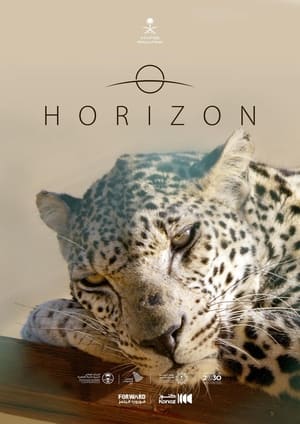
From the turtles of the Farasan Islands to the ibex that dot the Asir Mountains, this documentary captures Saudi Arabia's diverse wildlife and scenery.
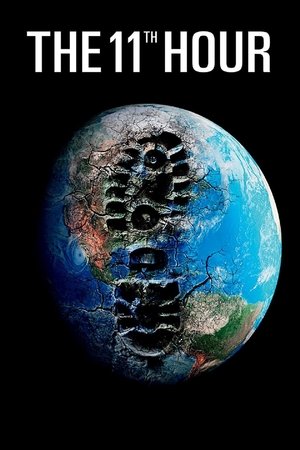
A look at the state of the global environment including visionary and practical solutions for restoring the planet's ecosystems. Featuring ongoing dialogues of experts from all over the world, including former Soviet Prime Minister Mikhail Gorbachev, renowned scientist Stephen Hawking, former head of the CIA R. James Woolse
Deep in Papua's tropical forests, the Northern Cassowary (New Guinea's largest native animal) remains an enigma—a creature rarely seen, yet vital to the ecosystem. Often regarded as dangerous, this large, flightless bird is crucial for forest regeneration through seed dispersal. With habitat loss and hunting threatening their survival, efforts to protect cassowaries are more urgent than ever.
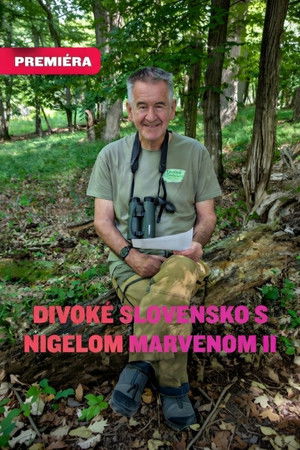
The sequel to the hugely successful documentary about the beauty of Slovak nature, featuring Nigel Marven, British wildlife filmmaker, screenwriter, presenter, and adventurer, known worldwide for his distinctive style, innovative programs, and enthusiasm. The sequel to the documentary Wild Nature of Slovakia with Nigel Marven 2 will show Slovak and international viewers that Slovakia is a "hidden gem of Europe" whose biodiversity rivals that of exotic countries around the world, with populations of bears, wolves, lynxes, and many species of birds, reptiles, and amphibians.
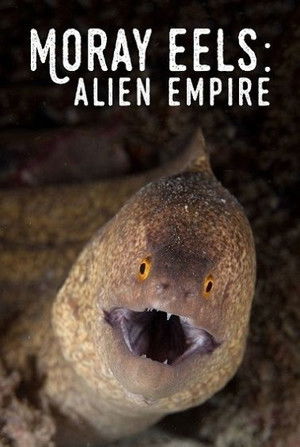
Wildlife filmmaker Sigurd Tesche delves into the mysterious world of the moray eel to reveal the secrets of this supreme underwater predator and the truth behind its ugly reputation.
As one of Germany’s beauties, the river was the gem of German landscape. But with industrialization it became the country’s hardest working river and like everything that has been overworked, it lost it magnificence and charm. Due to tender love and care, the river is now a reigning example of one of the most successful and outstanding renaturation projects in the country.
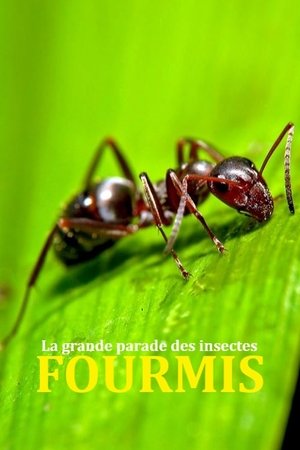
„The Fabulous Insects – Ants“ shows the diversity, beauty and exciting strategies of ants in their respective habitats. Whether in the tropics of South America or in the native climes of Europe - the world of ants is full of surprises. The biomass of ants and humans in the world is about the same. Next to us, ants are probably the most adaptable creatures on the planet. Whether rainforest, savannah, forests or moors - ants populate every terrestrial habitat. You can observe particularly exciting natural history not only in the distant tropics, but also in densly populated Central Europe.
The Fragile Return Of The Lynx
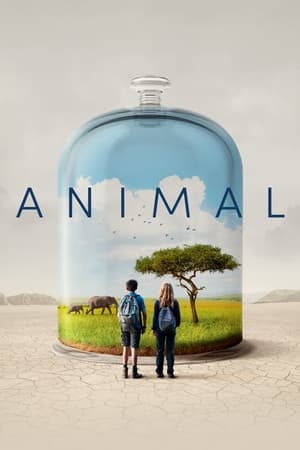
16-year-old Bella and Vipulan are part of a generation convinced its very future is in danger. Between climate change and the 6th mass extinction of wildlife, their world could well be inhabitable 50 years from now. They have sounded the alarm over and over, but nothing has really changed. So they’ve decided to tackle the root of the problem: our relationship with the living world. Over the course of an extraordinary journey, they come to realize just how deeply humans are tied to all other living species. And that by saving them… we’re also saving ourselves. Humans thought they could distance themselves from nature, but humans are part and parcel of nature. For man is, after all, an Animal.
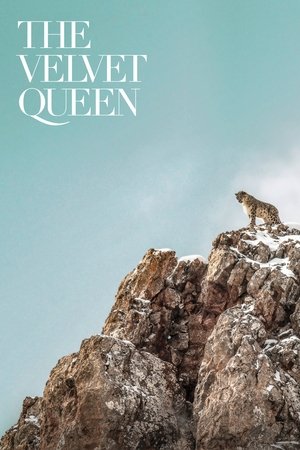
High up on the Tibetan plateau. Amongst unexplored and inaccessible valleys lies one of the last sanctuaries of the wild world, where rare and undiscovered fauna lives. Vincent Munier, one of the world’s most renowned wildlife photographers takes the adventurer and novelist Sylvain Tesson (In the Forest of Siberia) with him on his latest mission. For several weeks, they’ll explore these valleys searching for unique animals and try to spot the snow leopard, one of the rarest and most difficult big cats to approach.
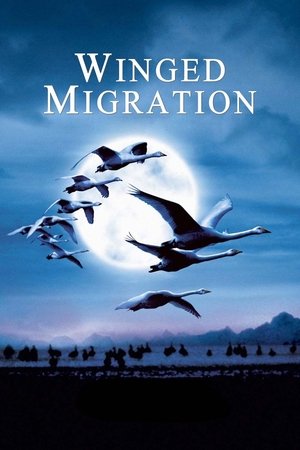
This documentary follows various migratory bird species on their long journeys from their summer homes to the equator and back, covering thousands of miles and navigating by the stars. These arduous treks are crucial for survival, seeking hospitable climates and food sources. Birds face numerous challenges, including crossing oceans and evading predators, illness, and injury. Although migrations are undertaken as a community, birds disperse into family units once they reach their destinations, and every continent is affected by these migrations, hosting migratory bird species at least part of the year.
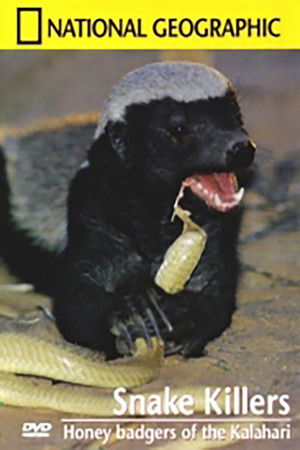
Honey badgers may look innocent, about the size of an average dog, but these fearless foragers prey on more than 60 different species in the Kalahari, including some of the region's most dangerous snakes. One honey badger was seen eating over 30 feet of snakes in just three days. Join honey badger experts-Keith and Colleen Begg- who through research, film and photography have compiled the most extensive study to date of honey badgers in the wild. Their cameras capture not only the heroic saga of a remarkable couple working in the wild, but the natural history of one of the world's most unique and extraordinary creatures" National Geographic Channel highlights.
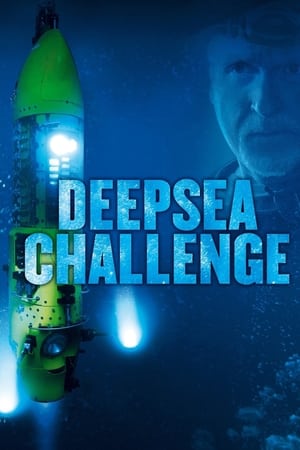
Described as being a film about determination, danger and the ocean’s greatest depths, James Cameron's "Deepsea Challenge 3D" tells the story of Cameron’s journey to fulfill his boyhood dream of becoming an explorer. The movie offers a unique insight into Cameron's world as he makes that dream reality – and makes history – by becoming the first person to travel solo to the deepest point on the planet.