A look back at the life and career of Japanese guitarist hide, who died under questionable circumstances in 1998.
Inspired by the poetry of Robert Frost, this short primarily aims to capture the dynamic nature of the world around us; the ego and the id; the past and the present; everything that has, as of yet, diluted the course of life as we know it.
Eighteen years in the making, two-headed cow started off as a black and white film that followed Dexter Romweber and his drummer Crow on a rock and roll tour along the same route as General Sherman. The film was not finished due to many circumstances, but the filmmakers were able to resume the film seventeen years later. After major TV appearances, a stint on a major label, bouts of depression and drug addiction, the film took on a different tone and poignancy.
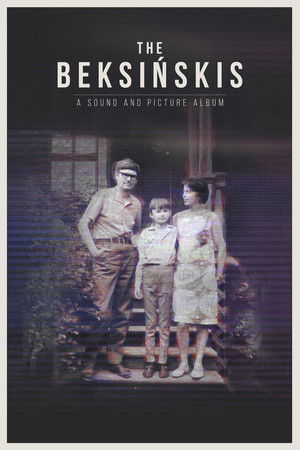
Painter Zdzisław Beksiński, his wife Zofia and their son Tomasz, a well-known radio journalist and translator, were a typical and unconventional family, both at the same time. One of the father’s obsessions was filming himself and his family members. Using archival footage only, shot primarily by Zdzisław, as well many other materials, which have not been presented anywhere so far, the film tells a tragic story of the Beksińskis that has never ceased to fascinate Polish filmmakers.
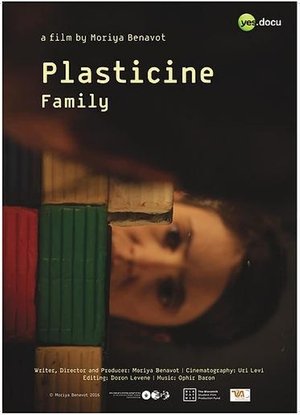
It is hard to find a family home where all the members have gone to live their separate lives in different parts of the world. Travelling between different continents, the director visits divorced parents and their new partners and also meets her sister who decided to join an alternative community. Their family exists on archival films and photographs only. Is it still possible to put it all together against all odds?
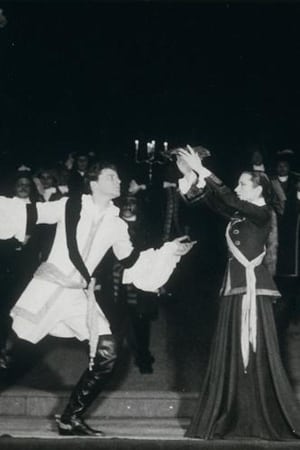
The T.N.P., the Théâtre National Populaire, an important experimental theater directed by Jean Vilar. Franju combines sequences from theatrical performances with documentary images, creating links and confrontations between theater and the real world.
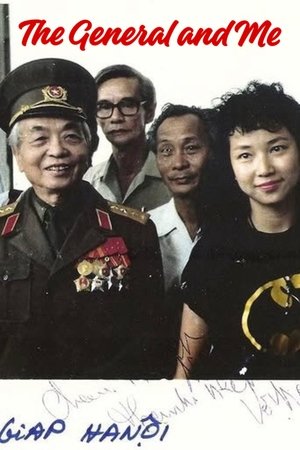
Over the period of 25 years the director met General Võ Nguyên Giáp, a legendary hero of Vietnam’s independence wars, a number of times. She was the first American who entered the home of the “Red Napoleon”. The fruit of this friendship is a film, personal and politically involved at the same time. Travelling across the country and talking to important figures as well as ordinary people, the director finds out more about her roots and offers the audience a unique perspective on Vietnam’s present and past.
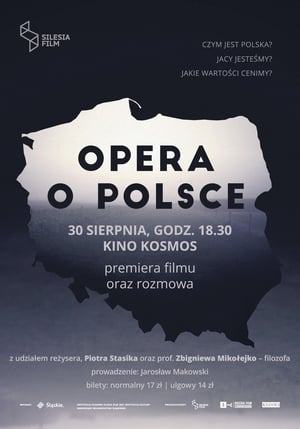
Pole, who are you? This film collage that combines archival and contemporary materials, documentary and staged pictures, press reports, social announcements, sale offers and speech excerpts is an attempt to answer this question. Referring to the Polish tradition of a creative documentary in the style of Wojciech Wiszniewski, the film presents various manifestations of Polishness: patriotic and religious rituals, everyday traditions as well as characteristic landscapes or intimate memories from childhood.
Le temps des amoureuses
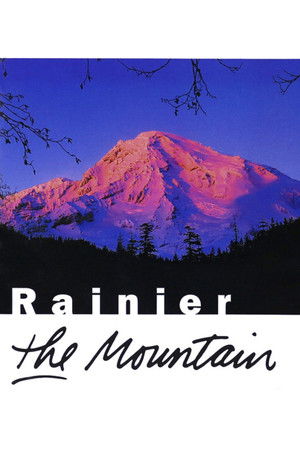
In this retrospective tribute, acclaimed filmmaker Jean Walkinshaw hails the 100th anniversary of Mount Rainier National Park in Washington by talking to those who know it best: the scientists, naturalists, mountain climbers and artists whose lives have been touched by the peak's far-reaching shadow. The result is a harmonious blend of archival material and high-definition footage celebrating an icon of the Pacific Northwest.
Eldar Ryazanov reads his poetry. An introspective movie on his multifaceted work.
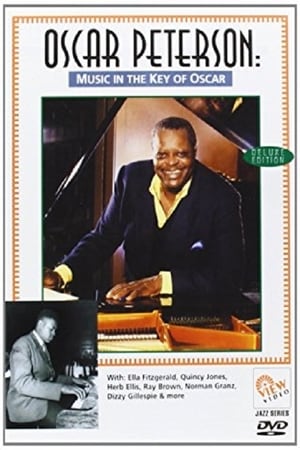
This riveting music documentary traces the history of Jazz piano legend Oscar Peterson, from his early days as Montreal's teenage Boogie-Woogie sensation through his meteoric rise to international celebrity with Norman Granz and the ground-breaking Jazz at the Philharmonic and beyond. In this award-winning autobiographical portrait, legendary jazz pianist Oscar Peterson narrates his story, from his beginnings in smoke-filled Montreal clubs to hallmark performances with jazz greats. Concert footage includes an unforgettable combo -- Nat King Cole with Jazz at the Philharmonic and the Oscar Peterson Trio Wall reunion. Quincy Jones, Ella Fitzgerald and Dizzy Gillespie are interviewed, among others.
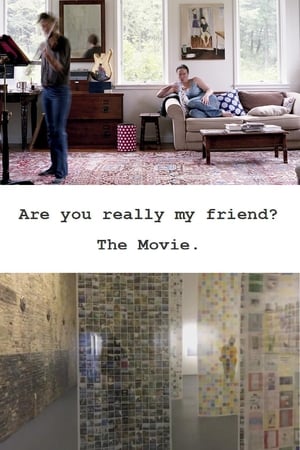
In 2011, photographer Tanja Hollander decided to visit each one of her Facebook "friends" (all 626 of them) in their homes and make formal portraits of each of them. Armed with her cameras and iPhone, Tanja traveled throughout the U.S. and around the world for 5 years, meticulously documenting her experiences in real time and creating a historical narrative, both visual and written, along the way. Her project is an exploration of friendships, the effects of social networks, the intimate places we call home and the communities in which we live.
The Cell Phone Revolution is a revealing look at the enormous impact this small device has had on the way we live -- and the surprising dead ends and detours it took along the way. From a futuristic dream at the 1939 World's Fair -- the cell phone became a reality some thirty years later.
A short film by Barry Lowe and Dino Mahoney, starring Pauline Burton as Anna. The film is an introduction to the great Soviet era modernist poet, Anna Akhmatova; shot in winter in Saint Petersburg (Leningrad), it contains rare interviews with people who knew her, academics, and dramatized readings of some of her poems.
Star Trek: Evolutions is an 80-minute Paramount Pictures Star Trek documentary compilation which was first released on 22 September 2009 as part of the Star Trek: The Next Generation Motion Picture Collection Blu-ray and DVD sets.
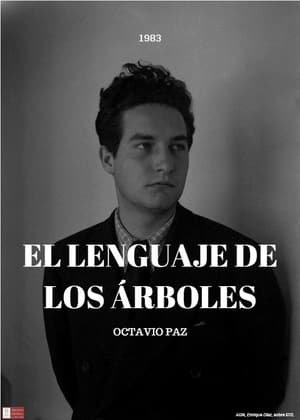
An exploration on Paz's poetry by Paz himself, his childhood, his ideas about love and the nature of art
After World War II a group of young writers, outsiders and friends who were disillusioned by the pursuit of the American dream met in New York City. Associated through mutual friendships, these cultural dissidents looked for new ways and means to express themselves. Soon their writings found an audience and the American media took notice, dubbing them the Beat Generation. Members of this group included writers Jack Kerouac, William Burroughs, Allen Ginsberg. a trinity that would ultimately influence the works of others during that era, including the "hippie" movement of the '60s. In this 55-minute video narrated by Allen Ginsberg, members of the Beat Generation (including the aforementioned Burroughs, Anne Waldman, Peter Orlovsky, Amiri Baraka, Diane Di Prima, and Timothy Leary) are reunited at Naropa University in Boulder, CO during the late 1970's to share their works and influence a new generation of young American bohemians.
As director Hakim Belabbes chronicles his journey from his home in Chicago to visit his family in his hometown of Boujad in Morocco, his exploration of family relationships is self-conscious and at times painfully honest. We witness his most private moments with his family. The film intimately explores the domestic spaces and religious rituals of intra-family relationships, especially when compounded by one member's break with traditional values.
Caught between chasing his past and accepting his impending end, a man follows his childhood memories through the dark alleyways and desolate cemeteries of Boujad, Morocco.