Yellowtail is the story of a young Native American cowboy searching for meaning as his chaotic lifestyle begins to wear on him both physically and mentally. To find his purpose the young man has to reflect on his upbringing as a native to become the spiritually connect man he was meant to be.
Told in the cinematic tradition of classic westerns, “COWBOYS - A Documentary Portrait” is a feature-length film that gives viewers the opportunity to ride alongside modern working cowboys on some of America's largest and most remote cattle ranches. The movie documents the lives of the men and women working on these "big outfit" ranches - some of which are over one million acres - and still require full crews of horseback mounted workers to tend large herds of cattle. Narrated through first-hand accounts from the cowboys themselves, the story is steeped in authenticity and explores the rewards and hardships of a celebrated but misunderstood way of life, including the challenges that lie ahead for the cowboys critical to providing the world's supply of beef. “COWBOYS” was filmed on eight of the nation’s largest cattle ranches across ten states in the American West.
Professional jockeys face challenges on and off the track as they compete in Wyoming's Sweetwater Downs horse racing season.
Argentina currently exports 60% of all horse meat consumed globally. However, the consumption of horse meat is prohibited in Argentina itself and no horses are bred for this purpose in the country. So, with 200,000 horses being slaughtered each year for export to the European Union, where exactly is this meat coming from? “Cinco Corazones” reveals the grim reality behind the lives of Argentinian horses. These animals suffer many forms of abuse from the moment they are born, only to end their lives being slaughtered for export to the main consuming countries in Europe. The film exposes cultural and sporting practices, political collusion and shady business dealings, which severely harm the health of these animals and constitute animal welfare violations.
Journey across Morocco, Spain, Mexico, Argentina, Patagonia, Texas and British Columbia, to meet vaqueros, gauchos, baqueanos and cowboys - all part of a single global horse culture, an unbroken trail stretching back 1,500 years.
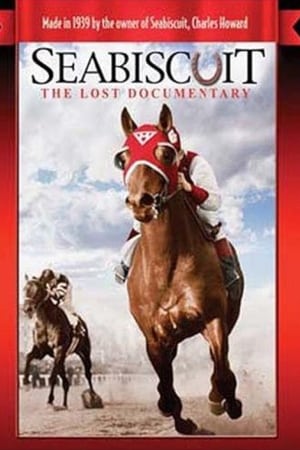
Made in 1939 by Seabiscuit's owner Charles Howard. This inspirational film chronicles Seabiscuit's life from birth, through training, and the legendary match race with War Admiral.
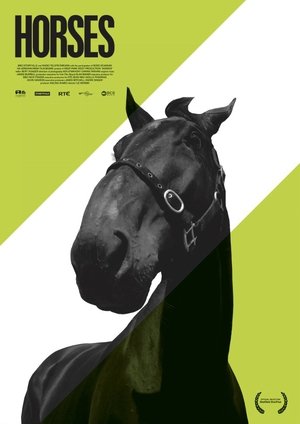
Horses have been part of daily life for generations in the deprived Dublin suburb of Ballymun – and for 17-year-old Lorna and her family too. Her unemployed father finds structure and purpose in daily life by caring for his horses, while her sick mother wistfully remembers the days when she used to turn heads as she galloped through the town. These days it's Lorna who likes to spend all her free time in the stable or riding Bigfoot, her horse.
An inspiring journey of recovery from two very different worlds. Set against the stunning backdrop of Kangaroo Valley in NSW, a revolutionary program brings together traumatised ex-racehorses and traumatised military veterans - to help rebuild each other, and transform lives.
In a contemporary reimagining of the American West, three young women - a snake hunter, a New York artist, and a rodeo queen - challenge the idea of who is permitted to be a cowgirl.
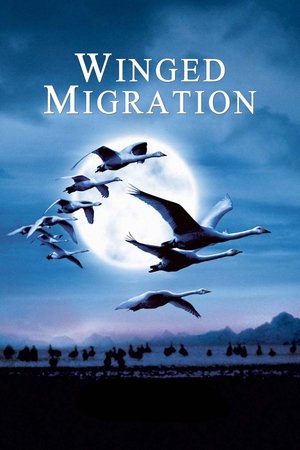
This documentary follows various migratory bird species on their long journeys from their summer homes to the equator and back, covering thousands of miles and navigating by the stars. These arduous treks are crucial for survival, seeking hospitable climates and food sources. Birds face numerous challenges, including crossing oceans and evading predators, illness, and injury. Although migrations are undertaken as a community, birds disperse into family units once they reach their destinations, and every continent is affected by these migrations, hosting migratory bird species at least part of the year.
In 1996, John used to proudly ride around on his horse in Ballymun of Dublin. Now, 20 years later, the horse inheritance, that he received from his father, will be given to John's son, Daragh, who will soon be 16 years old.
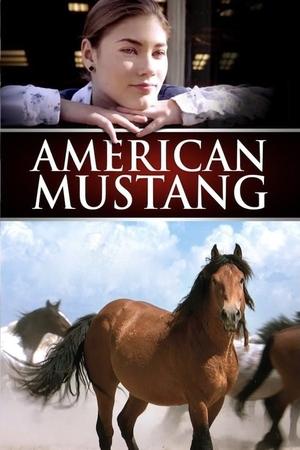
American horses are icons. Mustang. Appaloosa. Morgan. Quarter Horse. Each breed has a unique story to tell, and each story is a deep part of the American experience. Grounded in historical moments and charismatic people, American Horses traces the emergence of these remarkable horses and introduces contemporary trainers who are continuing in the long tradition of caring for them.
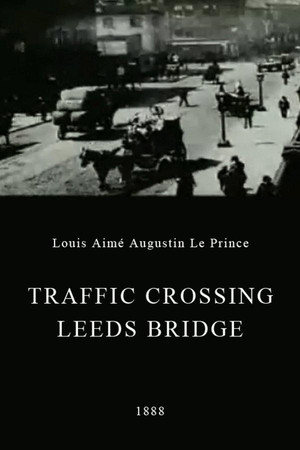
A film by Louis Aimé Augustin Le Prince, shot in late October 1888, showing pedestrians and carriages crossing Leeds Bridge.
The life of a racehorse, days before an important racing competition at the Hippodrome of Buenos Aires
The film follows the first days of a newborn horse. The camera records its encounter with the world into which it was born – from its first steps, through joyful galloping, to its initiation as a member of the herd. We see the world from the foal's perspective, with humans serving only as a backdrop for the story of the unique bond between mother and child.
The larger than life true story of how a barmaid in a poor Welsh mining village convinces some of her fellow residents to pool their resources to compete in the "sport of kings" with a racehorse they would breed and raise.
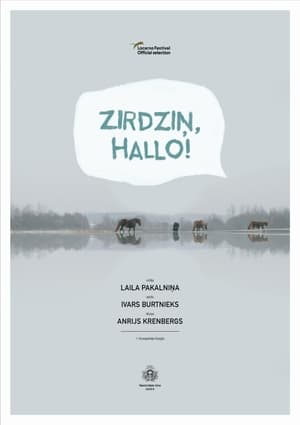
A film about everything changing while remaining the same. Or rather – everything remaining the same while changing. We observed this (and wanted to share) while standing (standing regularly and for a long time) on a road rather close to the Eastern border of Latvia, because we followed the suggestion of the locals who asked to shoot “that horrible road”.
Samuel Grey Horse, an Indigenous equestrian from Austin, Texas, is known for rescuing horses from being put down. After a riding accident lands him in a coma, Grey Horse experiences an afterlife vision that changes his perspective on the world and his place in it.
Can a horse save a life? In Clondalkin (Dublin) that’s exactly the case, in a district where there are a lot of problems and not a lot of prospects for the young.
An old, broken morin khurr (horse head fiddle) compels renowned Mongolian singer Urna Chahar Tugchi to take a road journey to Ulan Bator and the steppes of Mongolia.