Evangelical fundamental Christians used the 2006 World Cup in Germany for their missionary purposes: over 10,000 missionaries were deployed to spread the "Word of God", convert people and collect donations. The documentary aims to inspire reflection on the consequences of religious fanaticism, which, despite the missionaries' friendly demeanor, goes hand in hand with intolerance towards those who think differently. Free of verbiage, it hints at parallels between faith and fanaticism using purely visual means and cleverly intersperses basic information as animated infographics that shed light on the ideology of the evangelicals and how it is spread.
Ah the sweet atmosphere of the football stadiums and its language more flowery than the gardens of Babylon!… As if these gentlemen, whether they are supporters or players, have a concern with their masculinity. Some might say it's part of folklore, but in reality it's not a party for everyone. Yoann Lemaire, former Ardennes footballer, paid the price in 2010 when his club dismissed him following his coming out. Since then, he has campaigned to lift the great taboo against homosexuality in football, and sport in general. Between testimonies and interviews on the ground, the director Michel Royer, nine years after Sport and Homosexualities, is making a film wishing to reflect the work of a militant man to free speech, change mentalities and add colors to the flag " Black, White, Arab ".
Paper Dolls follows the lives of transgender migrant workers from the Philippines who work as health care providers for elderly Orthodox Jewish men and perform as drag queens during their spare time. It also delves into the lives of societal outcasts who search for freedom and acceptance.
A story of the LGBT struggle from the 1960s to the present, after the Stonewall riot sparked the militant action in New York that was to spread around the world. From San Francisco to Paris via Amsterdam, between the first Gay Pride, the election of Harvey Milk, the French "decriminalization", the AIDS epidemic and the first homosexual marriages, these few decades of struggle are embodied through numerous testimonies of actors and actresses of this revolution rainbow.
Originally broadcast on ABC's True Stories in 1993, Feed Them to the Cannibals tells the story of Sydney's Gay and Lesbian Mardi Gras. It was the first time cameras were allowed at Sleaze Ball and the Mardi Gras Party.
Lionnes
The story of a young gay man who faced persecution due to his sexuality and made a frightening journey to the UK with just a suitcase.
Based on an unrealized film script written in 1964 for The Homosexual Law Reform Society, a British organisation that campaigned for the decriminalization of homosexual relations between men, "The Colour Of His Hair" merges drama and documentary into a meditation on queer life before and after the partial legalization of homosexuality in 1967.
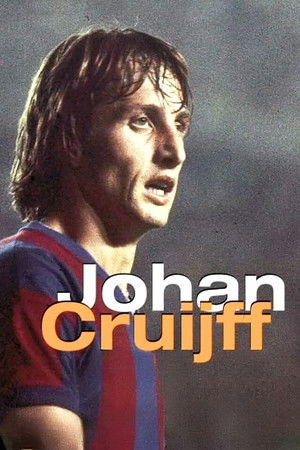
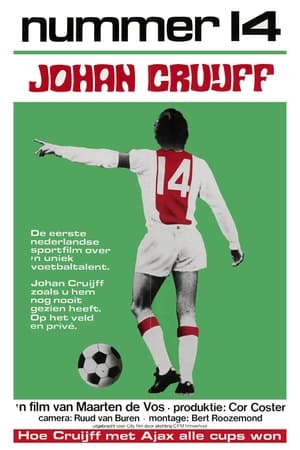
Johan Cruijff - En un momento dado is a 2004 documentary film by Ramon Gieling on the life of Dutch footballer Johan Cruijff.
Crowds is a feature documentary that records popular events of Uruguay where thousands of people gather spontaneously, called by faith, passion, celebration and memory. What happens when we set aside our individuality to act collectively? This documentary observes the passions that draw thousands of people close in order to join in a choral character. It discovers the crowd while it transgresses and experiences catharsis, while it seeks miracles and hopes; in continuous movement it splits and rejoins... until they dissipate and individuals re-emerge in their own solitude.
The crowd is the focus of this documentary, which presents historical scenes of the Brazilian Championship. Irreverent and poetic, the movie pays homage to the spectacle provided by football.
The place is the notorious Starck Club (so called because it was the first major project designed by Philippe Starck in the US.) The Starck Club opened in Dallas in 1984 and not long after hosted the 1984 national Republican Convention. Ironically, it was actually legal to buy MDMA aka ecstasy there, people would put it on their credit cards. The DEA stepped in and made it a category 1 drug on July 1, 1985... In a time when ecstasy was legal & guyliner was cool.
Lesbian director Brigid McFall and lesbian photographer Vic Lentaigne create a series of intimate, revealing portraits of what it means to be lesbian in 2022, exploring why it is that so many young women who are sexually attracted to other women now prefer to identify as queer.
Out Of The Rain
This beautiful and poignant film was commissioned by TENI (Transgender Equality Network Ireland) and is a conversational piece which explores gender identity and transgender experiences in Ireland.
The original documentary on the Wigstock festival, back in the day when it was a much smaller affair in Thompkins Square Park. A full day of peace, love, and wigs…
It often happens that at the moment of death, transgender individuals are shorn of their identity. Their families are ashamed, the funeral takes place in secret, and on the tomb appears the name the deceased had before their transition, in one stroke nullifying the entire life path they had chosen. The same thing happened to Antonia. Her girlfriends gather to honor her memory and give her back her identity denied. In telling her story, the film’s stars, all drawn from the variegated transgender world, interweave the narrative with tales of their own lives, experiences, and memories.
A sport like football is primarily a passionate celebration, but one that is so massive (economically, politically and socially) that it, of course, also brings many problems. Olallo Rubio's third documentary (and fourth film in total), Ilusión Nacional, is a take on how the world's most popular sport relates to Mexican society and politics.
The voices of five gay men who cruised for sex at the World Trade Center in the 1980s and 1990s haunt the sanitized, commerce-driven landscape that is the newly rebuilt Freedom Tower campus.
A Boy Named Sue chronicles the transformation of a transsexual named Theo from a woman to a man over the course of six years. Following Theo's physiological and psychological changes during the process, as well as their effects on his lesbian lover and community of close friends, A Boy Named Sue tells a story about gender identity, relationships, and how even things that seem permanent can change.