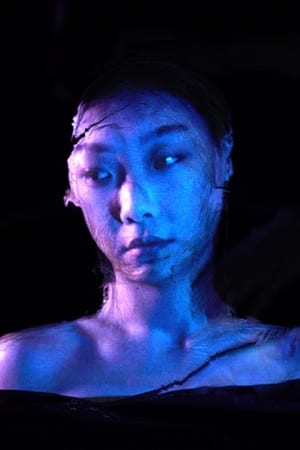
56-year-old artist Mindy Alper has suffered severe depression and anxiety for most of her life. For a time she even lost the power of speech, and it was during this period that her drawings became extraordinarily articulate.
A journey through four hundred paintings, all masterpieces, among the more than nine thousand treasured in the Prado Museum, Madrid, Spain.
With loans from across the world, this major retrospective will bring together Vermeer’s most famous masterpieces including Girl with a Pearl Earring, The Geographer, The Milkmaid, The Little Street, Lady Writing a Letter with her Maid, and Woman Holding a Balance. This film invites audiences to a private view of the exhibition, accompanied by the director of the Rijksmuseum and the curator of the show.
As the walls of Cuba's ageing infrastructure continue to crumble, a burgeoning street art scene is born in Havana. Murals of hand-painted masked character – Supermalo – with the tag “2+2=5?” have begun to appear in seemingly every corner of the heavily foot trafficked city.
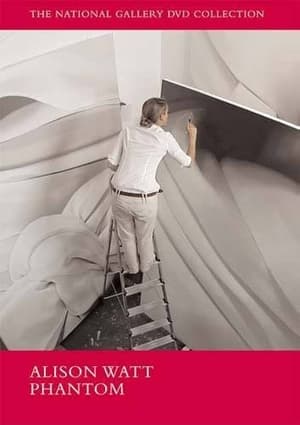
Alison Watt became the National Gallery's Seventh Associate Artist in 2006. This art film records her two-year residency, as she created paintings inspired by masterpieces in the National Gallery. She already had a lifelong attachment to paintings in the collection, yet the prolonged contact, particularly with Saint Francis in Meditation by Francisco de Zurbarán, led her to notice new details and unexpected nuances which influenced her own art. Through a series of interviews with Watt, this art film documents the formation of this exhibition, with particular emphasis on the creative process.
People looking at the Mona Lisa in the Louvre – or are they just looking at themselves?
"The prevailing stigmatization of the 'villero' universe is fed back by the images. In order to dismantle this stigmatization, other images must be presented or we need to reveal what the existing ones seek to cover up. The slum is usually represented from a limited and deceitful visual panorama. This representation has an intention. Cinema and television are two image-producing devices that strengthen the stereotypes that we have about the people who inhabit these spaces. And what happens in the field of painting? Do clichés reign there too? This visual essay seeks to confront various works by national painters and sculptors, belonging to the Palais collection, with the kinetic images of current cinema and television, to reflect on both the differences and the similarities in the meanings and discourses that both regimes of images can produce." César González
A look at the feud between graffiti artists King Robbo and Banksy.
Departing from peripheral details of some paintings of the Bilbao Fine Arts Museum, a female narrator unravels several stories related to the economic, social and psychological conditions of past and current artists.
Banksy is a graffiti artist with a global reputation whose work can be seen on walls from post-hurricane New Orleans to the separation barrier on the Palestinian West Bank. Fiercely guarding his anonymity to avoid prosecution, Banksy has so far resisted all attempts to be captured on film. Exit Through the Gift Shop tells the incredible true story of how an eccentric French shop keeper turned documentary maker attempted to locate and befriend Banksy, only to have the artist turn the camera back on its owner.
While locked-up for six years in federal prison, artist Jesse Krimes secretly creates monumental works of art—including an astonishing 40-foot mural made with prison bed sheets, hair gel, and newspaper. He smuggles out each panel piece-by-piece with the help of fellow artists, only seeing the mural in totality upon coming home. As Jesse's work captures the art world's attention, he struggles to adjust to life outside, living with the threat that any misstep will trigger a life sentence.
Artist Taylor Denise sets out to make her first painting, which also happens to be her largest work to-date. As she embarks on this creative process of making shit because it looks cool, she's met with comradery, debauchery, and people's brains interrupting art whatever way they want to-ery.
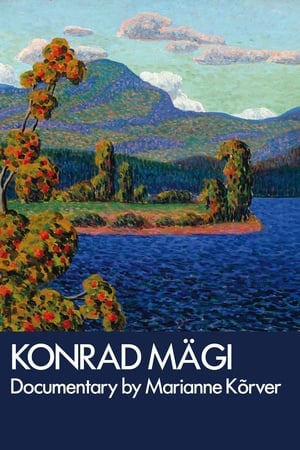
A documentary made for Konrad Mägi exhibition "The Light of the North" in Torino, Musei Reali (2019-2020), about Mägi's life and his legacy.
Documentary tour of the "Rembrandt: Late Works" exhibit at the National Gallery, London and subsequently at the Rijksmuseum, Amsterdam.
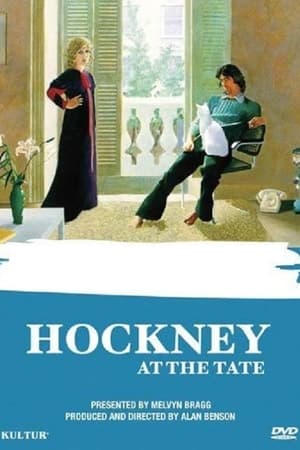
To mark his fiftieth birthday in 1988, London's Tate Gallery staged a major retrospective of his work. Melvyn Bragg joined David Hockney for an exclusive private view of the exhibition and they were filmed discussing pictures from all stages of Hockney's remarkable career.
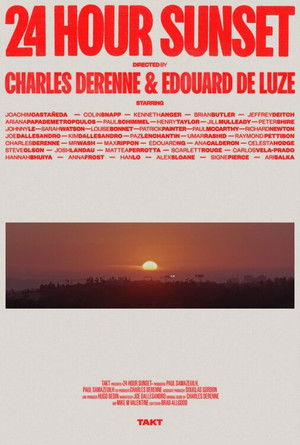
This film portrait of a new kind is a deep dive into the heart of the art scene of Los Angeles. From a ride on Sunset Boulevard in a convertible car at the sunrise, going through a lunch with the art dealer Patrick Painter and a visit to Peter Shire's studio... Having a beer and a deep talk with Paul McCarthy, calling Raymond Pettibon stuck in New-York or searching for Ed Ruscha in bars.... From Ariana Papademetropoulos opening exhibition to the visit of a car wreck with Umar Raschid... From the old house of Cary Grant to the dodgy underground of Downtown passing through Eugenio Lopez's private art collection on the Hollywood hills... Through intimate conversation, 24 Hour Sunset gives us access to the thoughts, inspirations and practice of legendary artists, world famous art dealers, appraised curators and collectors, as well as the young up coming scene of artists living in Los Angeles.
Bacon-Freud, face à face
An oral history of Artists Space, the legendary New York artists organization. Told through the voices of the artists, critics and curators who formed it, the film is narrated by voiceover culled from 30 hours of archival cassette tape interviews over a 45 year period. Artists such as Laurie Anderson, Mike Kelley, Hito Steyerl and David Wojnarowicz walk us through the decades. A formally-experimental and raucously-told chronology composed of rare archival documentation, The Business of Thought... is a reminder of the radical potential of the arts and the importance of collective, cultural spaces.
Elmyr de Hory was called "The Myth of our Century" when he was revealed as a master forger in 1968. Born in 1905, he made an estimated 1000 fake paintings, primarily in the style of the post-impressionists before he died - or disappeared - in 1976. In addition to faking paintings, Elmyr de Hory often faked his own identity, and traveled easily throughout Europe's high society.
The odyssey of the Mayice designers, who had to face to bring an impossible-to-manufacture piece to the Rossana Orlandi gallery, in Milan, in time to be exhibited at the Salone.