Michael Cockerell sheds new light on the tragi-comedy of the 1970s by focusing on some of its most controversial characters. With fresh filming and new interviews, along with a treasure trove of rare archive, the film presents the inside story of giant personalities who make today's public figures look sadly dull in comparison. The well-known journalist revisits some of his films on the big characters who helped shaped the 1970s in Britain. Both tragic and comic, it highlights just how much our world has changed in four decades.
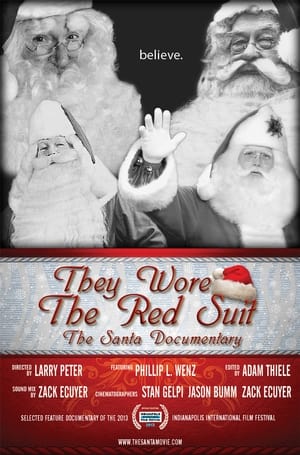
Every year, tens of thousands don the Red Suit for families, parties and parades, but only a handful of men have reclaimed the connection to childhood magic by turning the portrayal of Santa into a full-time career. They Wore the Red Suit is a documentary featuring the rare individuals who have devoted their lives to keeping that magic alive in the world by actually being Santa Claus 365 days a year.
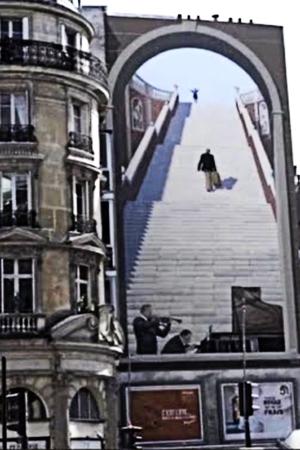
A look at contemporary Paris through the lens of theories and ideologies of the past two centuries, with a particular focus on the utopian socialist ideas of Charles Fourier.
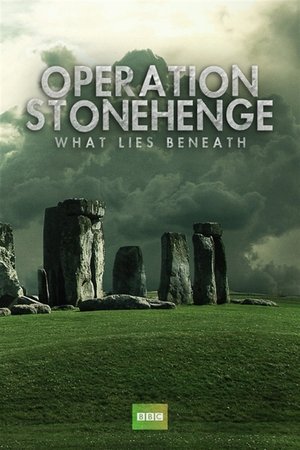
Stonehenge is an icon of prehistoric British culture, an enigma that has seduced archaeologists and tourists for centuries. Why is it here? What is its significance? And which forces inspired its creators? Now a group of international archaeologists led by the University of Birmingham and the Ludwig Boltzman Institute in Vienna believe that a new state-of-the-art approach is the key to unlocking Stonehenge's secrets. For four years the team have surveyed and mapped every monument, both visible and invisible, across ten square kilometres of the sacred landscape to create the most complete digital picture of Stonehenge and the surrounding area over millennia. Operation Stonehenge takes the viewer on a prehistoric journey from 8000BC to 2500BC as the scientists uncover the very origins of Stonehenge, learning why this landscape is sacred, preserved and has been revered by following generations.
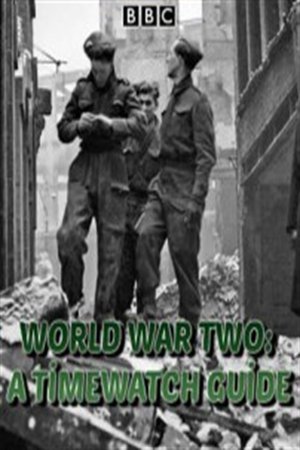
Professor Saul David uses the BBC archive to chart the history of the world's most destructive war, by chronicling how the story of the battle has changed. As new information has come to light, and forgotten stories are remembered, the history of World War Two evolves. The BBC has followed that evolution, and this programme examines the most important stories, and how our understanding of them has been re-defined since the war ended over 70 years ago.
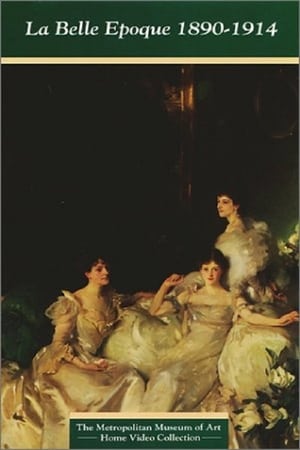
Featuring Douglas Fairbanks Jr. and Diana Vreeland, La Belle Epoque evokes "the beautiful era" of 1890-1914, a time in which the wealthy upper classes of the Western world gave themselves over to a life of elegance and taste-making, their eyes closed to the increasing social and political turmoil fermenting beneath the surface of polite society. The program uses period motion pictures, photographs, and sound recordings, as well as the arts and fashions of the period to supplement the spoken memories of the participating interviewees who actually lived... La Belle Epoque.
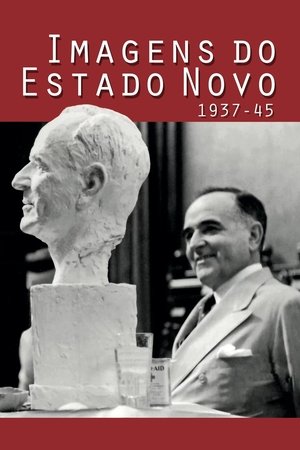
Resorting on a vast archive material of newsreels, photographs, letters, family videos, fiction movies, diary and popular songs excerpts, the documentary reassesses the legacy of the dictatorial period of Getúlio Vargas (1937-1945). Through the comparison and analysis of these heterogeneous records, produced for different purposes, from political propaganda to family celebration, the film explores the several layers of the political web of the Estado Novo, exposing its external inspirational sources, functionality and contradictions.
Huw Edwards presents a documentary examining the relationship between Victorian prime ministers Benjamin Disraeli and William Gladstone, whose bitter personal rivalry dominated British politics for 40 years.
In 1928, Lady Heath became the first person to fly solo from Cape Town to London. Eighty-five years later, Tracey Curtis-Taylor set out in a vintage biplane to fly that adventure again. Following Tracey as she retraces the journey, The Aviatrix is more than just a film about the rapture of flying – it’s a story about living life on your own terms and having the courage and determination to realise your greatest dreams.
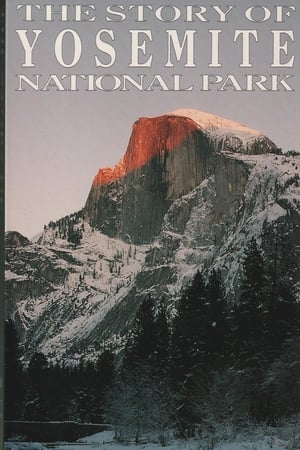
Mountain men Joseph R Walker was probably the first non-Indian to see Yosemite, in 1833, but not until the California militia entered the valley rounding up the Ahwahneechee Indians was the region discovered. In June, 1864, President Abraham Lincoln signed the Yosemite Grant, making it a California State Park. It became famous through the writings of Horace Greeley and the efforts of John Muir. Cinematographer Dennis Burkhart captures in this video the magnificence of Yosemite Valley (El Capitan, Bridalveil Fall, Half Dome), the High Sierra (John Muir Trail, Tuolumne Meadows, Tioga Pass) and the Mariposa Grove of giant sequoias. The camera catches the wildlife that roams the 1,1170 square miles of Yosemite, i.e. the mule deer, mountain lion, black bear, coyotes, bighorn sheep, and the rare peregrine falcon. This video reveals why 3.8 million visitors come each year and stand before awe-inspiring panoramas they will never forget.
A retired teacher investigates the shadowy history of his rural Missouri community, including the origins of a looming structure known as the Rockpile.
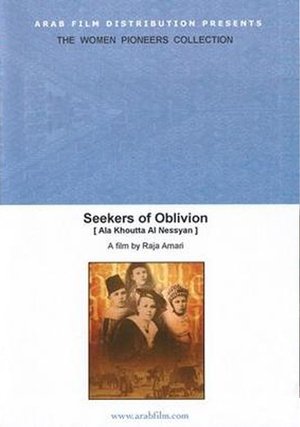
Seekers of Oblivion explores the exciting life and adventures of Isabelle Eberhardt. Born in Geneva, Switzerland in 1877, Isabelle left Europe for North Africa at a young age. While there, she consorted with tramps, prostitutes, soldiers, murderers and thieves, at times masquerading as a man in orde.
The Goodyear blimp has been an aerial ambassador for the Goodyear tire and rubber company for over 90 years. Join the Spirit of America, one of the last GZ-20 airships of the world. Follow the crew who care for her as she makes the final flights into the history books of aviation and marks the end of Goodyears history of designing and manufacturing their own airships.
La sombra del elefante
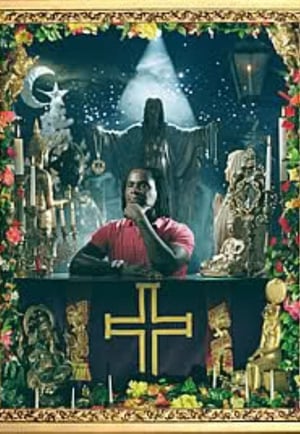
Was the Christ Story stolen from other, older religions? Theologian Dr Robert Beckford investigates remarkable parallels between the stories of Jesus, Krishna, Buddha, Mithra, and other major religious entities, and examines how these similarities impact Christianity and its message.
Toma de Belchite y Teruel
Examines the early 1980s Hong Kong filmmaking community. Tony Rayns interviews some of the new generation of filmmakers and figures from the wider film culture.
Music documentary about Billo Frómeta by director Rafael Marziano Tinoco from Venezuela.
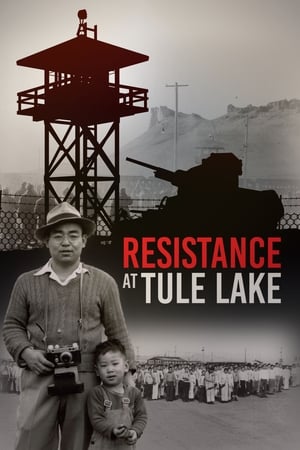
The long-suppressed story of 12,000 Japanese Americans who dared to resist the U.S. government's program of mass incarceration during World War II. Branded as 'disloyals' and re-imprisoned at Tule Lake Segregation Center, they continued to protest in the face of militarized violence, and thousands renounced their U.S. citizenship. Giving voice to experiences that have been marginalized for over 70 years, this documentary challenges the nationalist, one-sided ideal of wartime 'loyalty.'
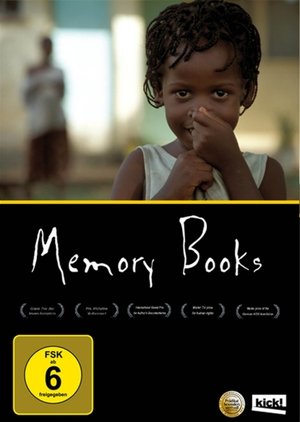
In Uganda, AIDS-infected mothers have begun writing what they call Memory Books for their children. Aware of the illness, it is a way for the family to come to terms with the inevitable death that it faces. Hopelessness and desperation are confronted through the collaborative effort of remembering and recording, a process that inspires unexpected strength and even solace in the face of death.