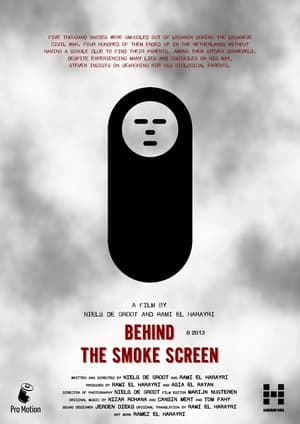
In the collective imagination, international adoption evokes images of children being saved from a life of destitution in poorer countries by being adopted by families in Europe or America. But the reality that has emerged is one of child trafficking, falsified documents and governments around the world turning a blind eye.
When Ines died, she left a very particular legacy, 10 books that read 'For my children'; it was the story of her life. Marked by a youth idyllic love, Ines was forced to marry a violent and womanizer man with whom she had 20 children. In the 50s, she managed to get divorce and 20 years after her death, Luisa, great-granddaughter of INES, reads, rescues and makes visible her history.
When she realizes that her grandmother, the woman who raised her, is losing her sight, the director decides to explore the bond that unites them through the episodes of non-vision that these three generations share, the memories of the past, the misunderstandings and the new memories they seek to have in common.
My mother has died. Her name was Maria. Her children, we, Raúl and Santiago, discover among the objects left by our mother hundreds of photographs from our maternal grandfather, from REGINA -our great-aunt-, from our mother, from our father... And through those photographs, and with the help from an old camera -my grandfather's inheritance-, I, -along several trips to the places where those photographs were taken-, seek to recover and not lose my memory... that of my family. In the end, we will have to think on our memory and on what we have preserved and lost.
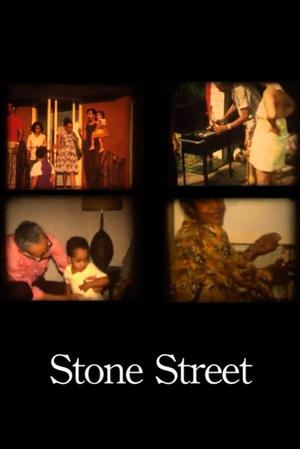
Stone Street documents the life and experiences of a Trinidadian diaspora family and their enduring connection to the long standing family home in Port of Spain. Through the intersecting journeys of this extended and extensive family, the filmmaker explores themes of home, belonging and identity in a life defined by the fragmentary nature of a migratory Caribbean culture. This experimental documentary combines a lyrical first person voice with a family archive of home made audio visual artifacts, interviews and events. As the documentary explores the fragmentary nature of Caribbean identity, it simultaneously celebrates the fragments of domestic memorializing found in home movies, videos and photographs. Stone Street uses these various forms to evoke the experience of a complex and diverse Caribbean and Caribbean diaspora identity.
The free, almost naive view from the perspective of a child puts the "68ers" in a new, illuminating light in the anniversary year 2008. The film is a provocative reckoning with the ideological upbringing that seemed so progressive and yet was suffocated by the children's desire to finally grow up. With an ironic eye and a feuilletonistic style, author Richard David Precht and Cologne documentary film director André Schäfer trace a childhood in the West German provinces - and place the major events of those years in completely different, smaller and very private contexts.
A filmmaker confined to a psychiatric institution tries to find healing by bringing together all the members of his family for a collective experiment: using a construction game set, they must try to recreate as precisely as possible the happiness that once filled their family home, which disappeared 25 years ago. If even one family member managed to restore everything perfectly, the patient would be cured - that much is certain. But nothing was ever going to go as planned.
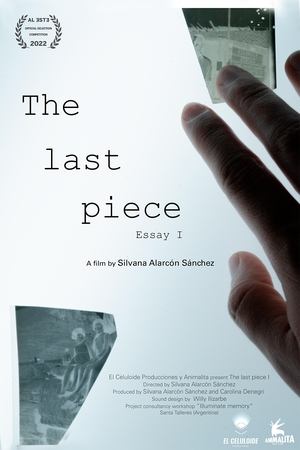
Disrupt, reject, destroy, avoid: At the interrupted rhythm of the broken photographs that a granddaughter has rescued from her grandfather’s hands, the last piece reconstructs the memory of an older man who has decided to leave behind his life impulses to surrender to sleep and calm. An essay on the act of joining our memories, the illusion of remembering and the freedom to forget.
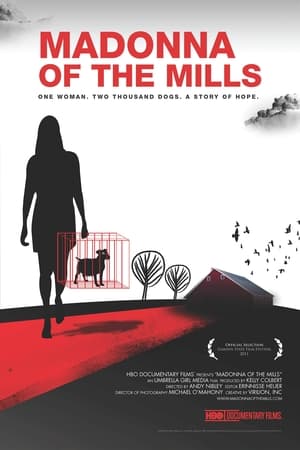
Uplifting tale of Staten Island woman who creates modern underground railroad and rescues 2,000 dogs condemned to death in Amish Country puppy mills. The film chronicles Laura F on her weekend rescue missions to Amish Country. With her Brooklyn mom and Staten Island girl friends by her side, Laura embarks on a four-year odyssey to rescue dogs from the hellish conditions of Amish puppy mills. The film follows four of the dogs from the time their lives are spared until they are nursed back to health and placed with their forever families. We see the dogs leave the cages where they have spent their entire lives and watch these dogs, who were given up for dead, transform the lives of the people who adopt them.
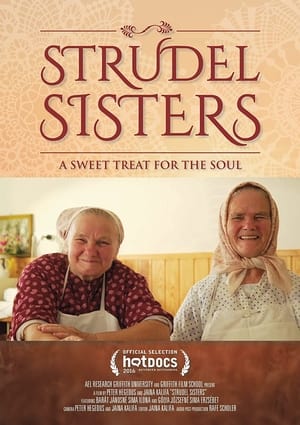
Two elderly sisters share the delicate art of making traditional Hungarian strudel and reveal a deeply personal family story about their mother, who taught them everything they know.
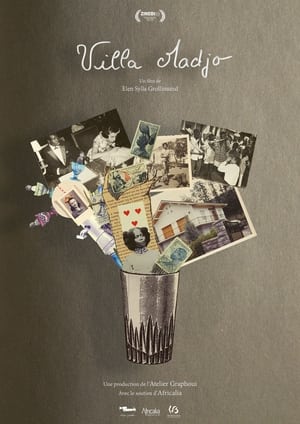
Villa Madjo
School lunch chef Wanda McAfee-Conart reflects in her job and how it connects her to the sensory environment and to her own family history.
Memory prevents rest and a woman about to die takes advantage of cinema to tell her story (inseparable from that of Franco’s Spain) and to say goodbye. A terrace as a border and a song that crosses time. At home, nothing is always—and everything is still—in the present and defunct now. A home movie of ghosts, a generous gesture of intimacy and solidarity that not witnesses two people at the end of their long lives, but also reveals the weight of history and of the 20th century, which is always present today.
Filmmaking icon Agnès Varda, the award-winning director regarded by many as the grandmother of the French new wave, turns the camera on herself with this unique autobiographical documentary. Composed of film excerpts and elaborate dramatic re-creations, Varda's self-portrait recounts the highs and lows of her professional career, the many friendships that affected her life and her longtime marriage to cinematic giant Jacques Demy.
The documentary follows three couples of parents or aspiring parents grappling with the extremely difficult adoption process.
A film that delves into director Jean Carlomusto's family history by trying to find out if the rumors about her grandmother's death -- trying to rid herself of an unwanted pregnancy in 1939 -- are true.
Through divorce, adoption and second marriages, none of the children in the Van Wijk family have the same biological parents.
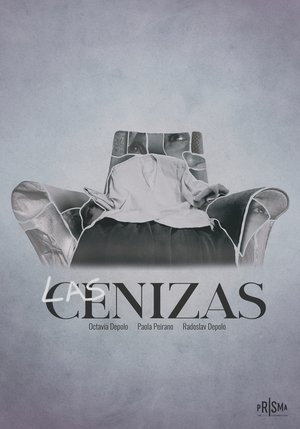
A cellar. A forgotten amphora. The ashes of a woman. Her granddaughter, daughter-in-law and son characterise her, entwining their memories and experiences. They reflect about filial love, gender and isolation through her overbearing nature.
Behind the Smoke Screen
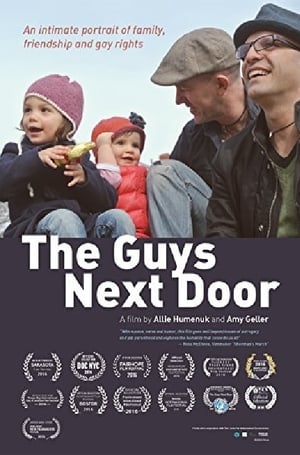
An intimate portrait of a real Modern Family: Meet Erik and Sandro, a gay couple with daughters birthed by their friend Rachel who's married with three teenagers of her own.