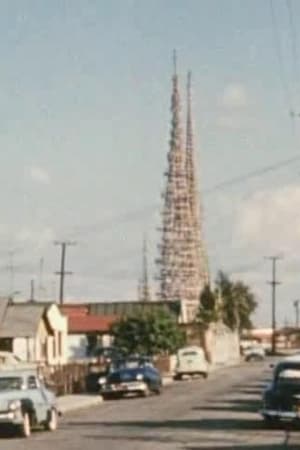
Documentary about the Watts Towers. Preserved by the Academy Film Archive in 2009.
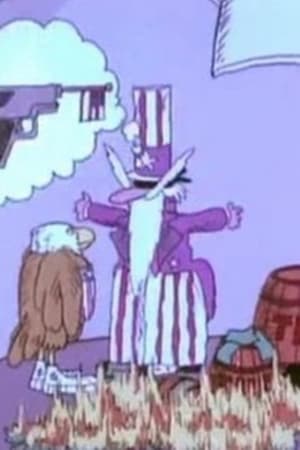
Uncle Sam has been living peacefully in the American southwest, running a gas station. But when terrorists kidnap the Statue of Liberty, Uncle Sam teams up with an eagle to go rescue her. Preserved by the Academy Film Archive in 2007.
35mm experimental short film. Preserved by the Academy Film Archive in 2015.
UCLA Student Color Film. "a documentary film of marked lyrical and experimental tendency which was photographed and recorded in a L.A. supermarket. It consists of five sequences: 1) description of people 2) Comedy 3) choreographing natural movements 4) transformation fo visual reality 5) empathy". Preserved by the Academy Film Archive in 2011. Filmed at Shopper's Market, Santa Monica, CA.

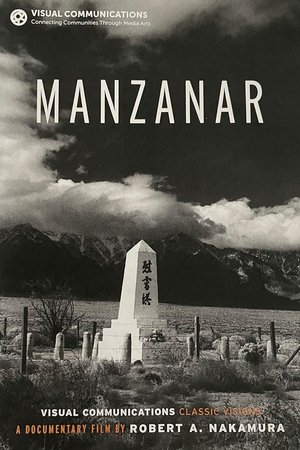
Short film about the Manzanar Japanese American internment camp. Preserved by the Academy Film Archive in 2011.
Short film produced by Visual Communications, the United States first Asian American film production company. Preserved by the Academy Film Archive in 2012.
Agitprop short made in West Germany. Preserved by the Academy Film Archive in 2005.
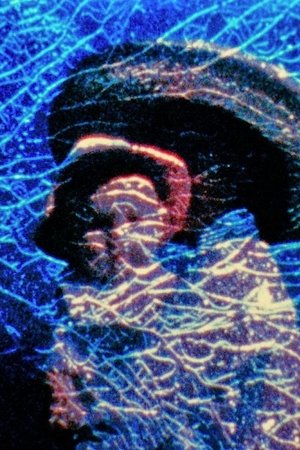
Color UCLA Student Film, Preserved by the Academy Film Archive in 2012. The film melds still photos, Hollywood film, television footage, and speeches with a solarized color overlay to portray Plains Native American life during the period of the United States settler military occupation of the North West. 'Described by the filmmaker as 'an elegy to the lost heritage of the plains Indians,' this is a moving and intricately made work utilizing still photos, film clips, television footage, bits of old speeches, solarized color, and stroboscopic effects.' - Media & Methods.
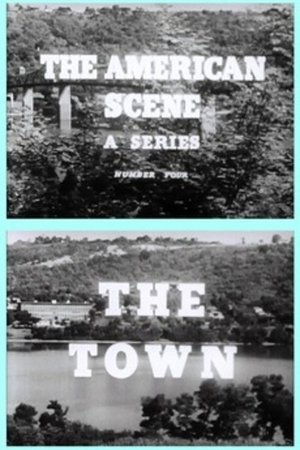
The Town was a short propaganda film produced by the Office of War Information in 1945. It presents an idealized vision of American life, shown in microcosm by Madison, Indiana. It was created primarily for exhibition abroad, to provide international audiences a more well-rounded view of America, and was therefore produced in more than 20 translations. Preserved by the Academy Film Archive in 2012.
Les Blank's poetic documentation of 1967's Los Angeles Easter Sunday Love-In. Preserved by the Academy Film Archive in 2002.
A little nachtmusick, a deep blue overture to the series. Breathing in the cool night airs, breathing out a children's song; then whispering a prayer for a night of easeful sleep. Preserved by the Academy Film Archive in 2012.
A “found object of paint and mold” given to Brakhage by the poet David Meltzer. According to Jane Brakhage, Stan did nothing to it but see it, splice it, and add titles. (From Barrett and Brabner. Stan Brakhage: A Guide to References and Resources)
Impoverished priest Harihar Ray, dreaming of a better life for himself and his family, leaves his rural Bengal village in search of work. Alone, his wife, Sarbojaya, looks after her rebellious daughter, Durga, and her young son, Apu, as well as Harihar's elderly aunt Indir. The children enjoy the small pleasures of their difficult life, while their parents suffer the daily indignities heaped upon them.
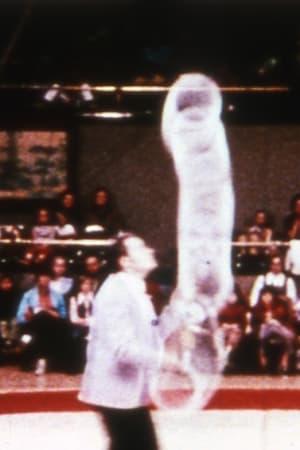
Nelson sets minimal, repetitive imagery against a looping recording of his daughter Oona, which goes gradually from sweet to curious to mysterious to cacophonous as the loops overlap each other. Since its premiere alongside The Great Blondino and other shorts in April 1967, the film has rarely been seen. It stands out as a more textural piece from Nelson, which, rather than retreating into pure abstraction or bland trippiness, subtly transmits an undercurrent of its ominous source material. —Mark Toscano. Preserved by the Academy Film Archive in 2010.
Coming in the wake of a whole movement of wild, ecstatic, psychedelic films loaded with unchecked energy and abandon, Throbs demonstrates a remarkable subtlety and restraint, as Fred explores variations in loops and cycles, weaving unlikely combinations of found and original footage to envelop us in a free associative dream world. —Mark Toscano. Preserved by the Academy Film Archive in 2008.
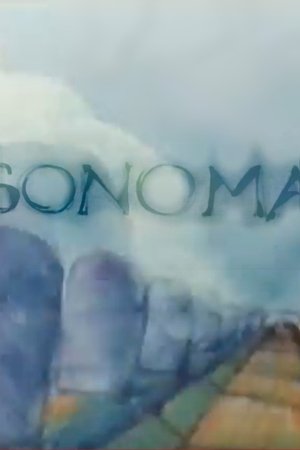
"I relocated to the Redwoods of Sonoma County upon graduation and in that relocation process the animation for Sonoma began. The design was built around the concept of the long wide horizontal 'pan' shot to express the concept of a dynamic landscape that passes across the screen like a traditional Chinese Scroll Painting. The deep personal meaning relates to the 'relocation' that was occurring within my own being after having done 2½ terms of active combat in the jungle as a carrier enlisted with the 82nd Airborne Division of the Army" -D. Pies. Preserved by the Academy Film Archive in 2012.
Adopting its title from a poem by Edna St. Vincent Millay, What’s Out Tonight Is Lost is an elegiac film sifting through the unrecoverable. The film is a reflecting pool where vision breaks up. Preserved by the Academy Film Archive in 2010.
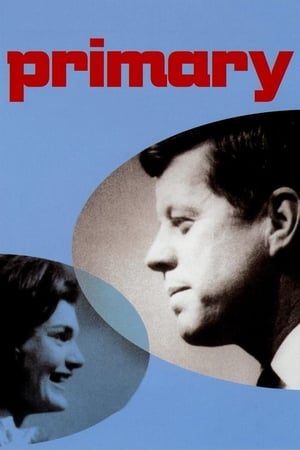
Primary is a documentary film about the primary elections between John F. Kennedy and Hubert Humphrey in 1960. Primary is the first documentary to use light equipment in order to follow their subjects in a more intimate filmmaking style. This unconventional way of filming created a new look for documentary films where the camera’s lens was right in the middle of what ever drama was occurring. Preserved by the Academy Film Archive in partnership with The Film Foundation in 1998.
A film by Hy Hirsh. Preserved by the Academy Film Archive in partnership with iotaCenter and National Film Preservation Foundation in 2000.
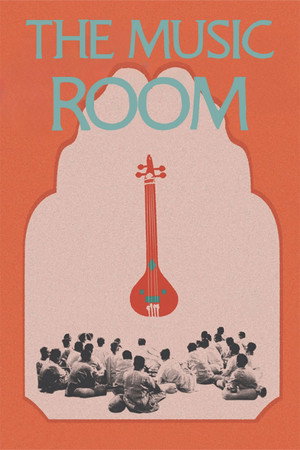
An aging, decadent landlord’s passion for music becomes the undoing of his legacy as he sacrifices his wealth in order to compete with the opulent music room of his younger, richer neighbour.