This experimental 1970 color documentary film, ostensibly designed to provoke classroom discussion employs a boldly unconventional approach to addressing the issues of drug addiction, featuring the music of Canadian singer-songwriter Bruce Cockburn. The film eschews narration for montage effects and extended fly-on-the-wall scenes of various drug users in conversation.
This short film takes a look at addiction and whom it affects, specifically those in the medical profession. It was sponsored in the interest of the medical profession by Winthrop Laboratories Limited
This program is an overview of best practices to keep a person who has overdosed alive between discovery and hospitalization. Practices include quickly finding or identifying the substance the person on which the person has overdosed and traveling to a hospital or other treatment site immediately. Several simulations of different situations are shown, and the narrator asks the viewer what he or she would do differently. It provides an excellent overview of the basic prehospital approach to an overdosed patient. The initial field management of a patient is covered, accompanied by well-done scenarios illustrating incorrect technique. Although the inclusion of more medical detail would have been beneficial, this is a compelling presentation which is highly recommended for use.
VALKYRIES
The humorous portrait of a female artist. The film follows the career of 24-year-old Janine F. who in 2002 caused a commotion from the rooftop of a Berlin building.
The PCP Story is a general overview of an emerging drug problem -the abuse of phencyclidine. The film is journalistic in approach as users and various authorities define the growth, effects, and dangers of the drug. Renowned researchers, R. Stanley Burns, M. D. and Steven E. Lerner, M.S., collaborated closely in the production to assure the accuracy of the film's content. Some of the characteristic signs of the low dose state of intoxication - the blank stare, ataxia, stuttering, incomplete verbal responses, and mystagmus upon testing - are graphically demonstrated by users.
An unnamed man narrates the downward trajectory of his life from beyond the grave, from delinquency to the string of fateful decisions and foolhardy moves that tied him inextricably to the opiate that was the elusive love of his life.
A newspaper clip of a 30-year-old movie makes our middle-aged protagonist in the middle of his peak years to look for his best childhood friend. The journey leads him back to his teenage years in the 1990s depression, over-generational substance abuse and past encounters. This partly essayistic, autobiographical documentary tells the story of friendship and generational experiences while also pondering on the causes and effects of destinies in the judgmental atmosphere of our society.
Kibera is the largest slum area in Nairobi, and the largest urban slum in Africa. This documentary depicts three important problems; violence, drugs (miraa) and albinos killing.The 2009 Kenya Population and Housing Census reports Kibera's population as 170,070, contrary to previous estimates of one or two million people .Most of Kibera slum residents live in extreme poverty, earning less than $1.00 per day. Unemployment rates are high. Persons living with HIV in the slum are many, as are AIDS cases. Cases of assault and rape are common. There are few schools, and most people cannot afford education for their children. Clean water is scarce. Diseases caused by poor hygiene are prevalent.
After a tragic series of events in his life, Rob discovers the over-the-counter drug known as codeine. The effects of the pill are so strong and addictive, that soon, Rob becomes dependant and consumes them daily. But the less he feels the more he misses, as his life degrades into a deep, dangerous, oblivion of bliss.
Filmmaker JJ Martin explores Gia Carangi's life through rare home movies and photos, previously unseen interviews with Gia, and contemporary interviews with family, friends, and associates.
Based on their book, “Why Knock Rock?”, and their church lectures, Dan and Steve Peters examines how rock music's obsession with sex, drugs and suicide is dangerous to young people. Since the dawn of Rock and Roll, there has been ministers howling about its evil affects. Ministers would tour the country's churches and college campuses with sermons and slide shows illustrating the Devil's influence on the rock music. In this film we certainly see that rock stars aren't the best role models for kids and teens, but the Peters brothers often miss the musician's point – especially with some of the lyrics. Dan and Steve do however seem to take a delight in presenting some of the 1980s more perverse album covers to young people.
A documentary of Steve-O’s downward spiral to when he ultimately hits rock bottom and is saved by the intervention of friends and his own will to do whatever it takes to get – and stay – sober.
Dompter son dragon
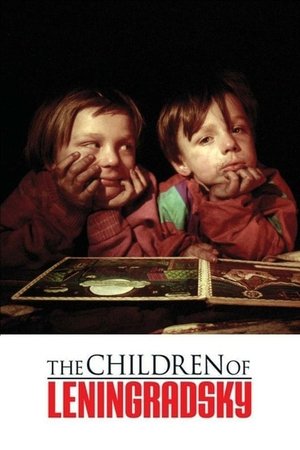
Since the fall of the Iron Curtain an estimated four million children have found themselves living on the streets in the former countries of the Soviet Union. In the streets of Moscow alone there are over 30,000 surviving in this manner at the present time. The makers of the documentary film concentrated on a community of homeless children living hand to mouth in the Moscow train station Leningradsky. Eight-year-old Sasha, eleven-year-old Kristina, thirteen-year-old Misha and ten-year-old Andrej all dream of living in a communal home. They spend winter nights trying to stay warm by huddling together on hot water pipes and most of their days are spent begging. Andrej has found himself here because of disagreements with his family. Kristina was driven into this way of life by the hatred of her stepmother and twelve-year-old Roma by the regular beatings he received from his constantly drunk father. "When it is worst, we try to make money for food by prostitution," admits ...
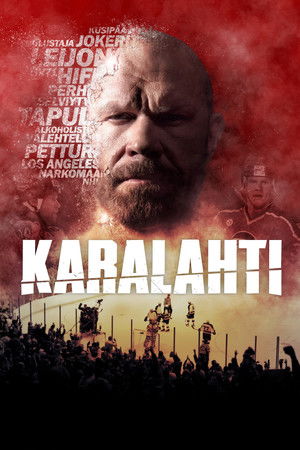
Documentary movie about a Finnish professional ice hockey player, Jere Karalahti. More than 50 people have been interviewed for the documentary film, such as Jere's family, coaches, journalists, fellow players and childhood friends. A profound documentary consists of archive material and dramatized scenes in addition to interviews.
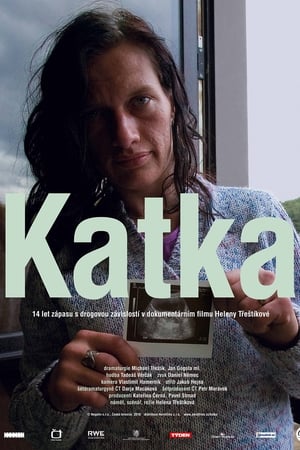
“You bet on someone in the beginning of the process and then you wait and see what life does with them.” This is how Czech director Helena Trestikova explains her long-term documentaries. Following on from the European Film Academy Award winning RENE (2008), Trestikova brings us KATKA – 14 years in the life of a drug addict. KATKA is an extraordinarily raw and uncensored character portrait of a troubled young woman living on the edge of human existence, desperately searching for love and salvation. Will she find it in the rehab? Will she find it in the arms of the man she loves? Or in the first cry of her long-desired baby? Tagging along with her through the back streets and squalors of Prague, Trestikova gets deep under the skin of a person most of us would cross the road to avoid, and shows us Katka’s profoundly human face. You might be angry with Katka, or your heart may go out to her. One thing is certain – you will never forget her.
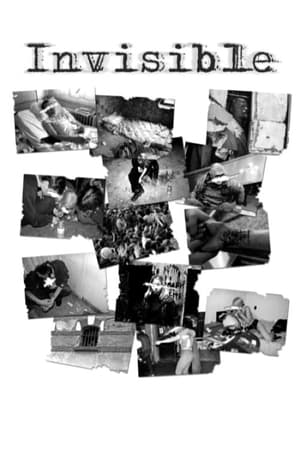
The story of six young people addicted to heroin in Sofia, Bulgaria.
Fiction and documentary mingle in a freewheeling portrait of Susan Superstar, a New York celebrity on a drug-fueled downward slide that mirrors Edie Sedgwick’s own self-destructive spiral.
Reindeerspotting is a documentary film of a group of young guys living in Rovaniemi, Arctic Circle, dabbling in petty crime and hard drugs. One of them, Jani, has lost five years of his life and two fingers to his debotators. He wants to leave Lapland and his old life behind. Robbing a supermarket is a start for his getaway. A few years back a documentarist, Joonas Neuvonen, was a young men living on social welfare, using drugs on daily basis. He started to film his friends and their life. This is the story of Jani.