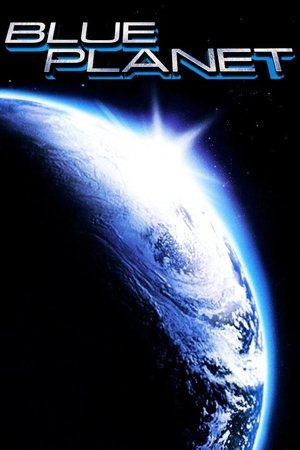
From the unique vantage point of 200 miles above Earth's surface, we see how natural forces - volcanoes, earthquakes and hurricanes - affect our world, and how a powerful new force - humankind - has begun to alter the face of the planet. From Amazon rain forests to Serengeti grasslands, Blue Planet inspires a new appreciation of life on Earth, our only home.
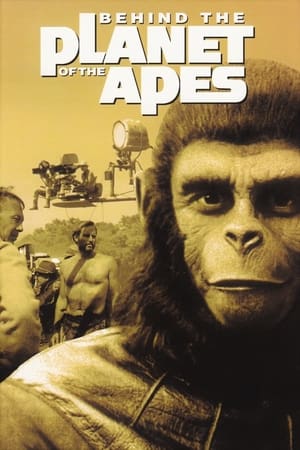
Roddy McDowall takes you, film by film, from production meetings to make-up sessions, then right onto the movie set to see the actual filming of the science fiction masterpiece. The most comprehensive history of Planet of the Apes ever created, this fascinating 127-minute documentary explores one of the most imaginative and influential series in movie history.
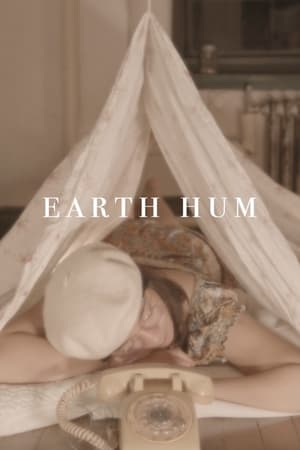
“Earth Hum” is dedicated to Rachel Martin’s Family Tree, a drawing that combines art, earth, and love all into one. In a conversation with Martin, we learn a little bit more about her art told through her own voice and drawings as well as the ethereal presence of friends and old Super 8 footage. Like Martin says, in art, you see that there are magical things happening but it is really very human.
Global warming in context. What the climate of the past tells us about the climate of the future.
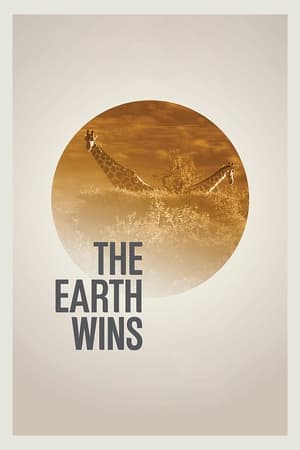
The Earth Wins explores the delicate balance between man and Mother Earth, our inter-dependence and the impact of man's actions upon the earth and her inhabitants. With music from Coldplay, The Temper Trap, New Order, indigenous musicians, and commissioned choral pieces, The Earth Wins is a visceral experience celebrating the magnificent diversity of the earth's riches and asking the most important questions of all, "How do we save ourselves from causing the planet's destruction?"
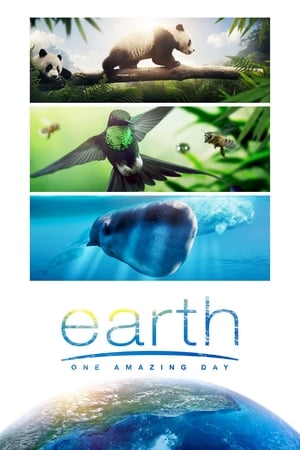
An astonishing journey revealing the awesome power of the natural world. Over the course of one single day, we track the sun from the highest mountains to the remotest islands to exotic jungles.
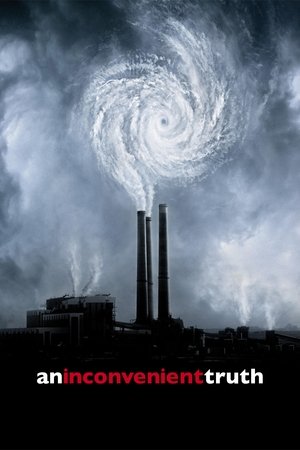
A documentary on Al Gore's campaign to make the issue of global warming a recognized problem worldwide.
A short about what happens under and around us. A chipmunk and a small mouse go on an adventure; they grow and learn about life and its obstacles.
Art has always investigated nature and man's connection with the world. Several contemporary artists have questioned the issues of climate change and environmental sustainability and have tried to amplify our ecological consciousness. Through the testimonies of artists of different generations such as Olafur Eliasson, Christo, Michelangelo Pistoletto and the gaze of critics such as Germano Celant and Carolyn Christov-Bakargiev, we retrace some of the most significant works.
In 200,000 years of existence, man has upset the balance on which the Earth had lived for 4 billion years. Global warming, resource depletion, species extinction: man has endangered his own home. But it is too late to be pessimistic: humanity has barely ten years left to reverse the trend, become aware of its excessive exploitation of the Earth's riches, and change its consumption pattern.
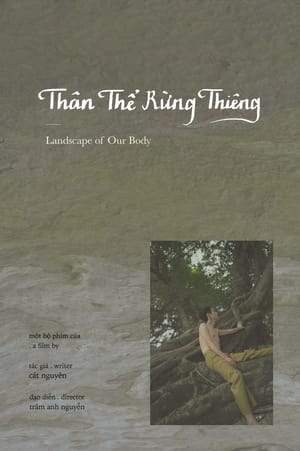
As queer trans and gender non-conforming children of the Vietnamese diaspora, we are fragmented at the crossroads of being displaced from not only a sense of belonging to our ancestral land, but also our own bodies which are conditioned by society to stray away from our most authentic existence. Yet these bodies of ours are the vessels we sail to embark on a lifetime voyage of return to our original selves. It is our bodies that navigate the treacherous tides of normative systems that impose themselves on our very being. And it is our bodies that act as community lighthouses for collective liberation. Ultimately, the landscape of our bodies is our blueprint to remembering, to healing, to blooming.
The earliest home of life on Earth was probably in the warm shallows of the ocean...
Sheds light on an alternative approach to farming called “regenerative agriculture” that could balance our climate, replenish our vast water supplies, and feed the world.
For more than twenty years, Hubert Reeves has put science, his media influence, and his energy at the service of a cause: biodiversity.
An unlikely team of activists and innovators hatches a bold mission to save endangered species.
This film illustrates how a revolution in one of the most basic of all human enterprises – the making of maps – is shedding new light on our planet's evolution as global temperatures rise. This original MagellanTV documentary explores the dynamic processes causing glaciers in Greenland and Antarctica to melt, and shows how rising seas could threaten coastlines around the world.
A fresh perspective on a modern-day miracle that many of us take for granted: flying. Narrated by Harrison Ford and featuring an original score from Academy Award® winning composer James Horner, the film takes viewers to 18 countries across all seven continents to illuminate how airplanes have empowered a century of global connectedness our ancestors could never have imagined.
The destiny of Sergio Leone from his poor childhood in a neighborhood under fascism in Rome until his last film in America. This guided the filmmaker's personal life and career to create his epic antiheroes and spaghetti westerns.
Without the moon, humans wouldn't exist. Life, if it had started at all, would be in its earliest stages of evolution. Days would last four hours, winds would blow at hurricane force and there would be a dense and toxic atmosphere resembling that of Venus. Around 50 million years after the formation of the solar system, a Mars-sized planet called Theia hit the newly formed Proto-Earth. The blast sent planetary material from the pair into orbit around earth which eventually formed the Moon. In this one-hour special, viewers learn what Earth was like before the moon creating impact, and what Earth would have been like if the moon had never existed.
Fifteen images of a camera running in a park and in obscurity searching the space of light through distorsion and the sensory of rapid motion.