Two brothers are divided by marriage and fate during the 100 horrifying days of the 1994 Rwandan genocide.
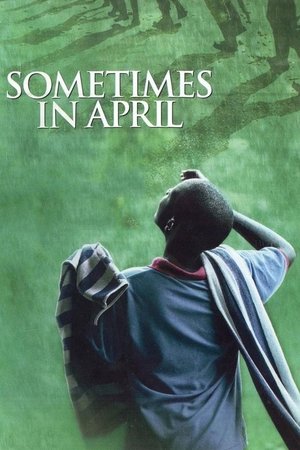
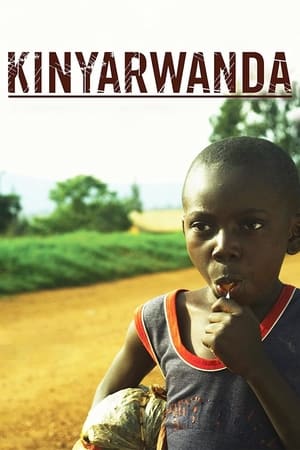
Following the story of a genocide survivor as well as son of a killer, the film revolves around the meaning of an old coat and its symbolic value for the young boy’s dramatic past. (African Film Festival, New York)
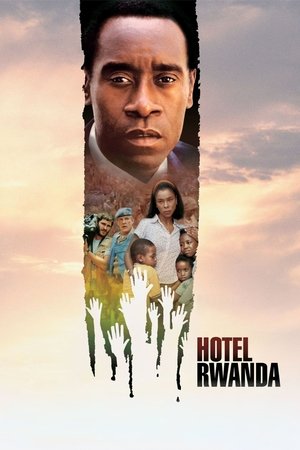
Inspired by true events, this film takes place in Rwanda in the 1990s when more than a million Tutsis were killed in a genocide that went mostly unnoticed by the rest of the world. Hotel owner Paul Rusesabagina houses over a thousand refuges in his hotel in attempt to save their lives.
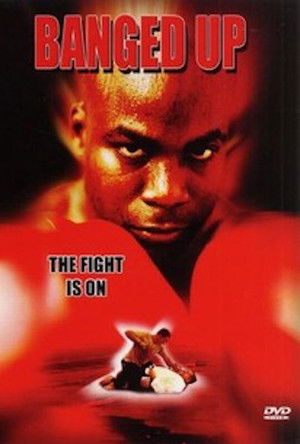
A teenager is rescued from war-torn Rwanda and brought to the United States. He Struggles to fit in but has little luck till he meets a has been boxing coach. Together they prepare for the fight of their lives...
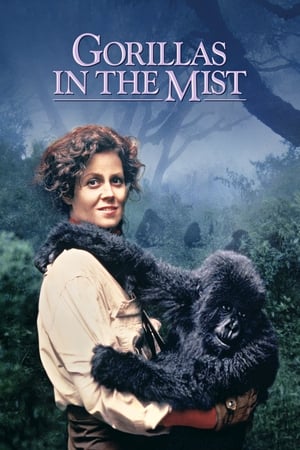
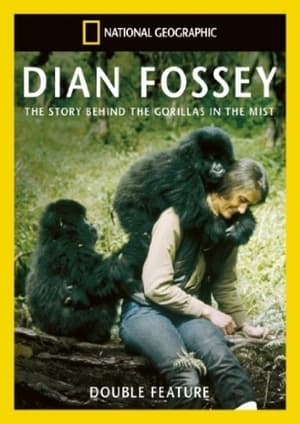
The story of Dian Fossey, a scientist who came to Africa to study the vanishing mountain gorillas, and later fought to protect them.
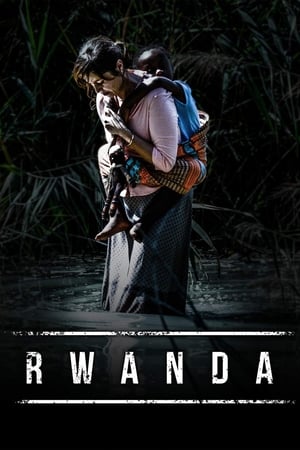
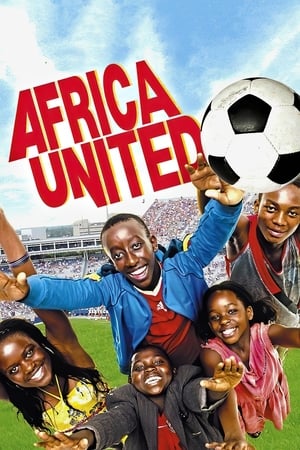
Two white Italian actors play Black Rwandans in a fact-based tale set during the Rwanda genocide.
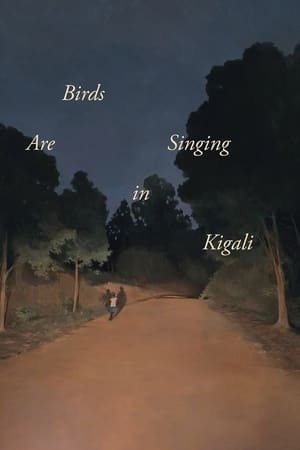
We meet ornithologist Anna in 1994 just as genocide is raging in Rwanda, perpetrated by the majority Hutus against the Tutsis. Anna manages to save the daughter of a colleague whose family has been murdered, and she takes her to Poland. But the woman returns to Rwanda to visit the graves of her loved ones. The director originally worked on the movie with her husband Krzysztof Krauze (My Nikifor – Crystal Globe, KVIFF 2005), but after his death in 2014 she eventually finished this challenging picture alone.
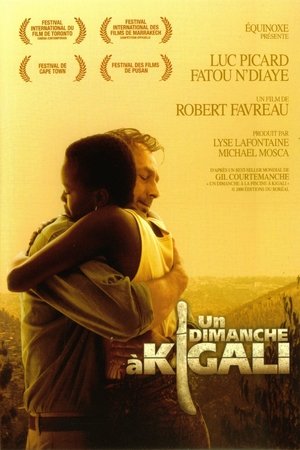
In April 1994, the middle-aged Canadian journalist Bernard Valcourt is making a documentary in Kigali about AIDS. He secretly falls in love for the Tutsi waitress of his hotel Gentille, who is younger than him, in a period of violent racial conflicts. When the genocide of the Tutsis by the Hutus in Rwanda begins, Bernard does not succeed in escaping with Gentille to Canada. When the genocide finishes in July 1994, Bernard returns to the chaotic Kigali seeking out Gentille in the middle of destruction and dead bodies.
A young Tutsi woman and a young Hutu man fall in love amid chaos; a soldier struggles to foster a greater good while absent from her family; and a priest grapples with his faith in the face of unspeakable horror.
Opération Turquoise
The film centres on a family from Rwanda, who are reestablishing their lives after moving to Ottawa, Ontario as refugees, with Akai being forced to step up and take care of his younger sister Zera after their mother's health takes an unexpected decline.
Rwanda. Summer of 1994. Didi (12) survived thanks to her smarts and hatred for all living creatures, especially humans. Eric (8) survived thanks to his wild imagination and sensitivity. The two kids of opposite tribes are forced to venture together into the post massacre land in search for food, new home and their lost souls.
A campaign is launched to prevent peasants from leaving the countryside for the city. The village tries to adapt the advice of the technicians for self-sufficiency.
David a 24-year old news-photographer is in Rwanda to report on the genocide. Together with the 30-year-older reporter Mats, he travels through the war-torn country and tries to portray the genocide of Tuti and moderate Hutu's in 1994.
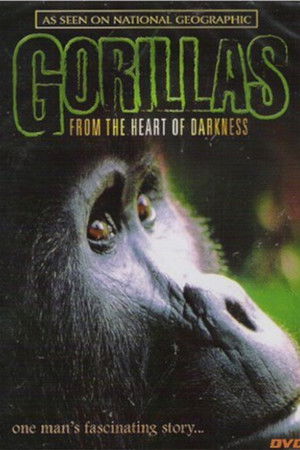
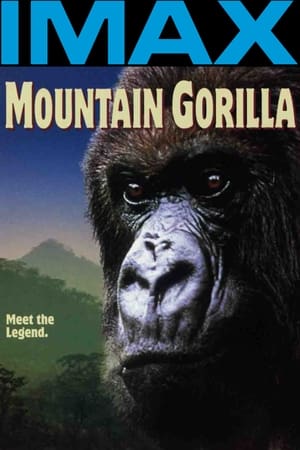
Mountain Gorilla takes us to a remote range of volcanic mountains in Africa, described by those who have been there as ""one of the most beautiful places in the world"", and home to the few hundred remaining mountain gorillas. In spending a day with a gorilla family in the mountain forest, audiences will be captivated by these intelligent and curious animals, as they eat, sleep, play and interact with each other. Although gorillas have been much-maligned in our popular culture, viewers will finally ""meet the legend"" face to face, and learn about their uncertain future.
Follow comedian Ellen DeGeneres as she fulfills her dream of protecting Fossey’s legacy by building the The Ellen DeGeneres Campus of the Dian Fossey Gorilla Fund in Rwanda.
Biniam Girmay’s recent successes have shown that African cycling is on the up, ready at last to follow athletics and football into the big time. But why has it taken so long, and what’s needed to take it all the way? Set against the beauty and battles of the Tour du Rwanda, we explore the past, present and future of riders from Eritrea, South Africa, Rwanda and more, meeting Girmay and the rising stars hot on his heels, as well as the people passionate about giving these riders the opportunities they deserve. This is the story of the next great continent in cycling - Africa.
Coexist tells the emotional stories of women who survived the Rwandan genocide in 1994. They continue to cope with the loss of their families as the killers who created this trauma return from jail back to the villages where they once lived. Faced with these perpetrators on a daily basis, the victims must decide whether they can forgive them or not. Their decisions are unfathomable to many, and speak to a humanity that has survived the worst violence imaginable.
The aftermath of the Rwandan genocide: A student theatre troupe tours Rwanda with a comedy about the genocide, a gang of killers gets rough justice at the local genocide court, and a prosecutor investigates a priest for the murder of five Tutsi children. Meanwhile, in neighbouring Tanzania, two of the genocide's leaders face the United Nations tribunal in snappy suits, defended by a panoply of French lawyers.
Ghosts of Rwanda marks the 10th anniversary of the Rwandan genocide with a documentary chronicling one of the worst atrocities of the 20th century. In addition to interviews with key government officials and diplomats, this documentary offers eyewitness accounts of the genocide from those who experienced it firsthand. FRONTLINE illustrates the failures that enabled the slaughter of 800,000 people to occur unchallenged by the global community.