Twenty-year-old Anaïs works with her father on a farm that is struggling to keep operating. When their fertilizer distribution machine, borrowed from the farming cooperative, is stolen, Anaïs reacts, and fights in order to continue working, and to keep her father, on the brink of giving up and selling their farm, afloat. She also grows closer with a seasonal worker who she suspects is behind the robbery.
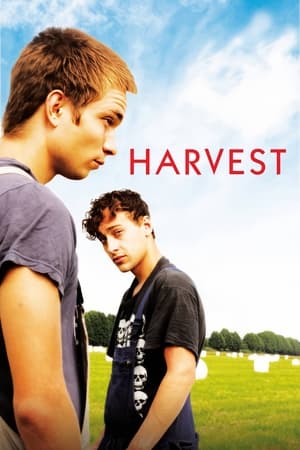
Pajo is a hardworking, lonely but also very rich farmer. His son Toma was, however, bored with country life and tried to seek fortune in the city. Short on money, Toma returns to the farm for a handout while Pajo tries to convince him to stay.
A rising star at agri-industry giant Archer Daniels Midland (ADM), Mark Whitacre suddenly turns whistleblower. Even as he exposes his company’s multi-national price-fixing conspiracy to the FBI, Whitacre envisions himself being hailed as a hero of the common man and handed a promotion.
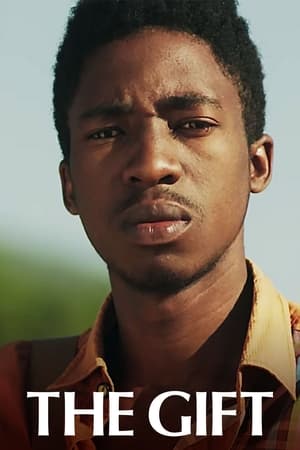
Mashoto’s life in the city is a hustle. It’s a fast life in the fast city of Dar es Salaam. There’s no time to stop and Mashoto likes it this way. There’s no time to think about the people he left behind in the village. Until silence cuts through the city racket with three words: mother has died. With those words Mashoto’s life changes forever. He returns home, to the place he abandoned, to bury his only ally. Yet his mother has left behind a gift. Her voice, her unseen presence, a gentle whisper urging him to open his eyes and strain his ears- to learn the lessons of nature, of the earth and the roots that draw their nourishment from it. Cast out by his father after losing the little money his mother had left, Mashoto must learn to survive from the land. He must learn to face old enemies and forge new alliances, to fight and to love. Most of all, Mashoto must discover what it is he is fighting for.
Salim and Alì, two Nigerian brothers, work in a tomato field managed by Fulvio, a violent and racist corporal. Alì, as opposed to Salim, lives a life which goes over the legality. One day, Fulvio commands the two brothers to deliver a drug shipment to a notorious local criminal, but on the return something goes wrong. The corporal's son, Vincenzo, will help Salim to escape his father's brutality.
A group of young men kidnaps a politician-gangster, who is awaiting the results of an election. What are they after?
Shindo Yuya quits his job and joins the agriculture and forestry division of Takasaki City in Gunma Prefecture which is tasked with the regional revitalization of the local agriculture industry.
The farmers of Punjab face problems due to the lack of agricultural facilities whereas the youth face their own personal issues when it comes to dealing with problems that come with growing up.
The silent majority is the Costa Rican peasantry, which has been the object of traditional contempt and which has manifested itself in various forms: unfair salary compensation, bad prices for their agricultural products, financing difficulties, land grabs, precarious housing and educational conditions. health. Precariousness, peasant migrations and the depletion of the agricultural frontier are also analyzed in the film.
Balam Balam
Government agents find evidence of extraterrestrial life at the South Pole.
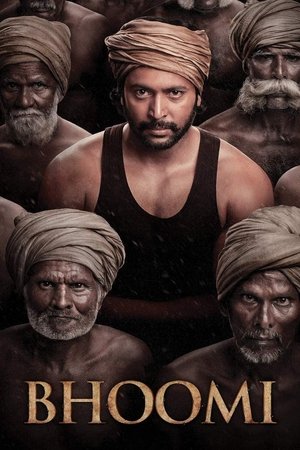
Bhoominathan, a NASA scientist, returns to his drought-affected village in Tamil Nadu and decides to fight against the evil corporates and corrupt politicians responsible for the plight of his people.
A young woman leaves the city to return to her hometown in the countryside. Seeking to escape the hustle and bustle of the city, she becomes self-sufficient in a bid to reconnect with nature.
Agricultural officer Sachithanandan and his wife Shyama's life changes after his friend Jose visits to stay with them for few days.
Set in the South just after the US Civil War, Laurel Sommersby is just managing to work the farm without her husband, believed killed in battle. By all accounts, Jack Sommersby was not a pleasant man, thus when he suddenly returns, Laurel has mixed emotions. It appears that Jack has changed a great deal, leading some people to believe that this is not actually Jack but an imposter. Laurel herself is unsure, but willing to take the man into her home, and perhaps later into her heart.
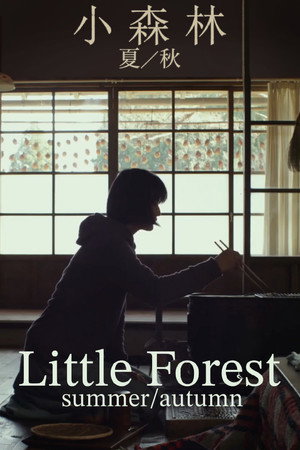
Fleeing heartbreak in the big city, Ichiko returns to Komori, her rural hometown. She battles summer's rain and humidity, bakes her own bread, grows hothouse tomatoes and tills the fields. During autumn, the time for pickling and preserving fish and sweet potatoes, Ichiko begins reaping rice and recalls her departure five years before.
El Abuelo
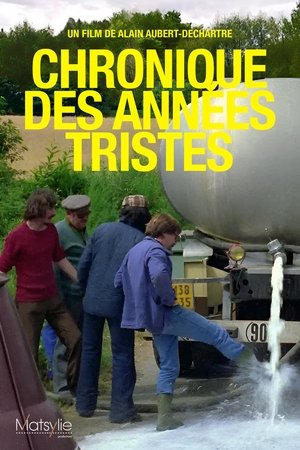
Here is a film that is, to say the least, singular. A fiction filmed under Giscard, in two farming families, one in Brittany and the other in Languedoc. One sees the Catholic mass and the mass of the television news, one hears the Benedicite and the Internationale, a rural class struggle is played out, daily peasants against the aristos in the middle of a hunt...Chronicle of the Sad Years tells the story of the new forms of subjection suffered by the workers of the land, discovering the perverse effects of the CAP and the growing influence of agribusiness. A film in which the director, Alain Aubert-Dechartre, stages a historical turning point, the forced conversion of peasants into technicians of farms of which they will be the first to be exploited
Gunasingam, a family-loving farmer who hails from a small town, tries his best to keep his big family united despite him being misunderstood by many.
Ichiko bakes a cake for an end-of-year party with her friends. In the depths of winter, making mochi and curry keeps the people of Komori warm. Later, spring brings thoughts of her absent mother as well as rice planting and sakura, and she begins to think of leaving Komori behind again.