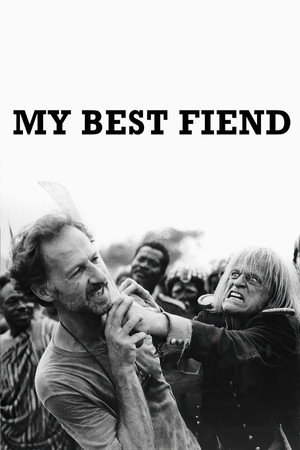
A documentary about Fassbinder and the early years of the legendary Antiteater, the group he was a member/leader of. You can here see and hear some of the actors he was going to use in his movies for the next years. The movie shows rehearsals for his play "The Coffeehouse," which also became a television movie, and you can watch unique footage from the 19th Film Festival in Berlin (1969) where "Love is Colder Than Death" was shown. As told in this documentary, his first feature movie was given a cold shoulder by many of the journalists and visitors at the festival. You can in "End of the Commune" watch Fassbinder and actor Ulli Lommel walk out on stage after the opening of "Love is Colder Than Death,” while a man in the audience is shouting "Out with the director!” In this documentary, Fassbinder also talks a lot about his father, who was a respectable doctor.
A documentary about the life of Johnny Cash and the making of Walk the Line (2005).
Nous les ouvriers
The first half is a salute to John Wesley Powell, the first man to explore the Colorado River. Walt Disney presents a behind-the-scenes look at the filming of Ten Who Dared on the same waters. Then the True-Life Adventure Featurette: Bear Country is shown.
The film follows the story of a San Francisco Pentecostal minister Richard Gazowsky on his quest to shoot a groundbreaking fantasy film called Gravity: The Shadow of Joseph (described by him as "Star Wars meets The Ten Commandments"). The film follows him and members of his church as they go through pre-production and fly to Alberobello, Italy, for initial shooting that turns out to be marred with difficulties.
A feature-length documentary about the film Galaxy Quest and its legacy, celebrating its milestone 20th anniversary.
A thrilling comedic documentary attempting to uncover the mystery of who is responsible for one of the most infamous bloopers in cinematic history.
A documentary about the making of, and legacy of, the Forbidden Planet movie.
A documentary on the making of The Amazing Spider-Man 2 (2014), featuring interviews with the cast and crew, as well as behind-the-scenes footage.
Acclaimed Finnish director Rauni Mollberg made several scandalous yet widely appreciated films. Former co-worker Veikko Aaltonen’s eye-opening documentary The Dinosaur looks at the relentless, often disturbing directing techniques behind Mollberg’s art and success.
Experience an inside look at David Bowie's incredible influence on music, art and culture via interviews with some of the people who knew him best.
Behind the scenes of Mathieu Kassovitz's 'The Crimson Rivers'
The team behind 'The Crimson Rivers' explains how the autopsy scene was assembled.
Behind the scenes of David Twohys 'Below'
A journey through the work of Spanish filmmaker Juan Piquer Simón (1935-2011).
Les Enfants de Terezin et le Monstre à Moustache
Through rare archive footage, the documentary traces the forty years of Enver Hoxha's communist regime in Albania, revealing cinema as a weapon of power.
The history of the Yakuza Eiga at the TOEI studio is roughly outlined. Real Yakuza and also their connections to the movie business are discussed, and many important actors and directors of the genres are interviewed. Former real yakuza boss turned actor Noboru Ando, Takashi Miike, Sonny Chiba and many more get a chance to speak.
What makes European cinema so special? Find out in Paul Joyce’s feature-length documentary, Pictures of Europe, which examines the differences between American independent and Hollywood movies and films from European directors. Featuring luminary iconoclasts from European cinema such as Agnes Varda, Bernardo Bertolucci and Pedro Almodovar, as well as American counterpoints from Paul Schrader, and those who have crossed back and forth, such as Paul Verhoeven
Documentary on Les Charlots, known as The Crazy Boys in the English-speaking world, a group of French musicians, singers, comedians and film actors who were popular in the 1960s, 1970s, and early 1980s.