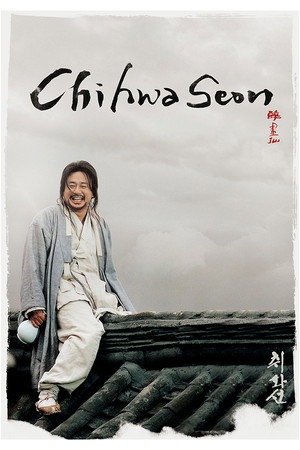
Jang Seung-eop, also known as "Chihwaseon," drinks and paints all day. Through Mae-hyang, he learns the meaning of fate, sees art beyond even the smallest things, and sets out for the path he seeks.
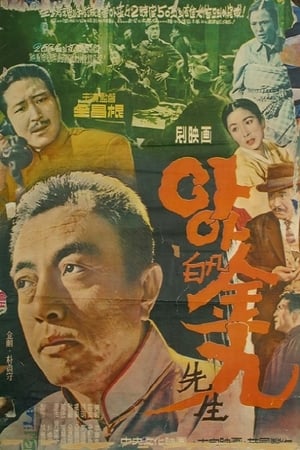
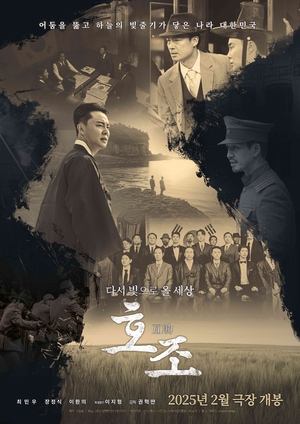
Kim Chang-su, who participated in the Donghak Movement, escapes to Manchuria after being chased by the Japanese army, finally making his way home. Angered by the assassination of Empress Myeong-seong, he murders a Japanese lieutenant and is sent to jail. He escapes from prison turns his focus on the democratic movement by teaching civilians and organizing Sinminheo (a democratic organization), even changing his name to 'Kim Gu.' After he is imprisoned again, he gets out on parole and goes to China, where he participates in establishing a provisional government from which he can direct the anti-Japanese struggle. Kim Gu goes on to play a part in Yun Bong-gil's deeds in Shanghai, the events at Hongkou Park, the encounter with Jiang Jish, and the establishment of the Korean National Army, and leads the struggle for Korea's independence with warm fraternal love and clear national spirit. When Korea is liberated in August 15, 1945, he returns back to his native land.
In the late 19th century Catholicism was gaining a foothold on Jeju island, much to the horror of the Confucian community, who were seeing their influence diminishing as well as getting increased taxes from Catholic-friendly government officers. The conflict became a religious war that resulted in a rebel Confucian army massacring hundreds of Christians in little more than a matter of days. The Uprising details the events leading up to the assault, focusing on the story of Yi Jae-su, the young man destined to become the leader of the rebel army.
In the era of corruption, Hak-gyu sings songs and tells stories on the street with his band. One day, Hak-gyu's wife Gan-nan is kidnapped by gangsters and his daughter Cheong loses her eyesight after the incident. He decides to travel in search of his missing wife and learns that corrupted noblemen are behind the mob.
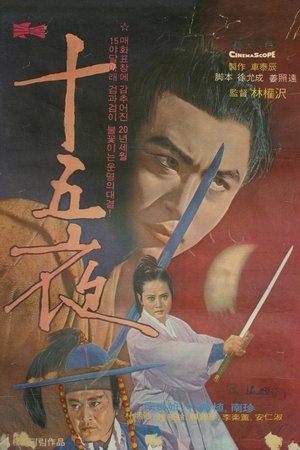
The Night of Full Moon
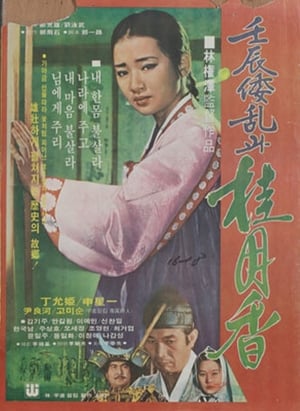
Japanese Invasion in the Year of Imjin and Gye Wol-hyang
Late 18th-century Joseon dynasty. The King is beleaguered and surrounded by traitors of the ruling elite. They plan to assassinate and replace him with a puppet. But the King has some aces up his sleeve that may help him defeat them all.
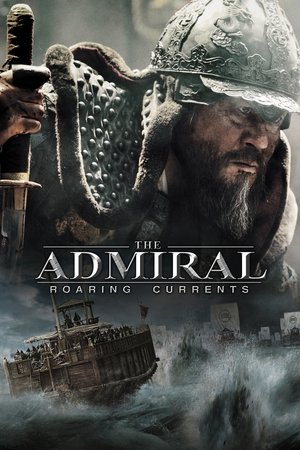
Admiral Yi Sun-sin faces a tough challenge when he is forced to defend his nation with just 13 battleships against 300 Japanese enemy ships in the Battle of Myeongryang.
A historical drama based in the Joseon times about a person who falls in love with his stepsister.
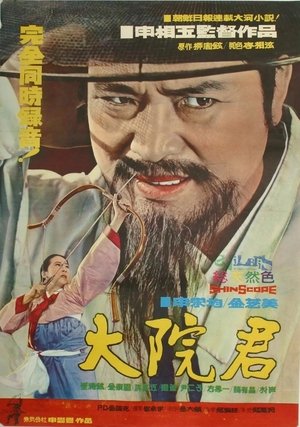
When King Cheol-jang dies, the throne passes to his son King Ko-jang but, because he is considered to be too inexperienced, his ambitious uncle rules as regent. The rightful king's wife, the politically brilliant Queen Min, refuses to accept this situation and brings about the uncle's exile in order to secure the throne.
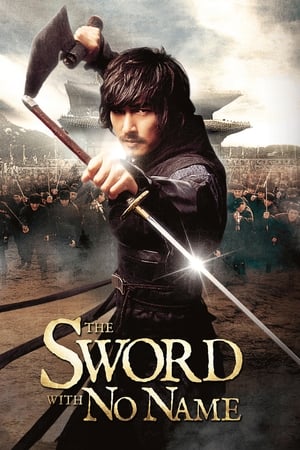
Mu Myeong is a Joseon dynasty headhunter who meets and falls in love with lady Ja Yeong who will become the future Empress Myseongseong. A few years later, Ja Yeong enters the royal palace to marry King Gojong. Mu Myeong still having feelings for Ja Yeong and in an attempt to get closer to her becomes her personal body guard.
Although born a daughter of an aristocratic family, Jin-yi discovers the secret behind her birth and enters into a life in a brothel as a gisaeng.
A young Japanese actress remembers her war childhood in Korea. Her father goes to fight, her baby sister Miko dies of typhoid, her beloved Korean maid Ohana is fired due to a mistake which could cost Chiko her life... By and by Chiko realizes that the country is being ruled by the Japanese and the Koreans are persecuted. When the war ends, the Koreans chase the Japanese rule and the roles change. Now Chiko's family is unwanted. But then the Russians come and this is the end. They have to burn all the pictures to avoid all suspicions... even Miko's picture. But when the Russians come to their house, they decide to flee over the 38th Parallel towards freedom. A group of men, women, children struggles along the mountains, led by the light of the Northern Star. Along the way they meet a Korean man, who is willing to help them to escape the Russian soldiers although his family was killed by the Japanese.
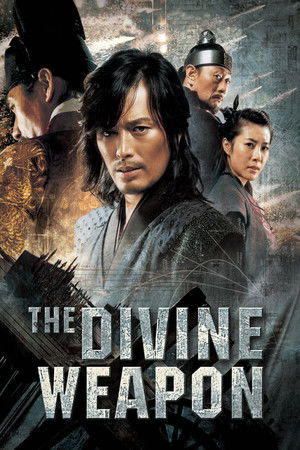
During the reign of King Sejong in the 15th century, the Joseon Dynasty was the embodiment of the perfect state. To the Ming China, the aspiring imperial power, Joseon presented an obstacle to territorial expansion. To protect themselves from war, King Sejong develops a secret weapon to defend their territory and take back their land and supremacy.
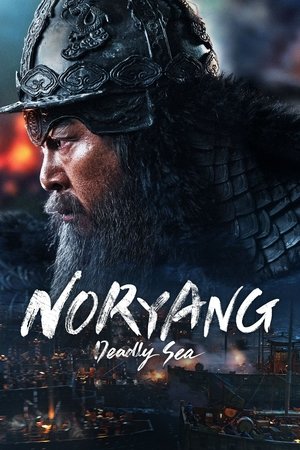
The Imjin War reaches its seventh year in December of 1598. Admiral Yi Sun-shin learns that the Wa invaders in Joseon are preparing for a swift withdrawal following the deathbed orders of their leader Toyotomi Hideyoshi. Determined to destroy the enemy once and for all, Admiral Yi leads an allied fleet of Joseon and Ming ships to mount a blockade and annihilate the Wa army. However, once Ming commander Chen Lin is bribed into lifting the blockade, Wa lord Shimazu Yoshihiro and his Satsuma army sail to the Wa army's rescue at Noryang Strait.
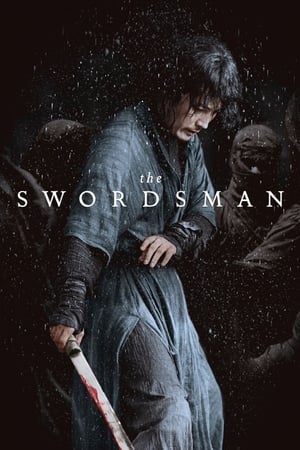
Ancient Korea, 1728. Swordsman Kim Ho, guard of King Yeong-jo of Joseon, is demoted and sent to work in Uigeumbu prison. When night falls, the prison is assaulted by the master warrior Do Man-cheol and his powerful henchmen for the purpose of freeing Lee In-jwa, who has been condemned to death for rising up in revolt against the king.
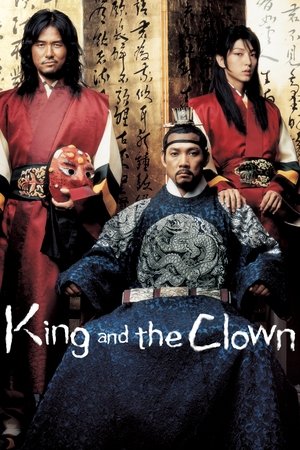
Two clowns living in Korea's Chosun Dynasty get arrested for staging a play that satirizes the king. They are dragged to the palace and threatened with execution but are given a chance to save their lives if they can make the king laugh.
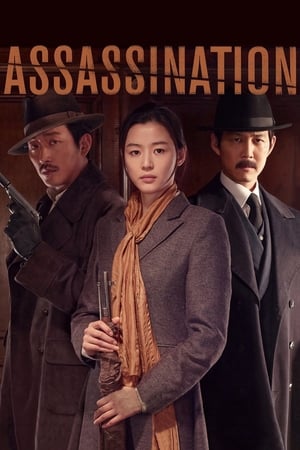
La Resistance
After being blinded in a coup against the king, Joseon's greatest swordsman goes into hiding, far removed from his city's anguish. But when traffickers kidnap his daughter, he has no choice but to unsheathe his sword once more.
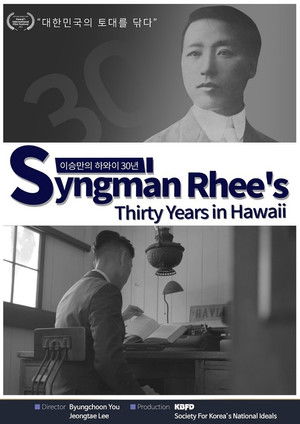
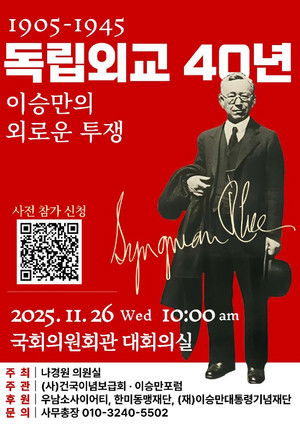
A documentary film covering the life of President Syngman Rhee and the contributions he made to the Republic of Korea, spanning his childhood, focusing on his independence movement, the founding of the nation, the process of leading to victory in the Korean War, and the process of laying the foundation for Korea's industrialization.