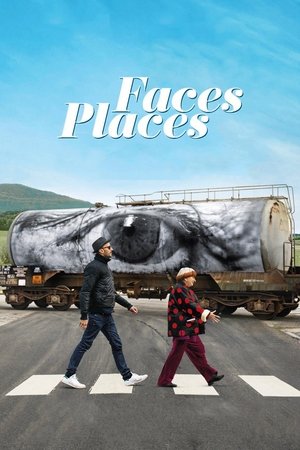
Director Agnès Varda and photographer/muralist JR journey through rural France and form an unlikely friendship.
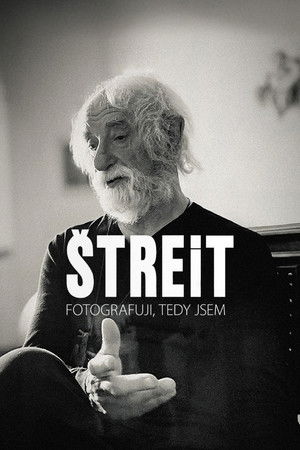
A creative and personal retrospective of the renowned photographer Jindřich Štreit, accompanied by a selection of his photographs, footage from exhibitions, and encounters with those closest to him.
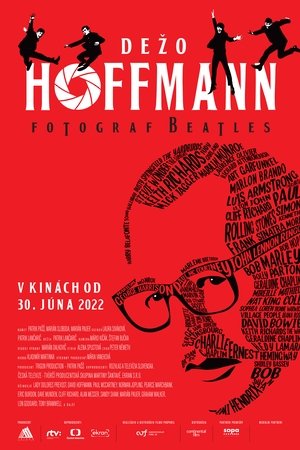
Everyone knows the story of The Beatles, few tell know the one of Dezo Hoffmann. However, fate arranged it so that their life paths crossed at the most fortunate time. They stood on the brink of worldwide fame, he was in his fifties, when many already think of leaving the scene. Their energy, freedom and joy of life enchanted him fully. They rejuvenated him, he was bursting with ideas and did what he knew best - he photographed. He took more pictures of the Beatles than anyone else, recording all the significant events of their dazzling career. And not only them. His photographs of the famous show business stars have become iconic images full of life, spontaneity and movement. And although he created one of the world's most fascinating archives of the pop scene, few knew that his unique photographic manuscript was backed by years of experience as a war cameraman, where slowness and hesitation had no place because every mistake was expensive.
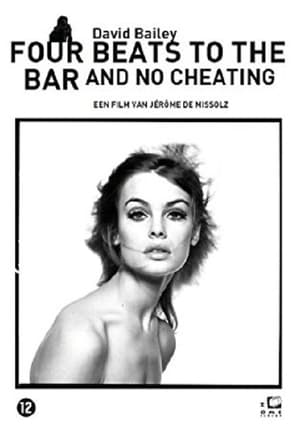
From Vogue magazine fashion photographer to filmmaker, painter and sculptor, Bailey is the working-class Londoner who befriended the stars, married his muses (Jean Shrimpton, Catherine Deneuve, Marie Helvin) and captures the spirit and elegance of his times with his refreshingly simple approach and razor-sharp eye. He is also the man whose life and work inspired one of the cult movies of the sixties, Michelangelo Antonioni's Blow-Up, and who has constantly travelled the globe either with the most beautiful models or chronicling the contemporary reality of Papua New Guinea, Brazil, Vietnam, Afghanistan and other countries with ground-breaking reportages. Above all, Bailey is a romantic with a delightful sense of humour approaching his 73rd year and showing no sign of slowing up. Director Jérôme de Missolz has created an engaging portrait of this very private man who bared the soul of the swinging sixties and seventies with his photographs and films.
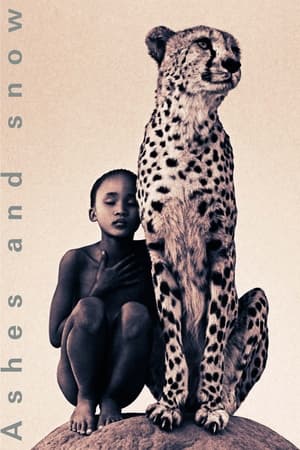
Ashes and Snow, a film by Gregory Colbert, uses both still and movie cameras to explore extraordinary interactions between humans and animals. The 60-minute feature is a poetic narrative rather than a documentary. It aims to lift the natural and artificial barriers between humans and other species, dissolving the distance that exists between them.
Portrait of photographer Bengt Åke Kimbré where he narrates his own life story accompanied by his photographs.
Bunny Yeager, 'The world's prettiest photographer', started out as a beauty contest winner and professional photographer's model in the 50's. She became one of America's top ten glamour photographers during the 50's and 60's. This pictorial shows 100 of her most glamorous models, featuring Bettie Page, and includes photographs and original footage of Bunny with the girls behind the scenes.
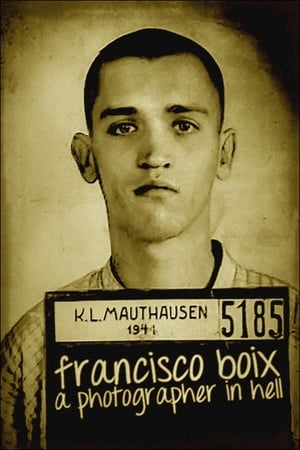
In 1939, just finished the Spanish Civil War, Spanish republican photographer Francesc Boix escapes from Spain; but is captured by the Nazis in 1940 and imprisoned in the Mauthausen concentration camp, in Austria, a year later. There, he works as a prisoner in the SS Photographic Service, hiding, between 1943 and 1945, around 20,000 negatives that later will be presented as evidence during several trials conducted against Nazi war criminals after World War II.
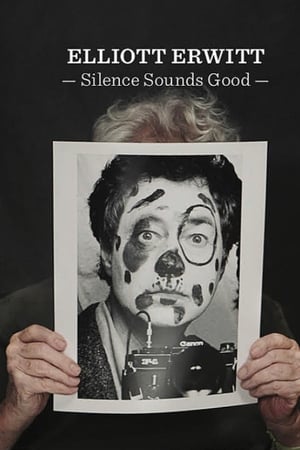
Elliott Erwitt has spent his entire adult life taking photographs, of presidents, popes and movie stars, as well as regular people and their pets. His work is iconic in world culture while his life is largely unknown.
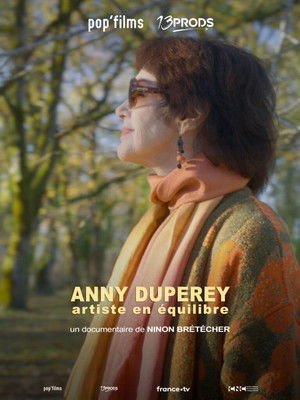
A popular actress, Anny Duperey lived a precarious life for many years until she found a place to settle down in Creuse. It is there that she keeps her photos, writes, and recharges her batteries. In this portrait, she breaks with convention by playing with her image and openly questioning the desires of an actress as her career is revisited.
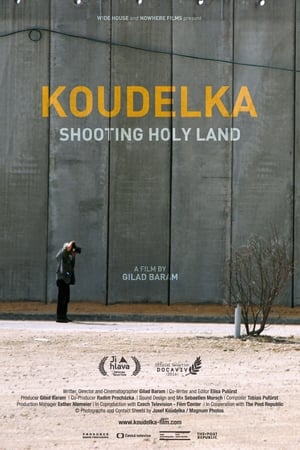
Czech Photographer Josef Koudelka grew up behind the Iron Curtain and always wanted to know "what was on the other side". Forty years after capturing the iconic images of the Soviet invasion of Prague in 1968, the legendary Magnum photographer arrives in Israel and Palestine. On first seeing the nine-meter-high wall built by Israel in the West Bank, Koudelka is deeply shaken and embarks on a four-year project in the region which will confront him once again with the harsh reality of violence and conflict. Director Gilad Baram, Koudelka's assistant at the time, follows him on his journey through the Holy Land from one enigmatic and visually spectacular location to another.
An account of the life and work of the multidisciplinary Spanish artist Mariano Fortuny Madrazo (1871-1949), textile and fashion designer, set designer, photographer, painter and engraver, known as the Leonardo Da Vinci of the 20th century.
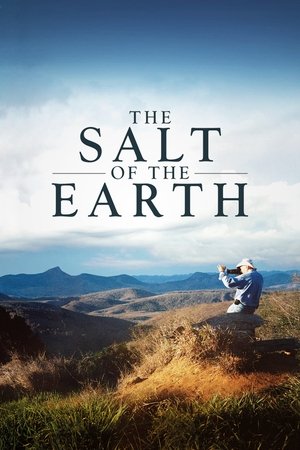
During the last forty years, the photographer Sebastião Salgado has been travelling through the continents, in the footsteps of an ever-changing humanity. He has witnessed the major events of our recent history: international conflicts, starvations and exodus… He is now embarking on the discovery of pristine territories, of the wild fauna and flora, of grandiose landscapes: a huge photographic project which is a tribute to the planet's beauty. Salgado's life and work are revealed to us by his son, Juliano, who went with him during his last journeys, and by Wim Wenders, a photographer himself.
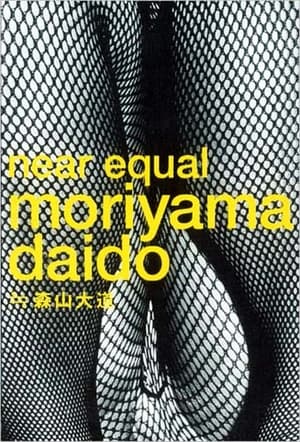
A documentary that follows the life of photographer Daido Moriyama in the present, which has never been revealed before. Even though his charismatic presence has reigned over the world of photography since the late 60’s, his true persona had been hidden behind a veil of mystery, since he had refused any major appearances in front of any media in the past. Follow the charismatic photographer Daido Moriyama as he takes his first digital photos and observe his style of quick snapshots without looking in the finder. His stark and contrasting black and white images symbolize his fervent lifestyle.
The life and work of American photographer Harold Feinstein, whose work garnered critical and commercial success. In his 2015 obituary the New York Times declared him “one of the most accomplished recorders of the American experience.” Howard Greenberg says Feinstein “ occupies high ground in the pantheon of street photography” yet, most people, have never heard of him. A prodigious talent, Feinstein photographed life in all its forms, when and where he wished. Whether this was as a draftee in the Korean War, in a Bebop infused Manhattan loft or rural hippy enclave in upstate NY, Harold’s 35mm black and white photographs captured the essence of life with a with a uniquely humanist eye. The re-discovery of Feinstein’s vast and diverse body of work came in his final years and the film meets him then; in his early 80s and with a zen-like appreciation for the life he lived.
Pinoi Rock & Rhythm sheds the spotlight on four obscure yet significant figures in contemporary Philippine Popular Culture. Rebel Disc Jockey Dante "Howlin" Dave David, Stills Photographer and former stuntman Mr. Johnny Albia, Elvis Presley devotee Mr. Chito Bertol and Pinoy Rock guitar icon Mr. Jun Lopito. The documentary unfolds lighthearted, candid and sometimes outrageous introspection from the four individuals on the ups and downbeats of their respective careers.
A camera crew follows Helmut Newton, the fashion and ad photographer whose images of tall, blond, big-breasted women are part of the iconography of twentieth-century erotic fantasy. He's on the go from L.A., to Paris, to Monte-Carlo, to Berlin, where he was a youth until he escaped from the Nazis in 1936. We see him on shoots, interviewing models, and discussing his work.
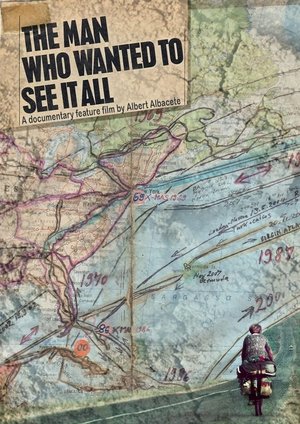
Heinz Stücke left Germany in 1962 with a bike, a tent and a goal: to see everything in the world. Now for the first time in 50 years, he's come home.
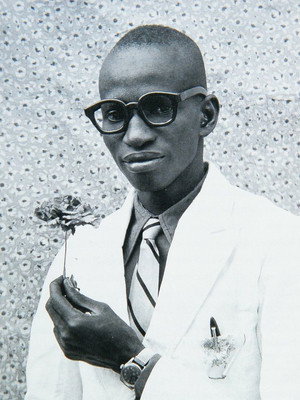
Keïta’s family and other witnesses to his remarkable career share their memories of the photographer and his studio, which he ran from 1948 to 1962. Against the backdrop of Bamako, whose citizens Keïta lovingly immortalized, the film grants rare insight into the artist’s practice and speaks to his photographs’ power as a record of the nation.
Andrzej Różycki's film is not only a portrait of Zofia Rydet, a female artist, and her working methods, but also a capture of maturity and great passion. Rydet lets the viewer into her world, allowing them to observe her and peek in without restrictions. With great calm, she talks about the anxieties that accompany old age, the inevitable processes associated with it, which, however, are unable to stop her enormous desire to capture moments that pass irretrievably. Rydet's mission is endless, just as the roads she photographed are endless. The artist's skills were a way of life for her; thanks to them, she created, got to know people, saw beauty, shared it, loved, observed the changing landscape, and communicated everything that words cannot express.