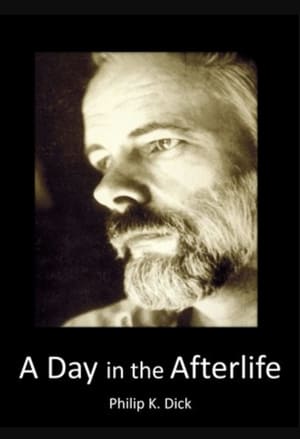
A poetic look at the life and legacy of legendary author Philip K. Dick (1928-1982), who wrote over a hundred short stories and 44 novels of mind-bending sci-fi, exploring themes of authority, drugs, theology, mental illness and much more.
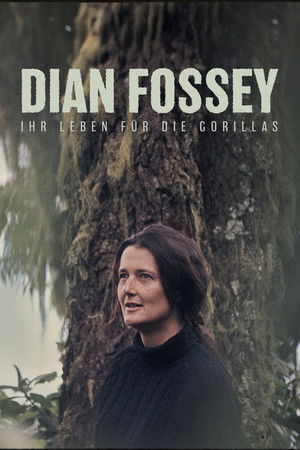
She was the first to study gorillas in their natural environment: the high mountains of Rwanda, where she settled in 1967. For nearly twenty years, Dian Fossey lived with the gorillas, observed their behavior, and changed the way people viewed them. Her relentless fight against poaching prevented the species from becoming extinct. But in December 1985, the primatologist was murdered, and the mystery surrounding her death remains unsolved. Former colleagues, scientists, and biographers shed light on the impact of her work, but also on the darker sides of her personality and her uncompromising commitment.
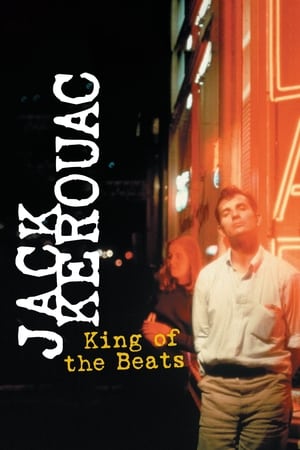
Jack Kerouac's life is examined through interviews with his contemporaries and friends including Allen Ginsberg, Lawrence Ferlinghetti and William S. Burroughs. The film also employs dramatic recreations of Kerouac's life beginning with his early childhood.
When looking for a gift for his kid, Jon Heder (Napoleon Dynamite) is introduced to the world of Grimdark. In that moment he starts down a journey that will take him all over the world and through interviews with prominent Grimdark authors, game developers, and dedicated fans, he delves into the themes that define the genre—all in an effort to find the man who started it all: John Blanche.
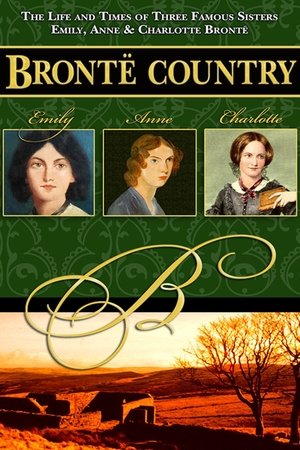
Travel back to Victorian Britain and wander the cobbled streets of Haworth to the sites that inspired the great Brontë sisters’ classic novels.
Armando Iannucci presents a personal argument in praise of the genius of Charles Dickens. Through the prism of the author's most autobiographical novel, David Copperfield, Armando looks beyond Dickens - the national institution - and instead explores the qualities of Dickens's work that still make him one of the best British writers. While Dickens is often celebrated for his powerful depictions of Victorian England and his role as a social reformer, this programme foregrounds the elements of his writing which make him worth reading, as much for what he tells us about ourselves in the twenty-first century as our ancestors in the nineteenth. Armando argues that Dickens's remarkable use of language and his extraordinary gift for creating characters make him a startlingly experimental and psychologically penetrating writer who demands not just to be adapted for television but to be read and read again.
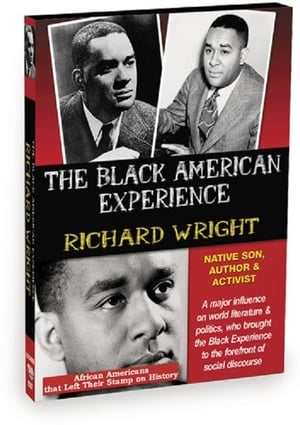
RICHARD WRIGHT was an African-American author of novels, short stories and non-fiction that dealt with powerful themes and controversial topics. Much of his works concerned racial themes that helped redefine discussions of race relations in America in the mid-20th century. Born on a plantation in Mississippi, Wright was a descendent of the first slaves who arrived in Jamestown Massachusetts. This program follows his arduous path from sharecropper to literary giant. Through authors like H.L. Menken, Sinclair Lewis, Theodore Dreiser, he discovered that literature could be used as a catalyst for social change. In 1937 Wright moved to New York and his work began to garner national attention for it's political and social commentary. Much of Wright's writing focused on the African American community and experience; his novel Native Son won him a Guggenheim Fellowship and was adapted to the Broadway stage with Orson Welles directing in 1941.
An examination of the life of great Russian author Leo Tolstoy, who penned the 1877 novel Anna Karenina.
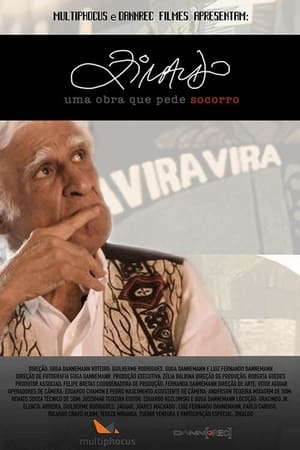
The film seeks to address the risks that Ziraldo's work takes. In a building abandoned ten years ago, the cartoonist's "Santa Ceia", a six-meter-high work painted in 1967, is far from the public and subject to the effects of time
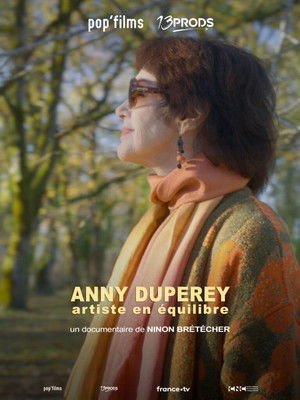
A popular actress, Anny Duperey lived a precarious life for many years until she found a place to settle down in Creuse. It is there that she keeps her photos, writes, and recharges her batteries. In this portrait, she breaks with convention by playing with her image and openly questioning the desires of an actress as her career is revisited.
The English novelist, John Le Carré discusses his life as a secret agent and writer in this documentary about spies in fact and fiction, produced for British television.
Hugues Aufray, l'éternel jeune homme
Hosted by Keeley Hawes, star of the popular television series The Durrells, this documentary reveals the adventures of the eccentric Durrell family once they left Corfu, Greece.
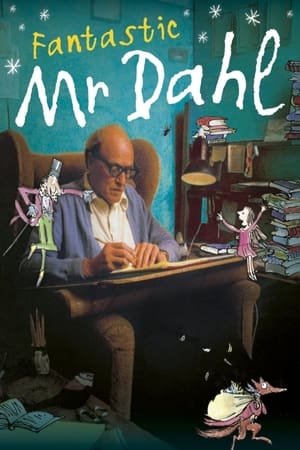
Documentary about author Roald Dahl, produced for the British television series Imagine.
The making of Jerzy Kosinski. The BBC documentary on the life and art of enigmatic novelist Jerzy Kosinski. Through interviews with his second wife Kiki von Fraunhofer-Kosinski, friends and fellow authors, and Polish villagers who knew Kosinski when he was a child hiding from the scourge of Nazism, this program attempts to assess the verity of Kosinski's "autobiographical" fiction, the need for him to maintain a nebulous mystique about his early life, and to understand his obsession with S&M sex clubs in Manhattan during the 1970s and 1980s.
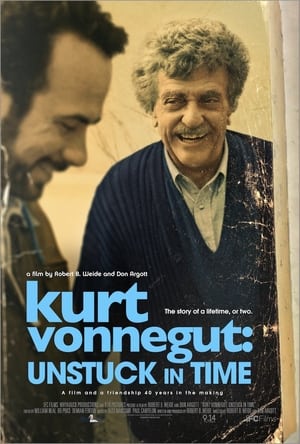
A documentary 33 years in the making. A director and friend of Kurt Vonnegut seeks through his archives to create the first film featuring the revolutionary late writer.
Rumer Godden the 88 year old author is taken back to India, where she lived from 1908-1945 to revisit her unconventional life there and to share with her daughter the experiences which inform all her writing.
Unable or unwilling to conform to the rigid atmosphere of Washington and Lee College as a freshman, Ed bailed out after a brief stint there to attend—and graduate from—Miami of Ohio. After graduate work at UK, he left for the Left Coast, and it suited him just fine. The first stop was a writing instructorship at Oregon State, then enrollment into the Stanford Writing Program, a move shared by Jim, Wendell, and Gurney. There he cultivated, among other things, relationships with Larry McMurtry, Robert Stone, and—most importantly—Ken Kesey. Ed didn’t just experience the 1960s; he wallowed in them. Also, a bonus interview from 1996 program, Signature Live.
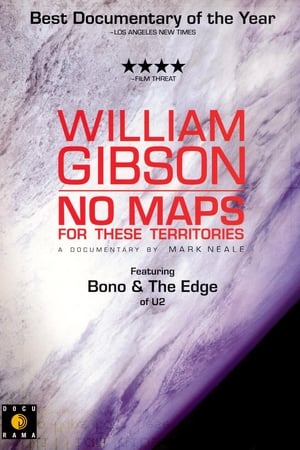
On an overcast morning in 1999, William Gibson, father of cyberpunk and author of the cult-classic novel Neuromancer, stepped into a limousine and set off on a road trip around North America. The limo was rigged with digital cameras, a computer, a television, a stereo, and a cell phone. Generated entirely by this four-wheeled media machine, No Maps for These Territories is both an account of Gibson’s life and work and a commentary on the world outside the car windows. Here, the man who coined the word "cyberspace" offers a unique perspective on Western culture at the edge of the new millennium, and in the throes of convulsive, tech-driven change.
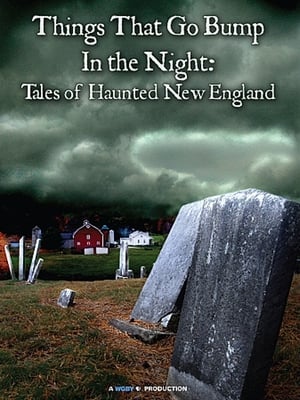
Things That Go Bump in the Night: Tales of Haunted New England takes you on a journey throughout historic New England collecting tales of the supernatural, the unexplained, and the mysterious — spooky stories of ghosts, spirits, witches... and even a vampire!