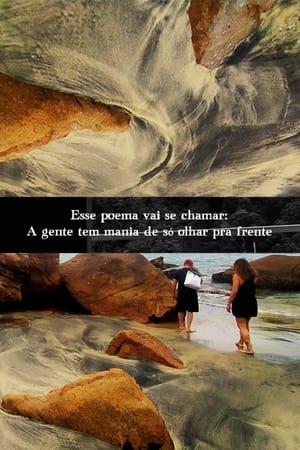
A love letter to Mar del Plata made of images, times and a road trip. "The Happy Ones" is an experimental short documentary composed of past and present family footage. It portrays a place in the summer, the city of Mar del Plata, with a span of 20 years between past and present images (January 2000 and 2020). Despite the time that passed by, it's beaches, essence and people remain, always willing to keep dancing.
Shot in his garage-studio, the camera records Ader painstakingly hoisting a large brick over his shoulder. His figure is harshly lit by two tangles of light bulbs. He drops the brick, crushing one strand of lights. He again lifts the brick, allowing tension to accrue. The climax inevitable—the brick falls and crushes the second set of lights. Here the film abruptly ends, all illumination extinguished.
In his most personal documentary yet, Chris Hemsworth turns the camera on his own family after his dad’s recent Alzheimer’s diagnosis. They embark on a road trip into their past, exploring the science of social connection and how it can support memory function. They revisit meaningful places and faces, capturing it all as a home movie, and reviving treasured recollections.
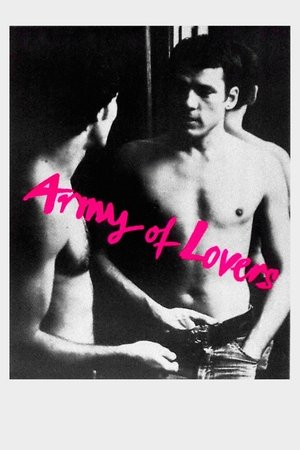
Personal diary-style documentary of German Gay rights activist Von Praunheim's sojourn in the US.
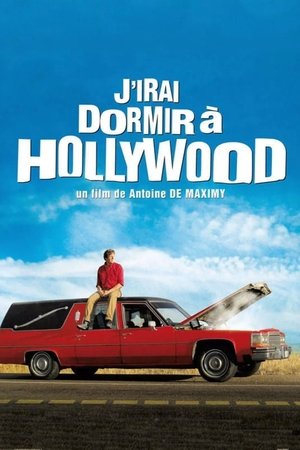
French TV host Antoine de Maximy travels the U.S. from coast to coast, relying on the hospitality of strangers and documenting his experiences with a hand-held camera.
A cultural portrait of the American dream at a critical time in the nation’s history. Set against the 2016 American election, The King takes a musical road trip across the country in Elvis Presley's 1963 Rolls Royce.
In Europe, road junctions have become public art galleries. A road trip across France, Switzerland, the Canary Islands, Greece and Germany exploring the glorious world of roundabout art.
Best friends travel though Latin America meeting shamans, experimenting with plant medicines, and wondering about what makes a life well-lived when one of them might have half the time to live it.
Published in 1949, The Second Sex became the bible of global feminism. An essential work that passionately advocates for gender equality, women's independence, and the liberation of morals. Today, how does this seminal work continue to resonate in our contemporary world? Conceived as an initiatory journey to the origins of Simone de Beauvoir's thinking, the film The Second Sex: In the Footsteps of Simone de Beauvoir takes us to the United States, to the places that inspired the philosopher and nourished her theories. An American road trip bringing together the worst and the best, predatory capitalism and mad love. A unique reinterpretation in the company of the great thinkers of our century.
David Markey's documentary of life on the road with Sonic Youth and Nirvana during their tour of Europe in late 1991. Also featuring live performances by Dinosaur Jr, Babes in Toyland, The Ramones and Gumball.
The hippie movement that captivated hundreds of thousands of young people in the West had a profound impact on the other side of the Iron Curtain. Within the Soviet system, a colorful crowd of artists, musicians, freaks, vagabonds and other long-haired drop-outs created their own system, which connected those who believed in peace, love, and freedom for their bodies and souls. More than 40 years later, a group of eccentric hippies from Estonia take a road trip to Moscow where the hippies still gather annually on the 1st of June for celebration that is related to the tragic event in 1971, when thousands of Soviet hippies were arrested by the KGB. The journey through time and dimensions goes deep into the psychedelic underground world in which these people strived for freedom.
In the year following the 9/11 terrorist attacks, young journalist Claude Baechtold finds himself in the war zone of Afghanistan. Not entirely voluntarily, the avowed anti-militarist is dragged by two fearless reporters on a round trip through the entire country.
America has questions about today's youth, what we care about, and where we're headed. We had those questions too. So, after graduating college, four of us loaded an RV and embarked on a journey looking for answers. We traveled to all of the lower 48 states, talking to our peers about growing up, 9/11, race, the Internet, careers, sex, love, and the American Dream. Along the way, we met a wide cross-section of young Americans, ranging from a cancer researcher in Boston to a drug dealer in New Mexico, from an Iraq veteran in Florida to the founder of Facebook in Silicon Valley. The film ultimately leads to the recent historic election, where our generation finally stands up to make its voice heard. OUR TIME is a passionate portrayal of a generation, a meditation on coming of age in 21st-century America, and a rallying cry against apathy.
When Will Ferrell's good friend Harper comes out as a trans woman, they take a road trip to bond and reintroduce Harper to the country as her true self.
No question seems more relevant in times like these than one: What is love? In the touching and captivating road trip documentary “What is Love?”, the film team embarks on a profound exploration, interviewing people from diverse backgrounds and cultures. They openly share their personal experiences, beliefs, and philosophies about love, revealing the extraordinary power and enigmatic nature of this universal human emotion. As the journey unfolds, viewers are taken on an introspective and unfiltered ride that ultimately challenges their own perceptions and understanding of what it truly means to love and to be loved.
Documentary looking at the culture of three motels and their owners who remain untouched by homogenization and corporatism, located in Santa Fe, New Mexico; Florence, Arizona; and the semi-ghost town of Death Valley Junction, California. Everyone has an unusual story to tell.
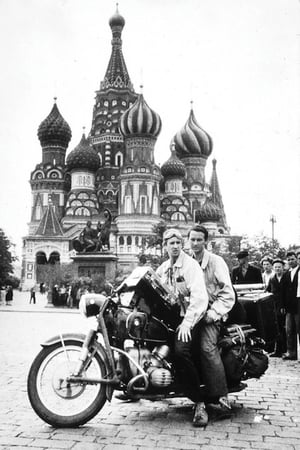
Albert Maysles' visual diary of the faces and places encountered along a cross country motorscooter ride through the Soviet Union in the late 1950s.
Experimental short-film made by brazilian students about the trópicalia and cinema novo movement. The narrative revolves around the song Géleia Geral from the album Tropicália ou Panis Et Circensis and also around the political, artistical and social time from that period.
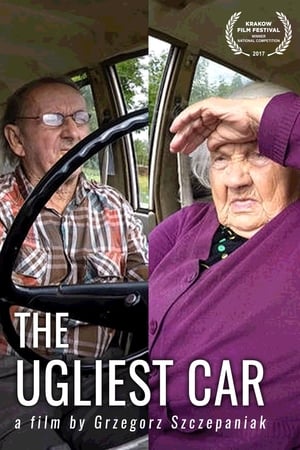
The youngest protagonist of the documentary is Wartburg, an automobile over 50 years of age. The car is still on the road, driven by Bogdan, a 70-year-old who is taking his mother to visit the German factory where she was forced to work during WWII. In this road movie which takes place between Majdanpek and Germany, the trip becomes a journey into the past, retracing memories from the war and revealing a unique relationship between an old son and his elderly mother.
Behind closed doors in a car, three friends from the small town of Sept-Îles discuss their desire to reconnect with the North Shore, the region where they grew up. As the hours lenghten on the road 138, the young women reflect on the quest for identity that accompanies the regional exodus and reveals a social landscape decentralized from the metropolises.