Every day, on the streets of Canada's cities, we pass them on our way to work or school. Bums, beggars, winos, bag people we call them. But who is the person at the end of that outstretched arm? What is life on the street really like? Is there a way off the street? For six years, director Daniel Cross followed the lives of three homeless men who spent much of their time in and around a Montreal subway station. Filmed in a cinema verité style, the film is unique: it humanizes the homeless, breaking down the barrier between us and them, neither moralizing nor offering easy answers. This is a gritty, compelling look at life on the streets that moves beyond the media stereotypes to show both the humanity of the homeless and the street-toughened aspects of their existence.
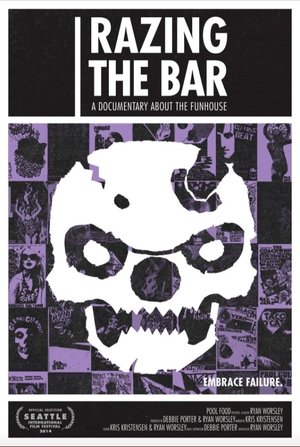
Razing the Bar documents the development and eventual demolition of a well-loved fringe punk rock Seattle venue through interviews of employees, friends, and a multitude of local musicians.
People experiencing homelessness, social work professionals, and film artists join forces to transform fragments of real life into fictional short films.
49 Up is the seventh film in a series of landmark documentaries that began 42 years ago when UK-based Granada's World in Action team, inspired by the Jesuit maxim "Give me the child until he is seven and I will give you the man," interviewed a diverse group of seven-year-old children from all over England, asking them about their lives and their dreams for the future. Michael Apted, a researcher for the original film, has returned to interview the "children" every seven years since, at ages 14, 21, 28, 35, 42 and now again at age 49.In this latest chapter, more life-changing decisions are revealed, more shocking announcements made and more of the original group take part than ever before, speaking out on a variety of subjects including love, marriage, career, class and prejudice.
The story of Pastor Lucy and her husband Duncan Ndegwa, who began feeding and sheltering children from the streets of Nairobi, Kenya in 1996.
An in-depth portrait of British composer, pianist and singer Elton John, pop star and myth of modern culture.
Documentary film about the therapy facility ‘Violetta Clean’, founded in Berlin in 1983, the first inpatient therapy facility in Germany for drug-addicted girls and women.
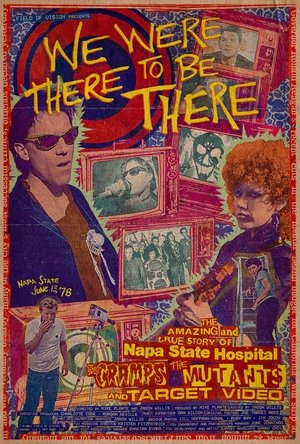
On June 13, 1978, the punk bands the Cramps and the Mutants played a free show for psychiatric patients at the Napa State Hospital in California. We Were There to Be There chronicles the people, politics, and cultural currents that led to the show and its live recording.
Shot over the course of 18 months in New York City's Lower East Side, METHADONIA sheds light on the inherent flaws of legal methadone treatments for heroin addiction by profiling eight addicts, in various stages of recovery and relapse, who attend the New York Center for Addiction Treatment Services (NYCATS).
Fora da Caridade Não Há Salvação
This documentary follows Pia, who is homeless. She is struggling with her drug addiction. During the day she (and many other homeless people) sells the newspaper Situation Sthlm.
It has been three years since Tom Alandh made the film "Det svåra livet" about homeless drug addict Pia. This film shows what has happened to her since.
Ten years after documentary filmmaker Tom Alandh started filming homeless drug addict Pia Sjögren, he makes his third and final film about her. Pia was 14 years old when she started smoking cannabis and using drugs. Then it all happened really fast. The heavier drugs, the men who beat, and years of cold nights in basements and attics. Treatment and punishment. Rehabs and prisons. Relapse. Constantly back, at the complete bottom, among shame and guilt. For ten years, Tom Alandh and photographer Björn Henriksson documented Pia's life. Two films were made, this is the third and last film, which shows how she managed to get clean against all odds.
With unprecedented access to the team, we go on a journey of redemption. Set against the backdrop of the rise of soccer in America, the film captures the beauty of the game as never before. But the heart of the movie is the examination of the people who come from all over the world to pursue a goal together. Each brings his own talents,but also his own indelible childhood experiences and family dynamics, which allows us to explore our own.
Two unhoused men turned community leaders— John and LaMonté —organize their neighbors in the face of displacement, addiction, and a failing social system.
The personal and social tragedy of drug addiction with its evil accompaniment, drug traffic. Over the side of the silent liner in the darkness slips the package of smuggled narcotics, introducing us to the complex problem which involves all races and classes of man. We see many aspects of addiction - the addict preparing an injection, a group waiting tensely for their dope peddler; agents preparing and adulterating the illegal product; the police catching a pusher red-handed. International and national authorities are working from two angles - suppression of the illicit traffic; and where possible, rehabilitation of the addict.
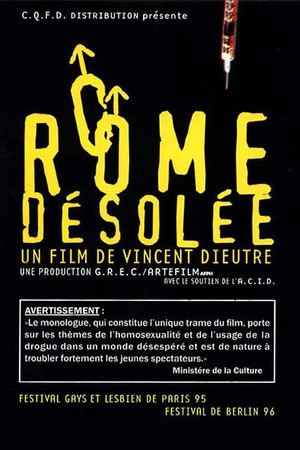
Chronicles of a male homosexual drug addict in 1980's in voice-over with long take scenes from Rome, television snippets of news of Gulf War and commercials.
Pasta
Three homeless teenagers brave Chicago winters, the pressures of high school, and life alone on the streets to build a brighter future.
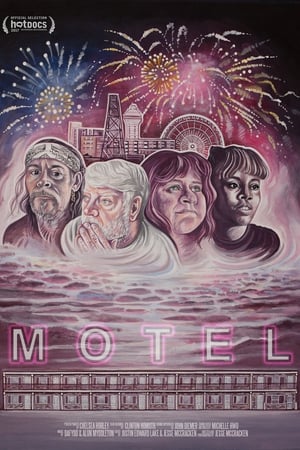
As Niagara Falls transformed from honeymoon capital of the world to Las Vegas North, corporate hotel chains and casinos cast a long shadow over the independent motels that once populated the town. The Continental survived the transition by converting its rooms into affordable housing units, becoming a home for those with few places to go. The night manager, Brian, once a freelance photographer who survived the horrors of war in Vietnam, shares his duties with his colleague Linda. Together they manage both the Continental and the individual struggles of its tenants, providing more than a roof over the heads of those who live under their supervision. Bringing a fresh focus to one of the most photographed places on Earth, director and cinematographer Jesse McCracken develops an intimate and caring portrait of the residents of this modest micro-community set against the backdrop of neon-lit tourist attractions.