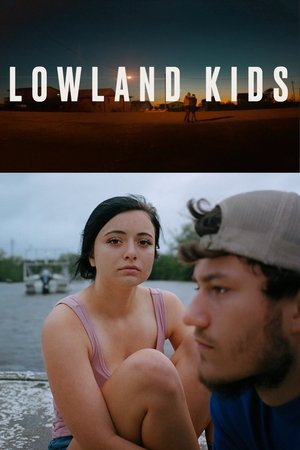
The film "Hurricane on the Bayou" is about the wetlands of Louisiana before and after Hurricane Katrina.
Guillermo Gómez Álvarez explores the identity politics of Puerto Rico via archival footage from various sources that clash with nine original songs from local independent musicians and a thematic analysis from a psychoanalyst and a historian. From the juxtaposition the absurd becomes coherent and the coherent becomes absurd as Puerto Rican identity is defined and rejected almost simultaneously.
“El apagón: Aquí vive gente” is a 23-minute film that explores the socio-economic challenges in Puerto Rico, focusing on the effects of power outages and gentrification driven by the real estate and energy sectors. Through visuals and personal stories, the documentary highlights the experiences of Puerto Rican communities facing these issues.
Peggy Robles-Alvarado is a Jerome Hill Foundation Fellow in Literature, a Latinx Playwrights Circle Fellow, and a three-time International Latino Book Award winner who authored Conversations With My Skin, and Homage To The Warrior Women. In this film by New York-based filmmaker Matt Haller, she recounts the grief and pain of losing her father, interwoven with her Puerto Rican heritage.
A look at the state of the global environment including visionary and practical solutions for restoring the planet's ecosystems. Featuring ongoing dialogues of experts from all over the world, including former Soviet Prime Minister Mikhail Gorbachev, renowned scientist Stephen Hawking, former head of the CIA R. James Woolse
This video presents a look at the forces of nature in their most devastating mode: lightning storms, tornadoes, flash floods, tidal waves, and hurricanes. The film, made for The Discovery Channel, accompanies professional storm chasers as they ride into the eye of a category five hurricane to gather data and get a close-up view. There is footage of a tornado with 300-mile-per-hour winds, as well as 100-foot tidal waves hurtling towards shore at 500 miles per hour. The viewer witnesses a flash flood and hears an interview with a lightning strike survivor.
This film tries to blow the whistle on what it calls the biggest swindle in modern history: 'Man Made Global Warming'. Watch this film and make up your own mind.
Two tons of snow—flown from New Hampshire to Puerto Rico in 1952 in order to “gift” Puerto Ricans a “white Christmas”—become a metaphor for the colonialist paternalism of America’s relationship to Puerto Rico.
Track monsoons, hurricanes, blizzards, and tornadoes. Take a journey around the planet to experience our most extreme storms and to witness the dramatic--and often perilous--efforts of scientists in the pursuit of understanding weather.Join meteorologists in the cockpit of a P-3 weather plane as they penetrate the eye of a hurricane; and in the tense, decisive moments on the road as they focus their radar on an approaching tornado, traveling to the heart of severe storms to learn what makes weather systems tick. Experience the bumpy ride into the sudden and spectacular calm of a hurricane’s eye, or the commando-like raid to the very brink of a killer tornado, and experience one of the elemental joys of doing science: that of confronting nature head-on to divine its awesome secrets.
Experts say over the next hundred years the "perfect storm" of population growth, resource depletion and climate change could converge with catastrophic results. The scenarios in Earth 2100 are not a prediction of what will happen but rather a warning about what might happen.
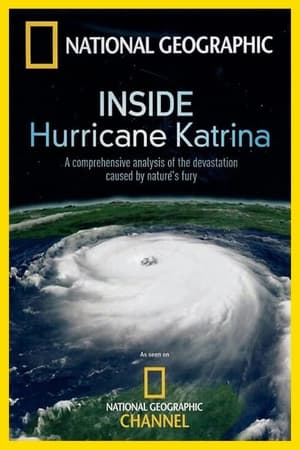
"Trouble the Water" takes you inside Hurricane Katrina in a way never before seen on screen. The film opens the day before the storm makes landfall--just blocks away from the French Quarter but far from the New Orleans that most tourists knew. Kimberly Rivers Roberts, an aspiring rap artist, is turning her new video camera on herself and her Ninth Ward neighbors trapped in the city. Weaving an insider's view of Katrina with a mix of verité and in-your-face filmmaking, it is a redemptive tale of self-described street hustlers who become heroes--two unforgettable people who survive the storm and then seize a chance for a new beginning.
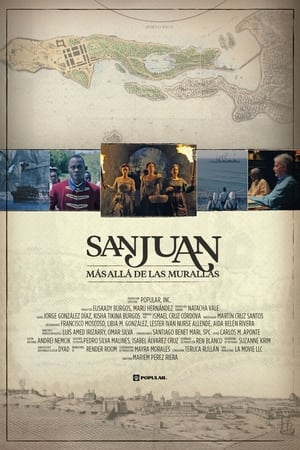
Explore the Forts of Old San Juan, Puerto Rico, including San Juan National Historic Site. Discover the uncommonly beautiful shores of San Juan and see spanish military architecture at its finest, including Forts San Cristóbal, San Felipe del Morro and San Juan de la Cruz, as well as the walls of Old San Juan. These are the largest and oldest Spanish fortifications in the New World.
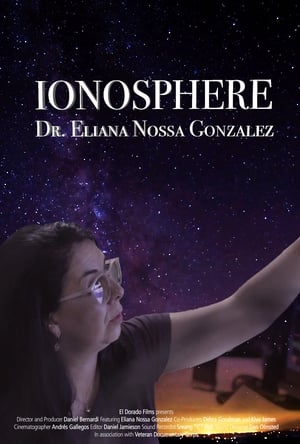
At Arecibo Observatory in Puerto Rico, Eliana Nossa studies the ionosphere. This short films tells the story of Columbian researcher Eliana Nossa as she explains her study of the ever-changing universe, Arecibo's technology and data, and her role as a woman among her male colleagues. She studies the ionospheric irregularities that impact terrestrial communication.
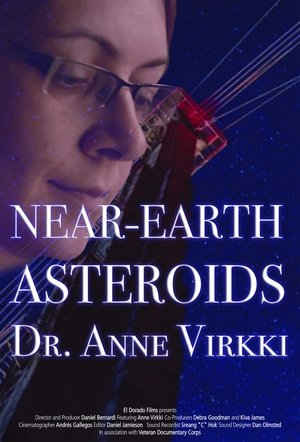
At Arecibo Observatory in Puerto Rico, “Near Earth Asteroids: Dr. Anne Virkki” tells the story of Research Scientist Anne Virkki and her ongoing studies on asteroids and their threat to humanity. Originally from Finland, Anne Virkki shares her experience in education as well as her studies on asteroids, including her work hunting and tracking asteroids headed for Earth.
David Attenborough tells the revealing story of this Caribbean island's exotic but vulnerable wildlife. A team of conservation champions are making it their mission to save the most precious species. We see how Puerto Rican parrots, manatees and turtles are now making a comeback.
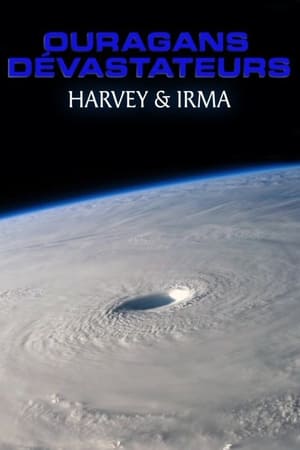
On the heels of two of the most devastating hurricanes in recent memory, Science Channel takes an in-depth look at the reasons why these massive storms continue to get bigger and stronger. Featuring interviews with leading meteorologists, scientists, and engineers, who examine the basic science of hurricanes.
Rhesus Monkeys of Santiago Island, Puerto Rico" (1966) is an in-depth documentary that explores the establishment and subsequent study of a rhesus monkey colony on Cayo Santiago, a small island located off the southeastern coast of Puerto Rico. This colony, established by the National Institutes of Health (NIH), serves as a significant site for research into the social behavior and population ecology of rhesus monkeys (Macaca mulatta).
PsiQuis: Un Giro Decolonial is a documentary that presents and discusses the psychological impact that colonialism has had on the Puerto Rican people. The director analyzes the traumas generated in Puerto Rican society by that colonial experience.
Puerto Rico, the last relic of colonization in the western hemisphere, has been a dependent territory of the USA since 1917. Los Macheteros and one of its leaders Juan Segarra have been fighting for its full independence for many decades.
Documentary on the mass sterilization of Puerto Rican women during the 1950s and '60s.