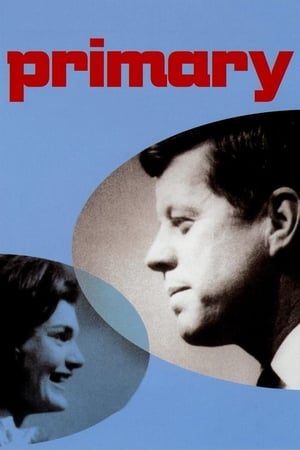
Primary is a documentary film about the primary elections between John F. Kennedy and Hubert Humphrey in 1960. Primary is the first documentary to use light equipment in order to follow their subjects in a more intimate filmmaking style. This unconventional way of filming created a new look for documentary films where the camera’s lens was right in the middle of what ever drama was occurring. Preserved by the Academy Film Archive in partnership with The Film Foundation in 1998.
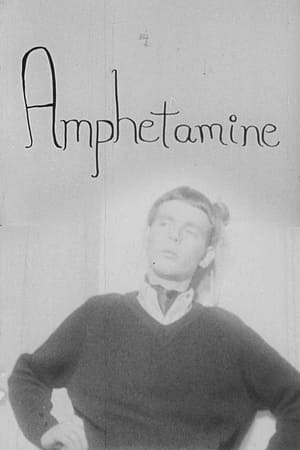
An ode to queer sex and drugs, boys shooting up and kissing. Preserved by the Academy Film Archive in 1998.
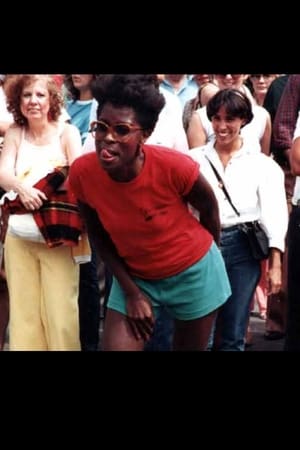
A documentary about four African-American comediennes set in 1984. Restored in 2021 by the Academy Film Archive.
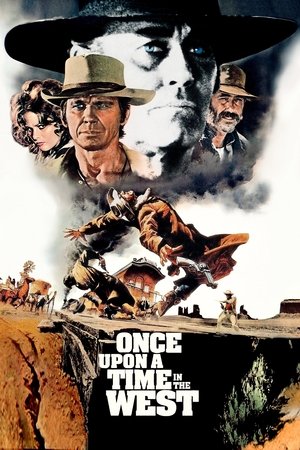
As the railroad builders advance unstoppably through the Arizona desert on their way to the sea, Jill arrives in the small town of Flagstone with the intention of starting a new life.
Documentary short about the government census of unemployed but employable workers. Preserved by the Academy Film Archive, Academy War Film Collection, in 2009.
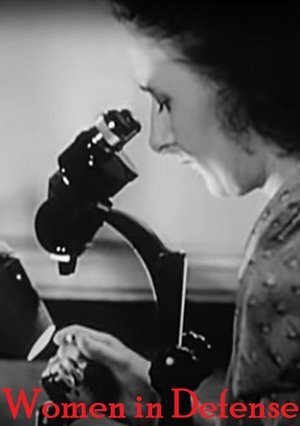
Short documentary extolling the virtues and necessity for women to participate in America's preparation for war, showing women working in scientific, industrial, and voluntary-services activities. Preserved by the Academy Film Archive in 2008.
I have been many times very ill in hospitals; and I drew on all that experience while making DEUX EX.
Documentary short explaining proper techniques for handling and disposal of incendiary bombs. Preserved by the Academy Film Archive, from the Academy War Film Collection, in 2009.
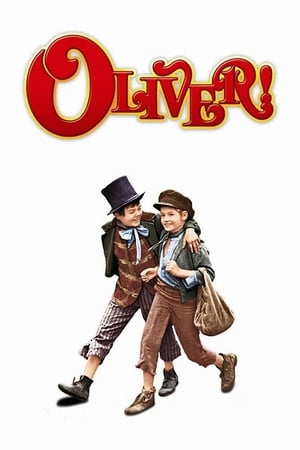
Musical adaptation of Charles Dickens' Oliver Twist, a classic tale of an orphan who runs away from the workhouse and joins up with a group of boys headed by the Artful Dodger and trained to be pickpockets by master thief Fagin.
Study of posters and graffiti on the walls of Paris, using ellipses, brief shots and quick camera movements. Preserved by the Academy Film Archive in partnership with iotaCenter and National Film Preservation Foundation in 2000.
UCLA Student Color Film. "a documentary film of marked lyrical and experimental tendency which was photographed and recorded in a L.A. supermarket. It consists of five sequences: 1) description of people 2) Comedy 3) choreographing natural movements 4) transformation fo visual reality 5) empathy". Preserved by the Academy Film Archive in 2011. Filmed at Shopper's Market, Santa Monica, CA.
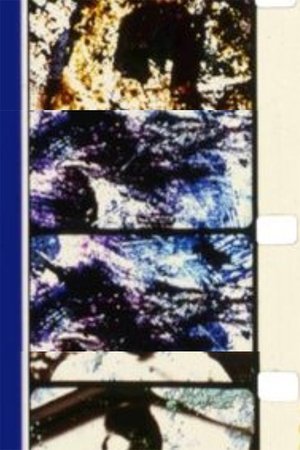
The hand-painting of this film is interrupted by, and interspersed with, a geometrically structured Mask of Death (one of those frightening human idea-shapes of dying) immediately caught-up in threads of streaming, polarized crystals of Light (elaborately step-printed, with simultaneous frame-to-frame dissolves and printer "pull-backs" creating an effect as if the room in which the film is being viewed was inhaling viscous strands of Life's chemical material). The blurred photo-image of a person appears briefly superimposed on these "streamings": then there is a short visual "exhale" of this "crystallized" light, as the screen appears to re-absorb its imagery and resolve itself into a pale violet scattering of dust, is it? ... a nebulae, perhaps – i. e., some semblance both earthly and cosmic and (as such) as enigmatic as "the face of God." Collaboration with Sam Bush.
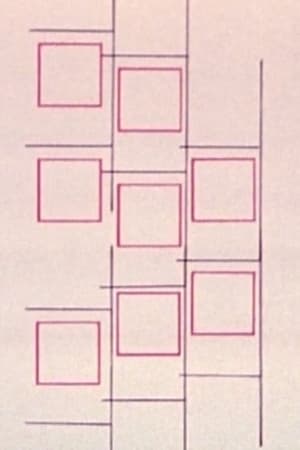
Begins as a whimsical piece with 'sheets' of lines running down the screen, progressing into more and more complex geometic patterns but without deviating from the basic precepts of 'dot and line' animation. Jazz piano on a lazy Sunday afternoon, and a spring color palette. -- Stephanie Sapienza. Preserved by the Academy Film Archive in 2001.
Gore's second solo film, DREAM OF THE SPHINX is highly representative of his fluid, expressive line work and characteristic traversals through space. Preserved by the Academy Film Archive in partnership with CalArts and iotaCenter in 2009.
A collaborative piece by Gore and Beckett, the film begins with one of Gore's characters composing a letter, to eventual mail it. Beckett's animation takes over at this point, transforming the envelope into a looping, cascading form that seems to be perpetually turning itself inside out. A brief Gore finale bookends the piece, which is one of only two extant examples of Gore's unique animation work. This film is usually appended to Gore's own Dream of the Sphinx. [Source: Mark Toscano] Preserved by the Academy Film Archive in partnership with CalArts in 2009.
Pure color forms glide across the screen to the music of a vamp in this abstract exercise produced by the world-famous creative photographer. Preserved by the Academy Film Archive in 2015.
An animated film drawn in india ink directly on 65 mm film. It was reduced optically to 35mm film with colour added. The story of the film concerns a rivalry between two simple stick figures characters for the championship in a unicycle race. Preserved by the Academy Film Archive in 2011.
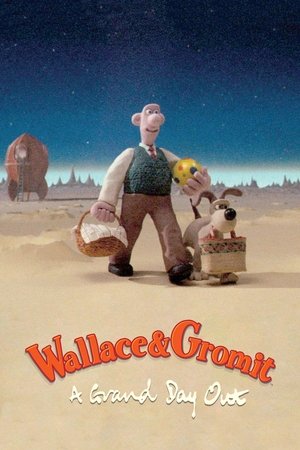
Wallace and Gromit have run out of cheese, and this provides an excellent excuse for the duo to take their holiday to the moon, where, as everyone knows, there is ample cheese.
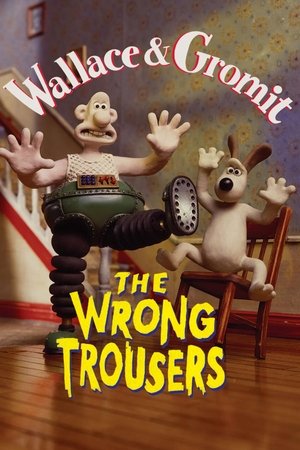
Wallace rents out Gromit's former bedroom to a penguin, who takes up an interest in the techno trousers created by Wallace. However, Gromit later learns that the penguin is a wanted criminal.
Wallace's whirlwind romance with the proprietor of the local wool shop puts his head in a spin, and Gromit is framed for sheep-rustling in a fiendish criminal plot.