As clichés go, in 1999 the World as we knew it was about to change - and we'd been expecting it. Since childhood we'd been promised that the 21st century would bring us dramatic new technologies like flying cars and Utopian cities. Instead it bought us the smart-phone, social media, and virtual societies. And as it turns out these technologies began to transform society almost as dramatically as the moon colonies we'd been expecting. Now over a decade into the revolution, 'DSKNECTD' explores how digital communication technology is profoundly changing the way we interact and experience each other - for the good and for the bad.
On June 11th, 1997, Philippe Kahn created the first camera phone solution to share pictures instantly on public networks. The impetus for this invention was the birth of Kahn's daughter, when he jerry-rigged a mobile phone with a digital camera and sent photos in real time. In 2016 Time Magazine included Kahn's first camera phone photo in their list of the 100 most influential photos of all time.
Lurking under the sea is a global web of fibre optic telecommunication cables, the plumbing of the internet. It's how we talk, text and stream, connecting billions of people. These cables are also the frontline of a tech war.
In a few years, technology will merge with our bodies in ways that today seem unimaginable, and will redefine the limits of what is a human being. There are already people who, driven by the desire to experiment, have crossed the biological limits by introducing electronic devices that provide them with capabilities that go beyond what is "normal." They are the first hybrids, and they face the reaction of society, which goes from malignancy to enthusiasm. Today they are only a small minority, and many people consider them as disrupted experimenters, but in the near future we may recognize them as pioneers.
William Shatner presents a light-hearted look at how the "Star Trek" TV series have influenced and inspired today's technologies, including: cell phones, medical imaging, computers and software, SETI, MP3 players and iPods, virtual reality, and spaceship propulsion.
Focusing on the vulnerability of digital data, Digital Amnesia ponders the sustainability of modern artifacts that have no material state. Notable archivists share their perspectives on the Digital Age and whether it poses great promise or threat to the longevity of digital information and our collective memory.
Familiar radio voice Ben Grauer leads the viewer on a behind the scenes tour of the National Broadcasting Company studios -- both radio and television -- in Rockefeller Center and Hollywood. The original 25-minute film previewed by network execs and affiliates in the fall of 1948 was cut down to 20 minutes before its first broadcast, reportedly to excise high-profile stars and programs such as Amos 'n' Andy, Jack Benny, and Edgar Bergen that had since left NBC for other networks.
Edward de Bono literally sketches out the future in a 90 minute lecture filmed in Copenhagen. He explains 2040 as seen by someone frozen cryogenically in 1997.
NOTHING TO HIDE is an independent documentary dealing with surveillance and its acceptance by the general public through the "I have nothing to hide" argument. The documentary was produced and directed by a pair of Berlin-based journalists, Mihaela Gladovic and Marc Meillassoux. It was crowdfunded by over 400 backers. NOTHING TO HIDE questions the growing, puzzling and passive public acceptance of massive corporate and governmental incursions into individual and group privacy and rights. After the emotion initially triggered by the Snowden revelations, it seems that the general public has finally accepted to live in a monitored digital world.
Once upon a time there was a large Finnish company called Nokia that manufactured the world’s best and most innovative mobile phones. Nokia’s annual budget was larger than that of the Government of Finland and their phones spread everywhere and changed the whole culture of communication. But then something changed. Film portrays the rise and fall of Nokia and the Finnish mobile phone industry. Nokia engineers, designers and managers tell their story about the creation, success and downfall of the Finnish mobile phone.
A new, original documentary from Connecticut Public, Fake: Searching for Truth in the Age of Misinformation, takes on this topic, just in time for the 2020 election season. Viewers will learn how and why misinformation spreads, and how to be a smarter information consumer in our increasingly digital world.
Les Trains de tous les records
A musical documentary and tribute to Hugh Le Caine. The story of early electronic instruments, and the nearly forgotten Canadian music pioneer who created the first synthesizers. As told through interviews with three modern-day modular synth musicians.
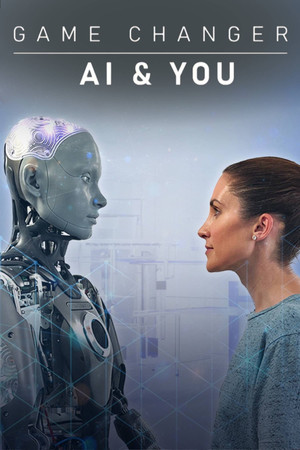
Advances in artificial intelligence are accelerating at a breakneck pace. A journalist connects these innovations to the changes they bring to our daily lives. A documentary that makes it easy to understand these technological upheavals.
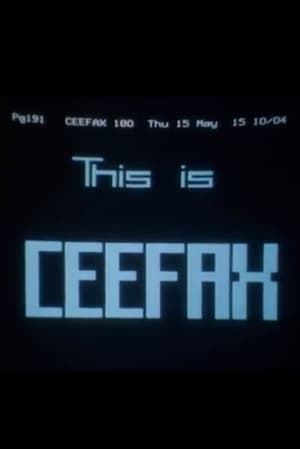
A look-behind-the-scenes at a television development that could be in everyone's home in just a few years' time. Reporter Angela Rippon tells the story of CEEFAX - the BBC's latest form of broadcasting. She visits Kingswood Warren where BBC Research Department 'boffins' developed it; and looks at some of its uses: News, weather, travel, sports results, farm prices and business information.
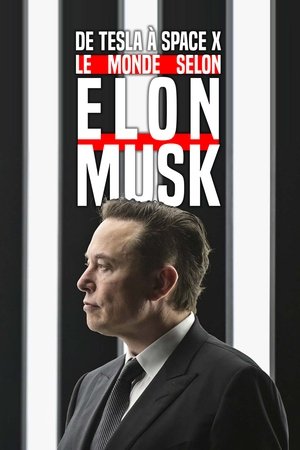
In just a few years, Elon Musk has become one of the most influential and wealthy men on the planet. Although the Tesla brand has revolutionized the image of the electric car, Elon Musk remains a great innovator in the business world. For him, there are no limits: satellites, houses, urban tunnels... But what attracts Elon Musk the most is space, which remains his favorite playground. Recently, he developed reusable rockets that have transformed space travel.
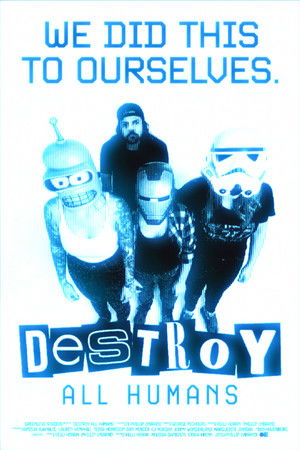
Destroy All Humans is a documentary exploring AI’s rise in art and media through an existential, experimental lens. At its center is HOVERBORG, a fictional band whose AI-generated music sparked questions about creativity and authenticity. Through interviews with musicians, artists, and media professionals, the film reflects on the unsettling shift toward hyperpersonalized media and asks: In a world shaped by algorithms, will we still recognize ourselves in the art we consume?
Takes us to locations all around the US and shows us the heavy toll that modern technology is having on humans and the earth. The visual tone poem contains neither dialogue nor a vocalized narration: its tone is set by the juxtaposition of images and the exceptional music by Philip Glass.
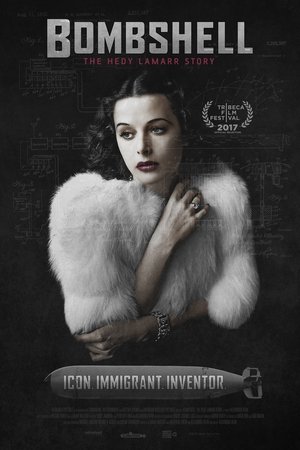
The life and career of the hailed Hollywood movie star and underappreciated genius inventor, Hedy Lamarr.
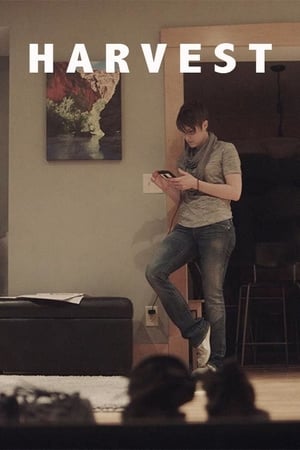
Jenni has an ordinary life of simple patterns revolving around family and work. Her daily routine is seemingly unremarkable yet is of great interest to someone she doesn’t know—but who knows everything about her. Harvest is a thrilling and inventive depiction of the hidden value in mundane routines.